On this page
What fireplace repair covers
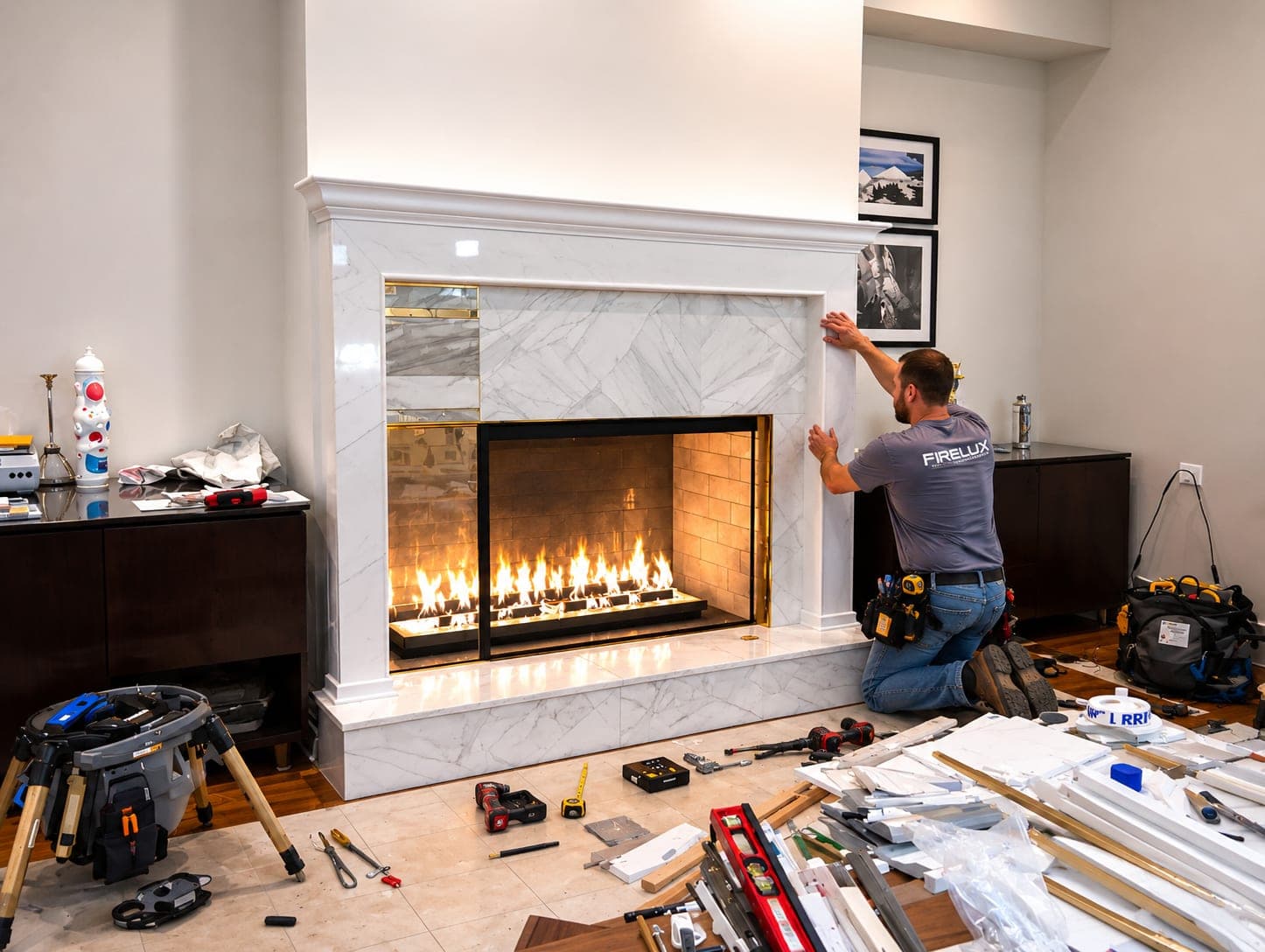
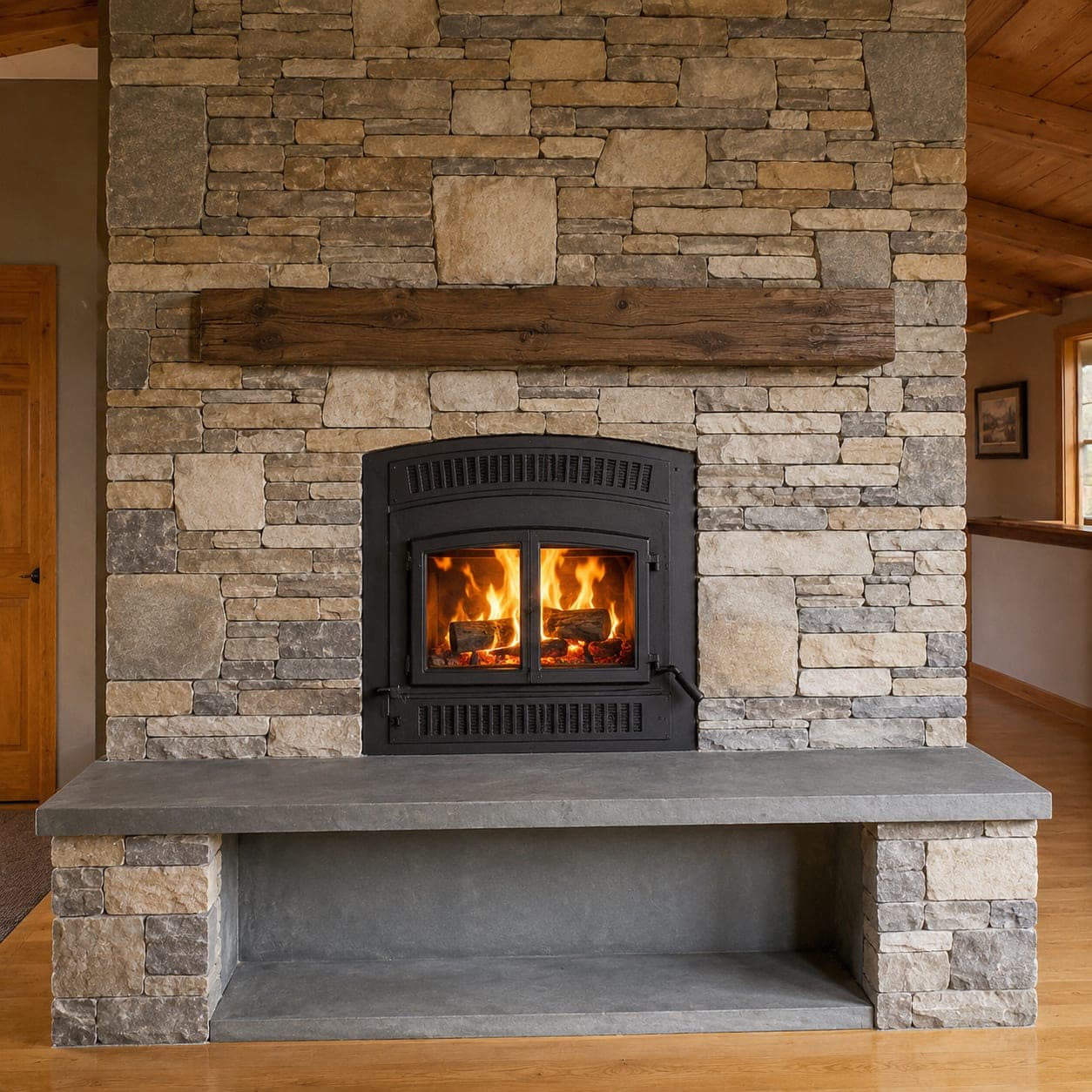
Fireplace repair fixes the fireplace itself rather than the chimney above it. That includes the firebox where the fire burns, the firebrick or refractory panels that line it, the mortar joints, the damper, the smoke chamber that funnels smoke into the flue, the hearth and face, and the doors and glass. On gas units it also covers the burner, logs, valve and ignition parts.
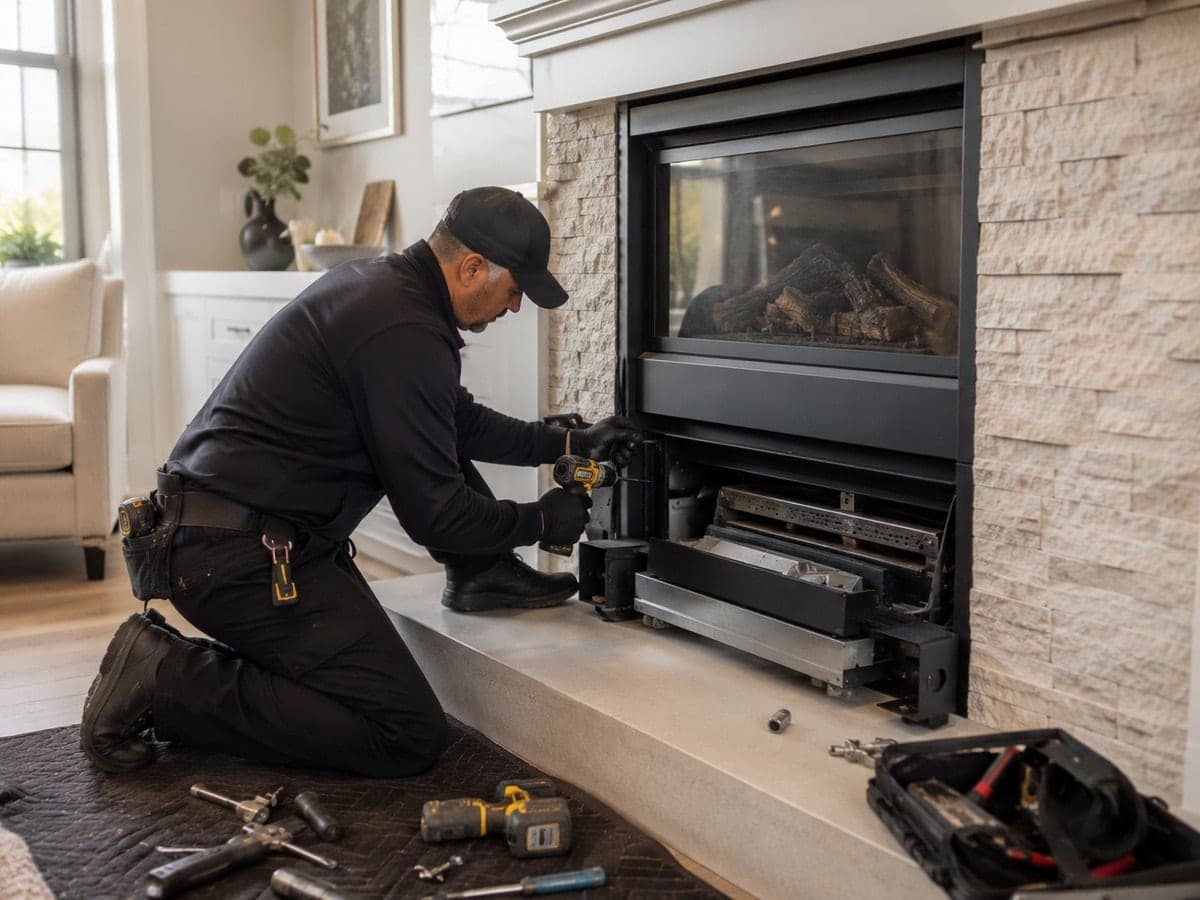
Problems in one part often affect another. A damper that sticks can push smoke and heat where they shouldn't go, and eroded mortar in the firebox lets heat reach the masonry behind it. A repair visit looks at how the whole fireplace is working, not just the part you noticed.
Signs a fireplace needs repair
Common reasons homeowners call
- Cracked, spalling or loose firebrick inside the firebox
- Mortar joints that are crumbling, hollow or missing
- Smoke spilling into the room instead of going up the flue
- A damper that is stuck, rusted or won't close tightly
- Cracked or crumbling refractory panels in a prefab fireplace
- Cracked glass, or doors that won't open, close or seal
- Cracks in the hearth or the brick face around the opening
- A gas fireplace that won't light, or a pilot that keeps going out
A smoky fireplace is one of the most common complaints, and the cause is usually how air moves through the fireplace and flue rather than the firebox itself. When that's the problem, repairing a fireplace that won't draft addresses the damper, smoke chamber or flue conditions behind it.
Brick fireplace repair
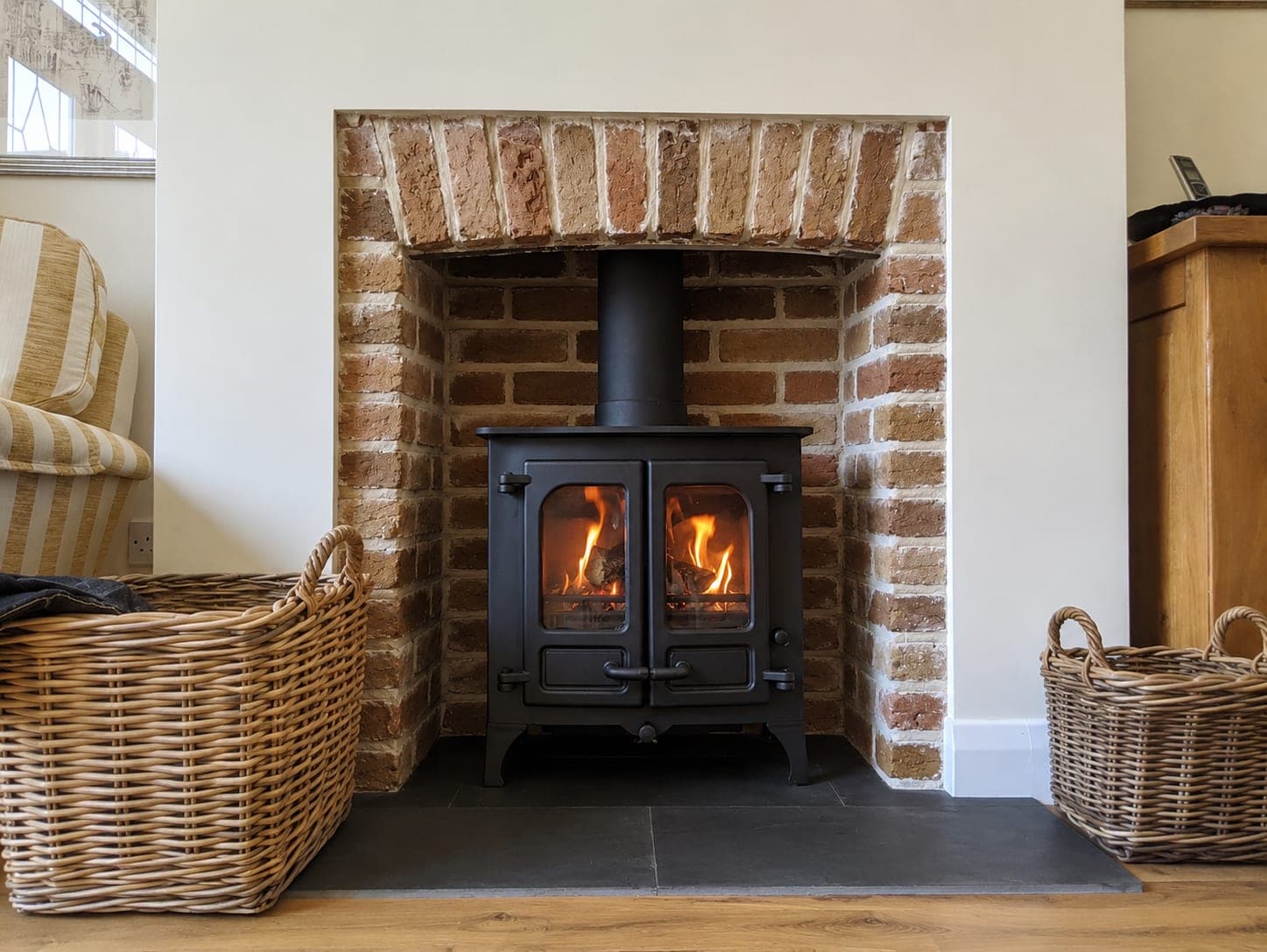
Brick fireplaces wear out from repeated heating and cooling. Over time firebrick cracks or flakes, and the mortar between bricks erodes until joints open up. Once gaps form, heat and hot gases can reach the masonry and framing behind the firebox.
Brick fireplace repair usually means removing failed mortar and repointing the joints with heat-rated refractory mortar, replacing cracked or crumbling firebrick, and repairing cracks in the hearth or face brick. Ordinary mortar and standard brick aren't made for direct fire, so the materials used inside the firebox matter as much as the workmanship.
How a repair visit works
From your call to a working fireplace
Tell us what you're seeing
Smoke in the room, cracked brick, a stuck damper or a gas unit that won't light: the symptoms help us plan the visit.
Inspect the fireplace
The technician checks the firebox, mortar, damper, smoke chamber, doors and glass, and on gas units the burner and ignition parts. A camera inspection can be used where damage isn't visible from below.
Explain the problem and give a free estimate
You hear what's wrong, what it affects and what the repair involves before any work begins.
Make the repair
Damaged brick, mortar, panels, damper parts, glass or gas components are repaired or replaced with materials suited to the fireplace.
Check that it works
The damper, doors and draft are checked, and gas units are tested to confirm they light and run properly.
Wood, gas and electric fireplaces
| Feature | Wood-burning | Gas |
|---|---|---|
| Firebox | Firebrick and refractory mortar | Refractory panels or liner |
| Common failures | Cracked brick, open joints, stuck damper | Ignition, pilot, burner or valve problems |
| Smoke or odor | Often a draft or damper problem | Often a burner, log placement or venting issue |
| Doors and glass | Glass doors that crack or won't seal | Sealed glass fronts that crack or fog |
Firebox
- Wood-burning
- Firebrick and refractory mortar
- Gas
- Refractory panels or liner
Common failures
- Wood-burning
- Cracked brick, open joints, stuck damper
- Gas
- Ignition, pilot, burner or valve problems
Smoke or odor
- Wood-burning
- Often a draft or damper problem
- Gas
- Often a burner, log placement or venting issue
Doors and glass
- Wood-burning
- Glass doors that crack or won't seal
- Gas
- Sealed glass fronts that crack or fog
Gas fireplace and gas appliance work is offered alongside wood-burning repair. Electric units are a different kind of repair, covered by our electric fireplace repair service. If you're weighing whether to keep repairing a wood fireplace or switch fuels, comparing gas and wood-burning fireplaces lays out the trade-offs.
Safety and upkeep
When to stop using the fireplace
If you see open mortar joints, missing firebrick or cracks through the firebox, don't light a fire until it's repaired. If you smell gas near a gas fireplace, don't try to light it; leave the house and contact your gas utility or emergency services.
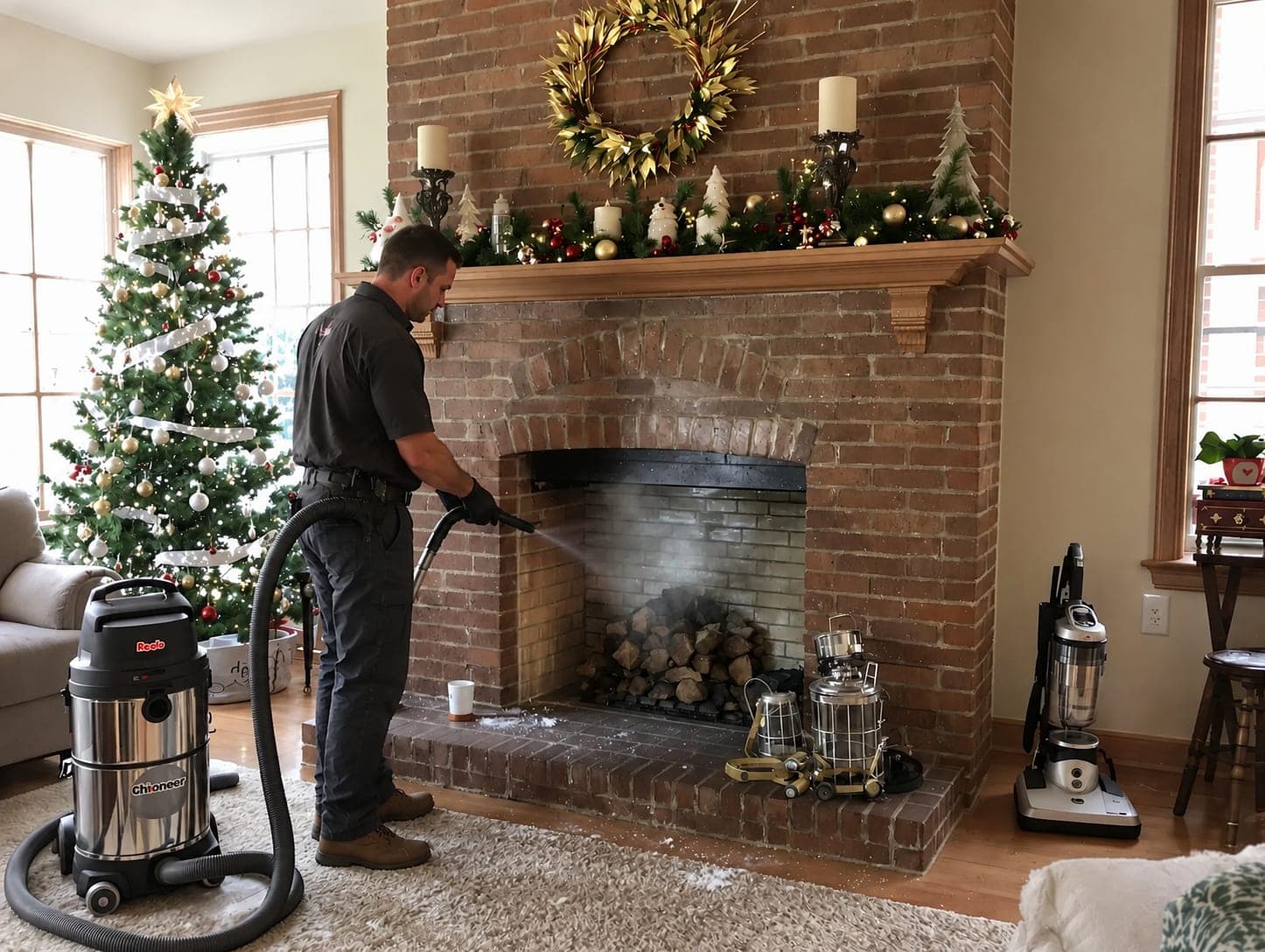
Soot and buildup can hide cracks and worn mortar, and they make a fireplace work harder than it should. Regular fireplace cleaning keeps the firebox clear and makes early damage easier to spot.
Emergency fireplace repair
Emergency calls are accepted, with 24-hour service Sunday–Friday.
Booking a fireplace repair
We work on all major fireplace brands, and commercial and property-manager work is offered as well as homes. Call or request an estimate, and describe what you're noticing so the visit can be planned around it.
Related work covered on this page
- Fireplace Restoration