On this page
- What a fireplace conversion involves
- Signs a fireplace conversion makes sense
- Problems that come up when converting a wood-burning fireplace
- Fuel types and components
- What the visit involves, step by step
- Don't light your fireplace if you notice these
- Keeping the chimney in good shape after a conversion
- Booking a fireplace conversion
What a fireplace conversion involves
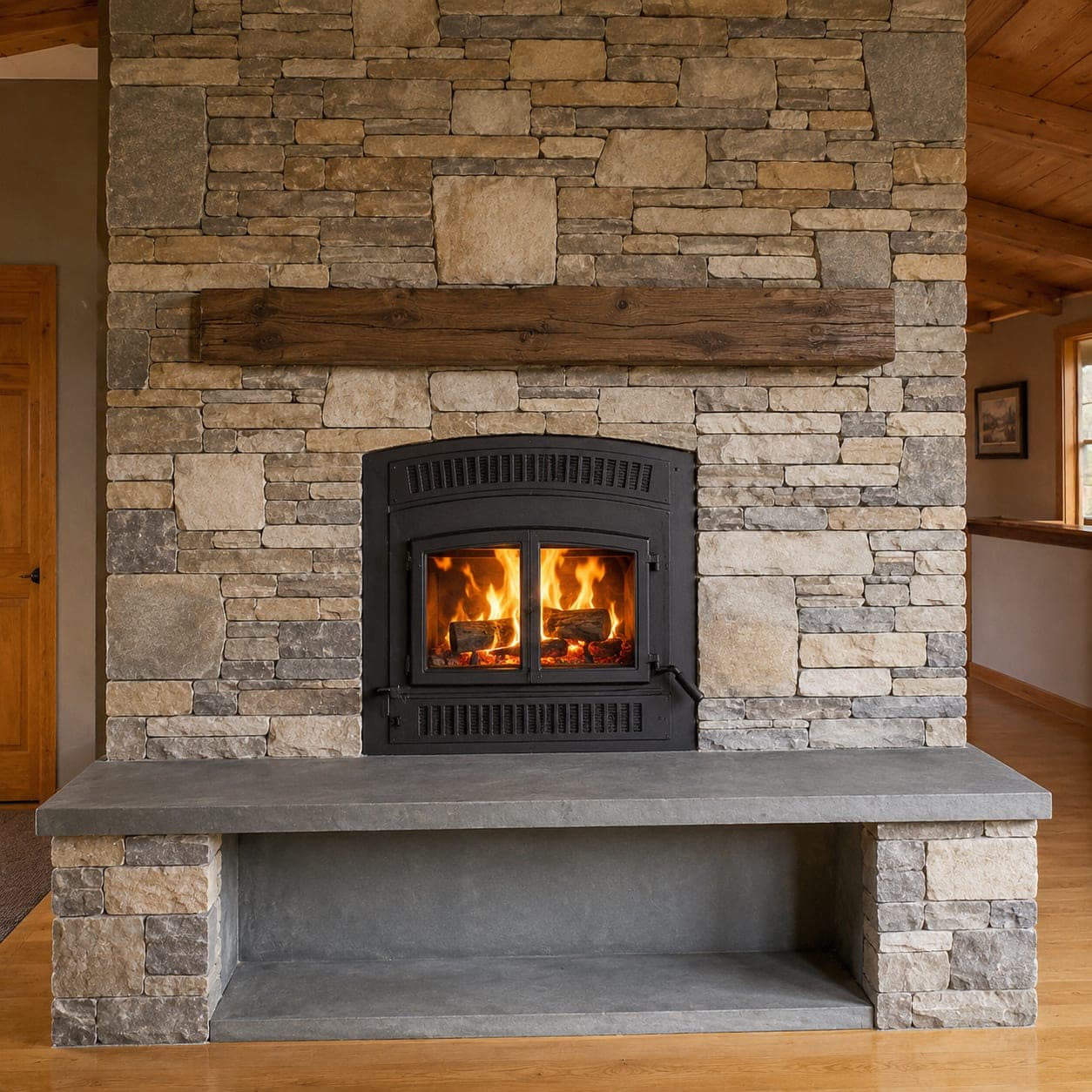
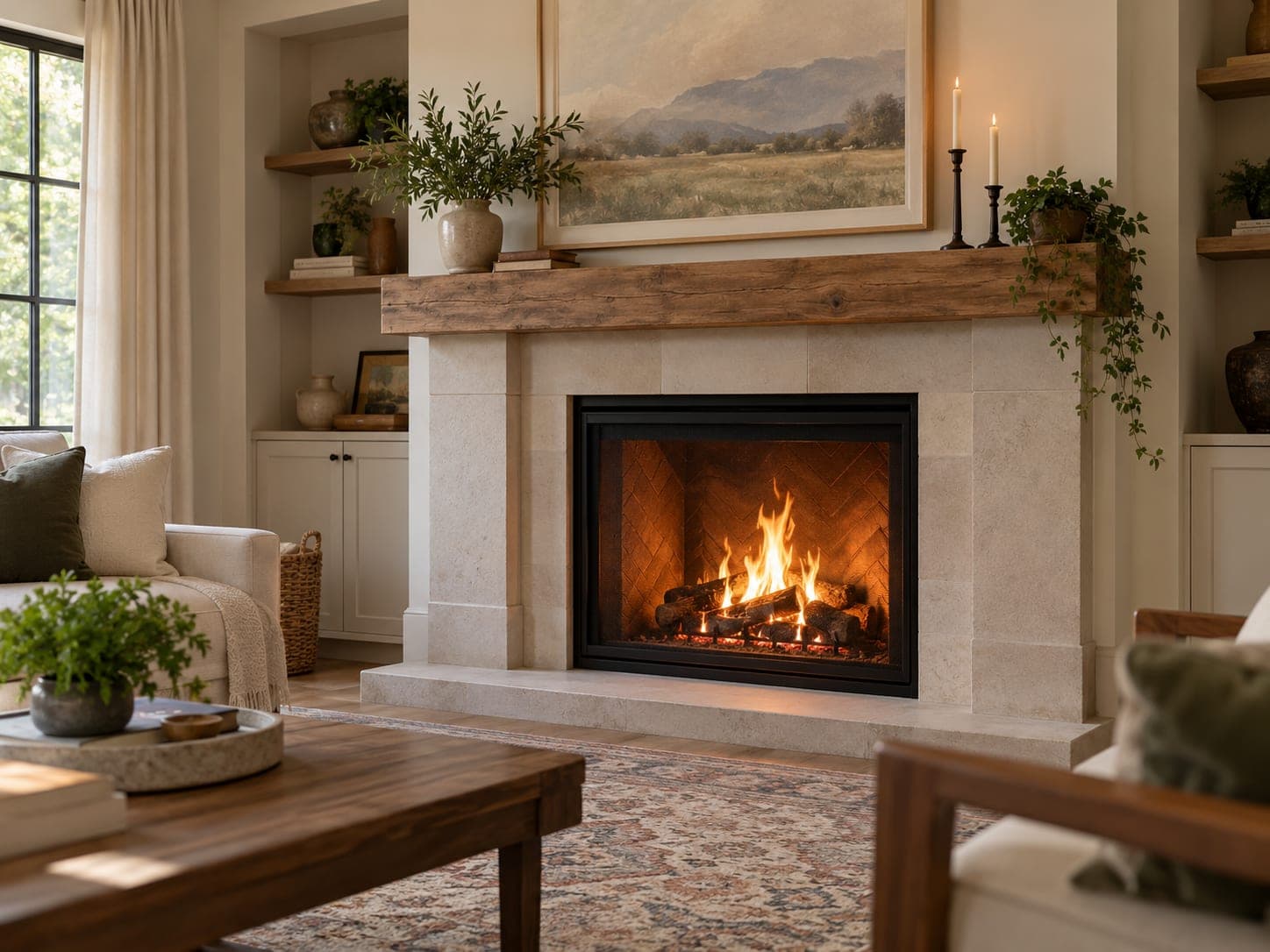
A fireplace conversion changes the fuel an existing fireplace uses. Most often a wood-burning log fireplace becomes a gas fireplace, either with gas logs set in the original firebox or with a sealed gas insert that slides into the opening. Some homeowners choose an electric insert instead, which needs an outlet rather than a gas line or a working flue.
The conversion is more than setting in new logs. The firebox, damper, flue and chimney all have to suit the new appliance. A gas insert usually needs a liner run up the chimney. Gas logs need a gas supply to the hearth. Every option starts with a fireplace that is clean and sound. If you're still deciding between fuels, our guide to gas vs wood burning fireplace sets out the tradeoffs before you commit.
Signs a fireplace conversion makes sense
- You rarely light the fireplace because of the wood, the mess or the cleanup afterward.
- The room fills with smoke when you light a fire, and you'd rather have a sealed unit than keep fighting it.
- You want heat or flame at the flip of a switch or the press of a remote.
- The open firebox sends most of its warmth up the chimney, and you want a fireplace that heats the room.
- Someone in the home is bothered by wood smoke or ash.
- You're updating the room and want the fireplace to match how you live now.
A smoky fireplace doesn't always need a new fuel. A tight flue, a cold chimney or a closed-up house can all cause it, and how fireplace draft repair works may be the better place to start if you'd like to keep burning wood.
Problems that come up when converting a wood-burning fireplace
Most trouble with a wood-burning fireplace conversion comes from what was already wrong with the old fireplace. A new gas or electric unit doesn't hide these problems. They have to be found and fixed first.
What we check before converting
- Creosote and soot in the flue and smoke chamber, which have to be cleaned out before a liner or insert goes in.
- A fireplace damper stuck open or shut, or one that has rusted. Vented gas logs need the damper held open, so it has to work or be secured properly.
- Cracked firebox brick or panels that would sit behind or around the new unit.
- Draft problems. Vented gas logs still rely on the chimney drawing well, so a smoky fireplace can stay smoky after the switch.
- Flue size and condition, which decide whether an insert needs a new liner.
- Gas supply. The hearth may have no gas line, or a line that isn't sized for the appliance.
Before conversion work starts, a thorough fireplace cleaning service clears out years of ash and buildup. That way the inspection shows what's really there, and the new unit starts in a clean space.
Fuel types and components
| Feature | Gas logs | Gas insert |
|---|---|---|
| How it sits | Set of ceramic logs and a burner in the existing firebox | Sealed box fitted into the fireplace opening |
| Venting | Uses the existing chimney, damper held open | Usually vented through a liner run up the chimney |
| Heat | Mostly a look and some radiant warmth | Built to put heat into the room |
| Needs | Gas line to the hearth and a sound, drafting chimney | Gas line, liner and a firebox it fits |
How it sits
- Gas logs
- Set of ceramic logs and a burner in the existing firebox
- Gas insert
- Sealed box fitted into the fireplace opening
Venting
- Gas logs
- Uses the existing chimney, damper held open
- Gas insert
- Usually vented through a liner run up the chimney
Heat
- Gas logs
- Mostly a look and some radiant warmth
- Gas insert
- Built to put heat into the room
Needs
- Gas logs
- Gas line to the hearth and a sound, drafting chimney
- Gas insert
- Gas line, liner and a firebox it fits
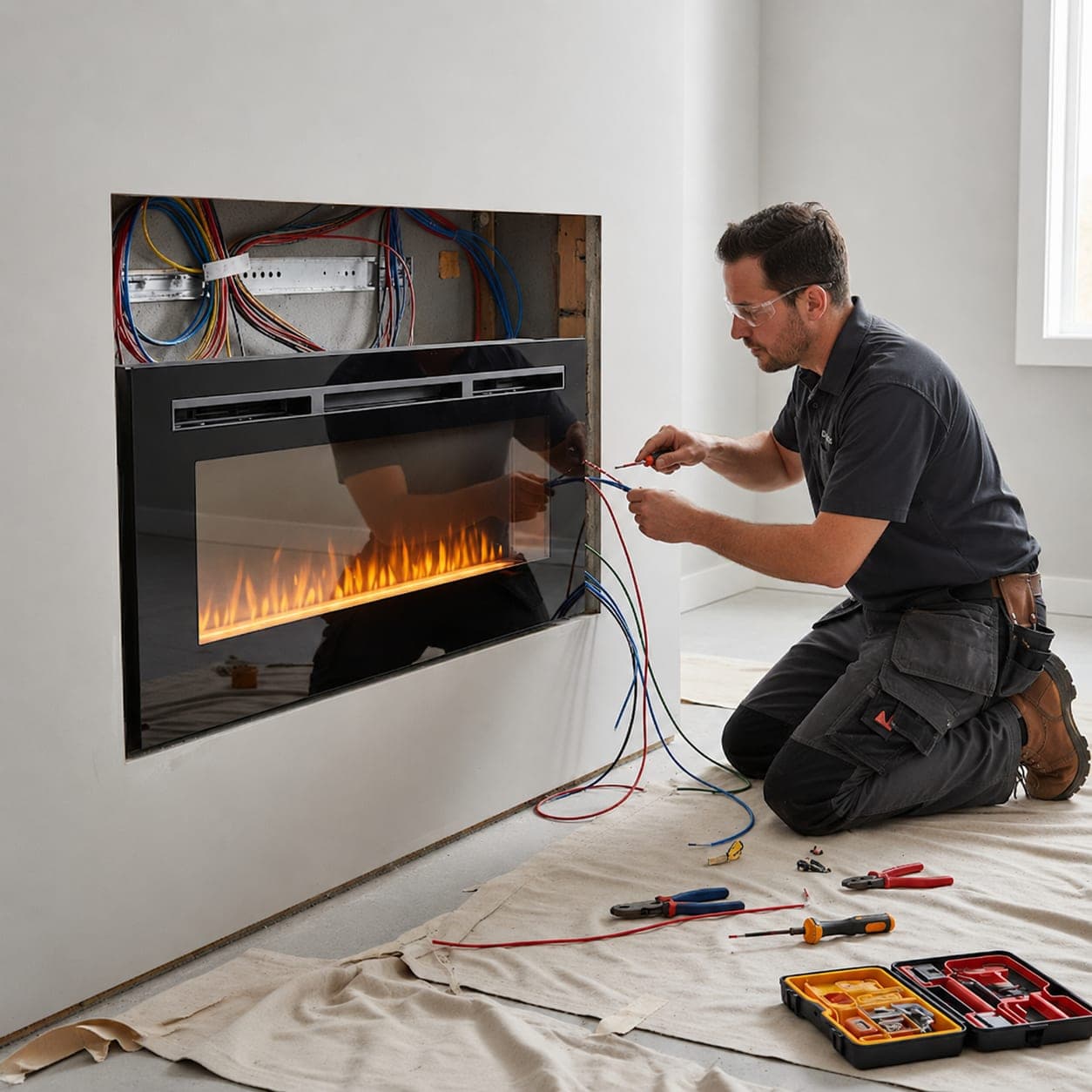
An electric insert is the third route. It plugs into an outlet and needs no gas line or venting, which suits a chimney you'd rather not use at all. If you already have an electric unit that has stopped working, the electric fireplace repair service covers that separately.
Smaller parts matter too. A fireplace screen or glass door belongs on an open firebox with gas logs. Getting the damper clamp, liner connections, logs, burner and controls right is what makes the new fireplace safe and reliable.
What the visit involves, step by step
From first look to first flame
Talk through what you want
Look, heat, convenience or less upkeep. Your goal points toward gas logs, a gas insert or an electric insert.
Inspect the fireplace and chimney
We check the firebox, damper, smoke chamber, flue and cap, and the gas supply if there is one.
Explain the findings and options
You hear what fits your fireplace, what has to be fixed or cleaned first, and get a free estimate.
Prepare the fireplace
Cleaning, damper work, firebox repair or a gas line goes in before the new appliance.
Install and connect
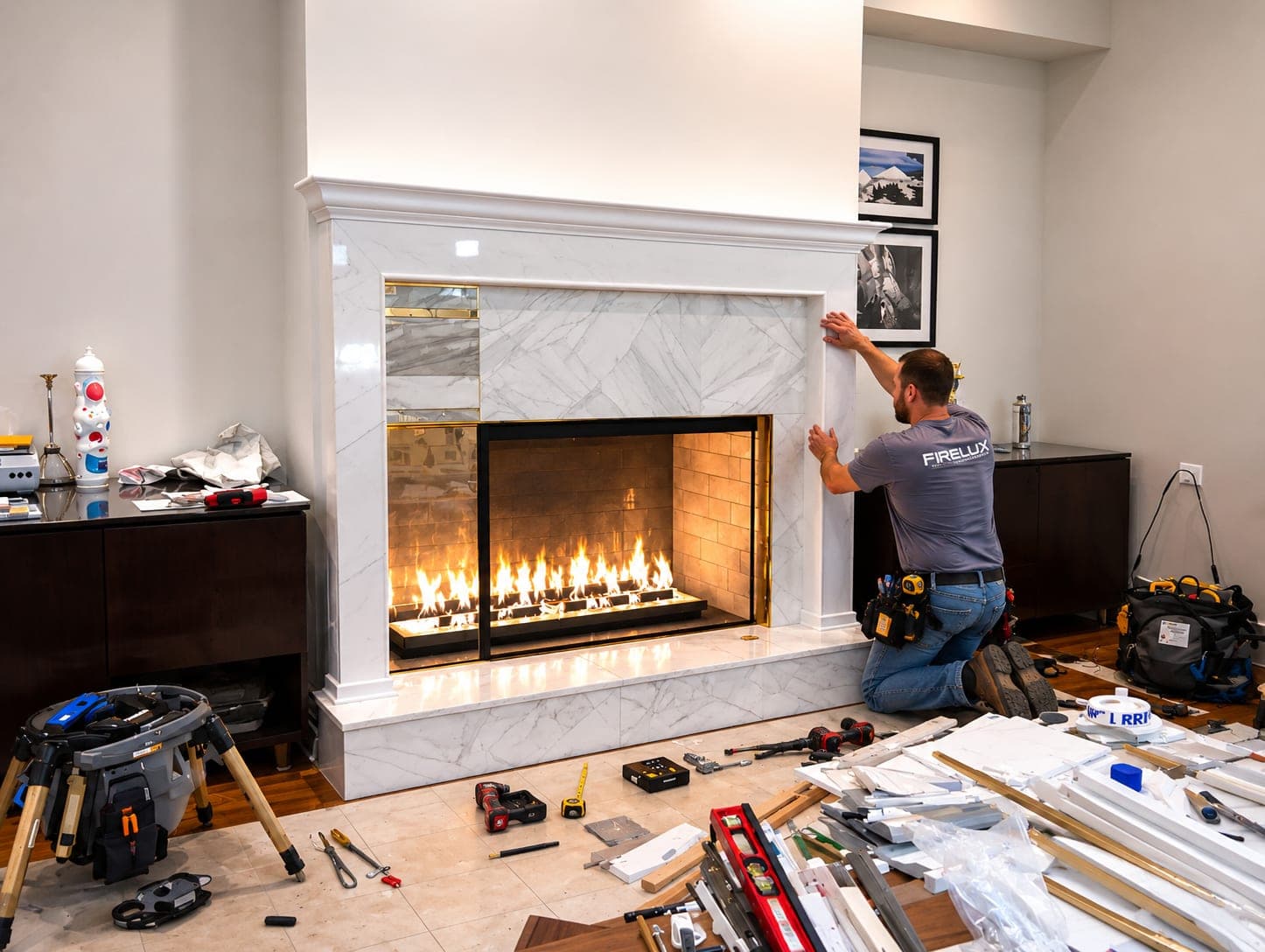
Logs or insert go in, along with any liner, venting and controls the unit needs.
Test and walk you through it
We light or switch on the unit, check it runs properly, and show you how to operate it.
Don't light your fireplace if you notice these
Stop and get it checked first
Don't light the fireplace if you smell gas, if the damper won't open, if smoke spilled into the room last time, if you can see cracks in the firebox, or if a conversion is half finished. If you smell gas, leave the house and call your gas utility or emergency services from outside.
Keeping the chimney in good shape after a conversion
A converted fireplace still needs attention. Gas appliances need periodic servicing of the burner, logs and controls, and the chimney or liner still carries exhaust that has to get out cleanly. The cap on top keeps out rain, debris and animals, and any of those can block the vent. A fireplace you've switched to electric takes the least care, though the chimney behind it can still let in water if the cap or crown fails.
Booking a fireplace conversion
Call or request an estimate and tell us what kind of fireplace you have and what you'd like it to become. Gas fireplace and gas appliance work is offered, and we work on all major brands. Commercial and property-manager work is offered too, for owners managing more than one fireplace in San Francisco.