When the fireplace sends smoke into the house
A working fireplace pulls air in across the fire and sends smoke up the flue. When smoke curls out under the opening, the room smells of smoke, or the alarm goes off, that flow has stalled or reversed. It can happen only when you light the fire, only on certain days, or every time you use the fireplace. Each pattern points toward a different cause.
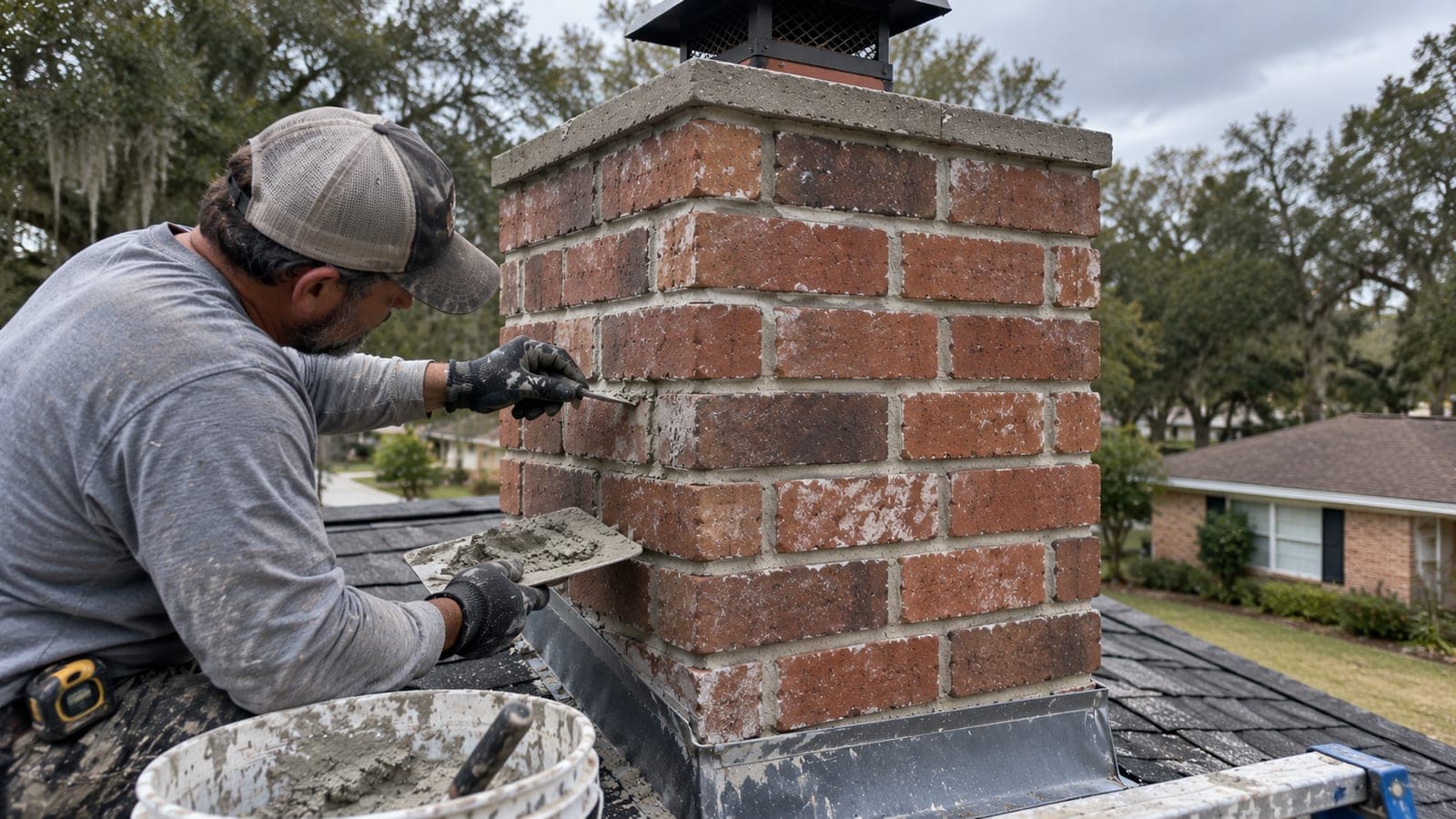
Common signs of a draft problem
What homeowners usually notice
- Smoke drifts out of the top of the fireplace opening, especially while lighting the fire
- The fire is hard to start and smolders instead of burning cleanly
- A smoky smell lingers in the room after the fire is out
- Black staining builds up on the face of the fireplace above the opening
- Smoke gets worse when kitchen or bathroom exhaust fans or a clothes dryer are running
- Cold air or a sooty odor comes down the chimney when the fireplace isn't in use
- Smoke alarms go off during normal fires
Possible causes of smoke coming into the room
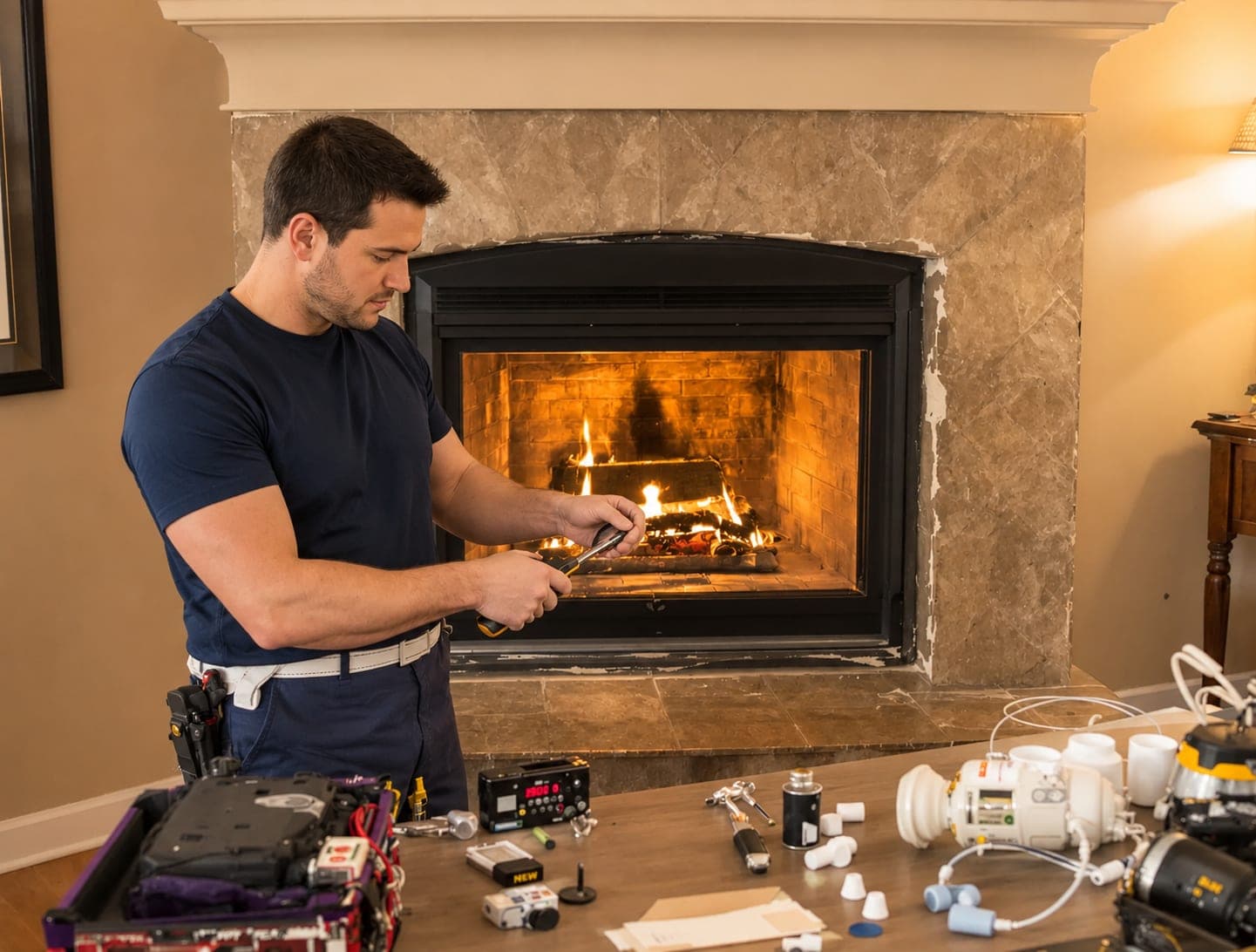
Several things can cause this, and more than one can be at work at the same time. A visual or camera inspection of the firebox, damper, smoke chamber and flue confirms which one it is. Treat the list below as possibilities to check, not a diagnosis.
A closed, stuck or damaged damper
A damper that is only partly open, or that won't open fully because it is warped or rusted, narrows the path for smoke. This is the first thing to check, and the damper may need repair.
A blocked or restricted flue
Creosote buildup, fallen debris, leaves or an animal nest can choke the flue so smoke has nowhere to go but back out. A missing or damaged chimney cap makes debris and nests more likely.
A cold flue or air pressure in the house
A cold column of air sitting in the chimney can resist rising smoke until the flue warms up. Exhaust fans, a running dryer or a tightly sealed house can also pull air down the chimney instead of up it, because the fire competes with other appliances for air.
A rough or damaged smoke chamber
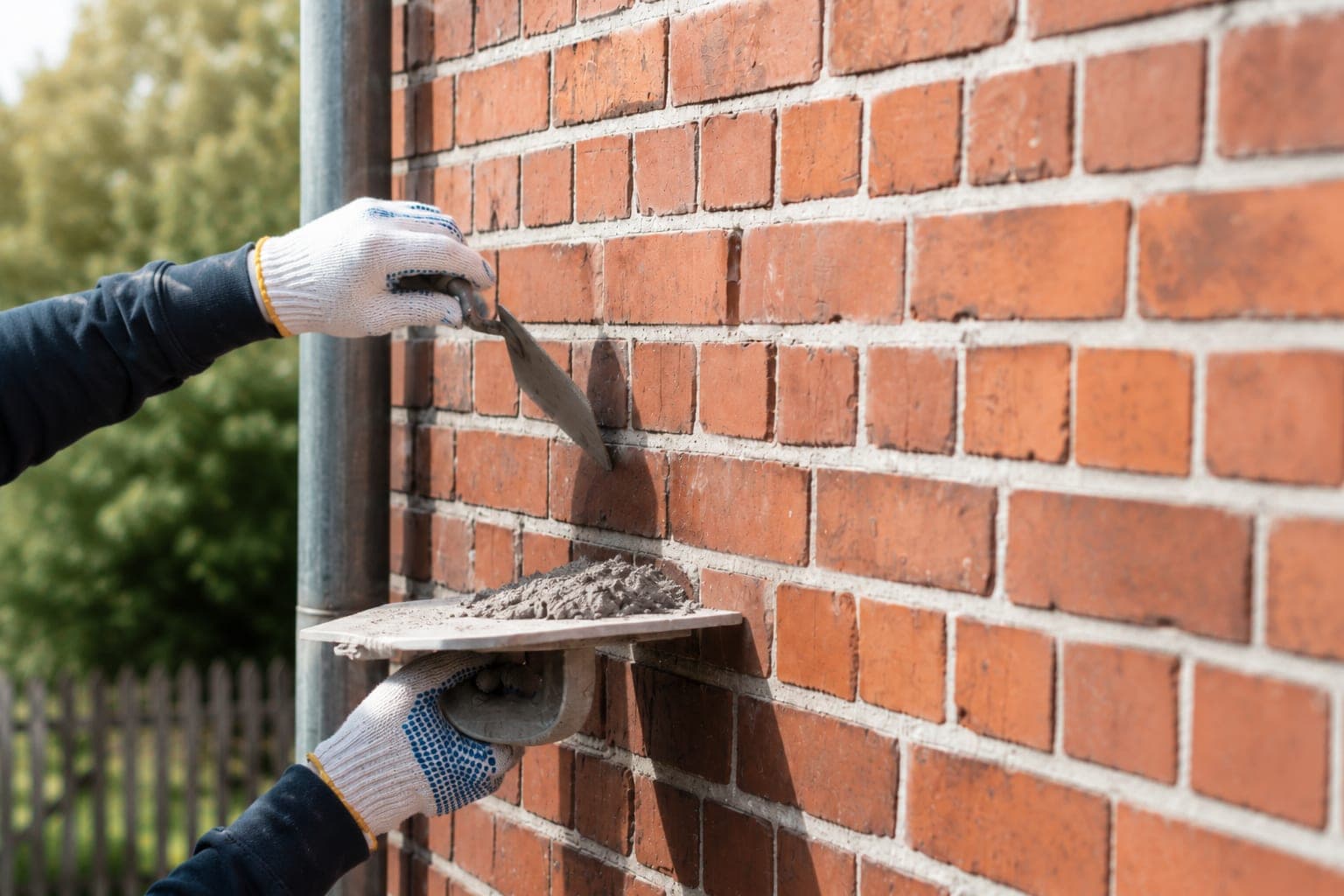
The smoke chamber is the sloped area above the damper that funnels smoke into the flue. Stepped bricks, gaps or crumbling mortar create turbulence that slows the smoke and pushes some of it back into the room. Repairing and smoothing those walls is the job of smoke chamber parging and repair.
A fireplace and flue that are out of proportion
If the fireplace opening is too large for the flue, or the chimney is too short for the house, the chimney may never pull hard enough to carry all the smoke away. Fixing this usually means changing the opening, the flue or the top of the chimney.
Wet or unseasoned wood
Damp wood smolders and makes more smoke at lower heat, which a weak draft can't handle. Dry wood won't fix a structural problem, but wet wood can make the symptoms worse.
How urgent it is, and when to stop using the fireplace
Treat smoke spilling into the room as a reason to stop using the fireplace until the cause is found. Smoke carries carbon monoxide and fine particles, and some causes of poor draft, such as heavy creosote or a blocked flue, can also raise the risk of a chimney fire.
Get out first if it's serious
If the room fills with smoke, a carbon monoxide alarm sounds, anyone feels dizzy or sick, or you hear roaring or see flames at the top of the chimney, get everyone outside and call emergency services. If you hear roaring or see flames or sparks from the top of the chimney, get everyone out and call 911.
For a smoky fire that is otherwise under control, let it burn down rather than adding more wood, open a nearby window to let in air, and turn off exhaust fans. Don't use the fireplace again until it has been checked. Emergency calls are accepted. 24-hour service runs Sunday–Friday, and same-day visits are available where the schedule allows.
What not to do
- Don't throw water on a fire in a masonry fireplace; the sudden steam and temperature change can crack the firebox and flue.
- Don't close the damper while anything is still smoldering. If the fireplace has gas logs, leave the damper as the installer set it — vented gas logs need it open.
- Don't keep burning and hope the problem clears up, especially if smoke alarms or carbon monoxide alarms go off.
- Don't climb onto the roof to look down the chimney or try to clear a blockage yourself.
What normally fixes it
The fix depends on what the inspection finds. A damper that won't open fully can be repaired. A restricted flue may need creosote removal, blockage removal or nest removal, and a chimney cap can keep debris and animals out afterward. When the draft itself is weak because of air pressure in the house, the fireplace's proportions or the top of the chimney, our fireplace draft repair service addresses the cause rather than the symptom. If the smoke chamber walls are rough or damaged, rebuilding a damaged smoke chamber gives the smoke a smooth path into the flue.
How the problem is usually handled
Inspect
Check the damper, firebox, smoke chamber and flue, using a camera when the flue can't be seen clearly.
Clear what's blocking it
Remove creosote, debris or nests that restrict the flue.
Repair the cause
Fix the damper, smoke chamber, cap or draft problem the inspection points to.
Test the draft
Confirm smoke moves up the chimney before the fireplace goes back into regular use.
For the details of each stage, read how fireplace draft repair works. Free estimates.
Related work we do
- Chimney and fireplace inspection, including camera inspection of the flue
- Chimney sweep and cleaning, creosote removal and chimney blockage removal
- Chimney animal and nest removal, and chimney cap installation or replacement
- Chimney damper repair and fireplace repair
- Gas fireplace and gas appliance work, on all major brands
- Commercial and property-manager work