On this page
What fireplace draft repair actually fixes
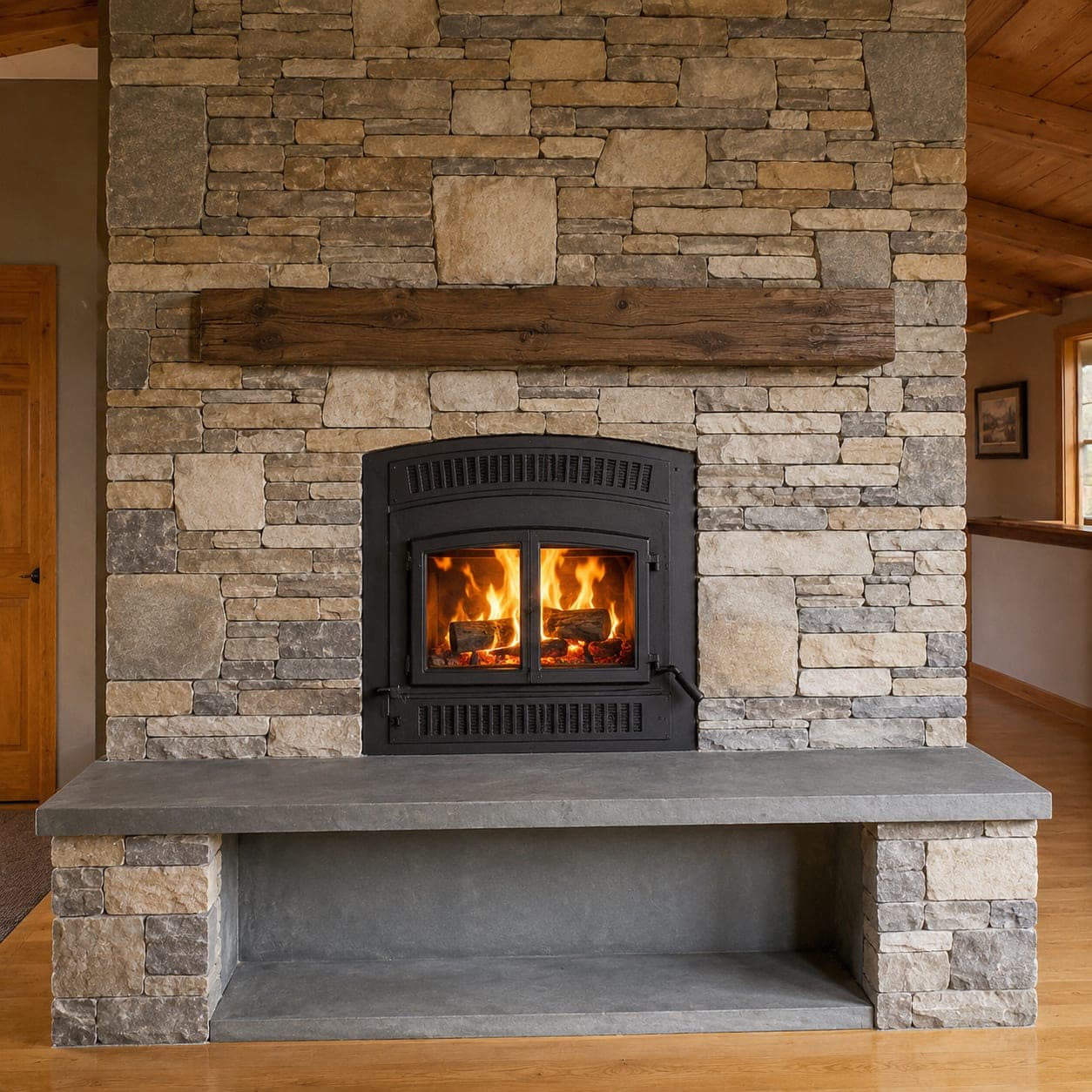
A fireplace works because hot air rises. Once the flue warms up, the rising column of gas pulls smoke up the chimney and draws fresh air in across the fire. That pull is the draft. When it's weak or reversed, smoke rolls out of the firebox opening, the room smells of smoke for days, and the fire burns sluggishly.
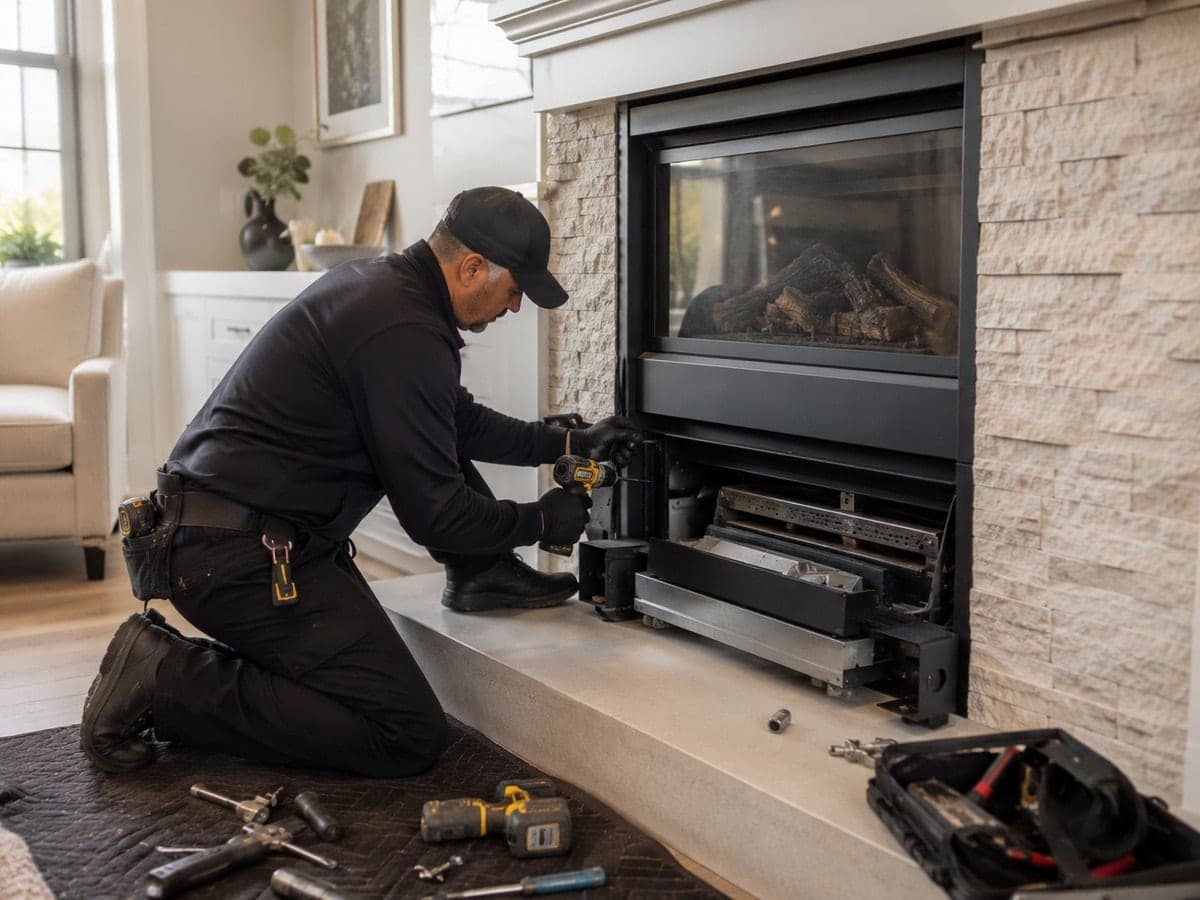
Fireplace draft repair means finding what is breaking that pull and correcting it. There's rarely a single part to swap. The cause can be mechanical, like a stuck damper. It can be physical, like a blocked flue or a rough smoke chamber. It can also be a mismatch between the fireplace and the chimney, or the house competing with the chimney for air. Each cause has a different fix, so diagnosis comes first.
Signs your fireplace has a draft problem
Call for a draft check if you notice any of these
- Smoke puffs or rolls out of the front of the fireplace, especially when the fire is first lit
- A smoky smell in the room that lingers after the fire is out
- Cold air or a sooty smell coming down the chimney when the fireplace isn't in use
- The fire is hard to start, smolders, or dies down unless you leave the doors open
- Black staining on the face of the fireplace above the opening
- Smoke gets worse when kitchen or bathroom exhaust fans are running
The most common complaint is smoke coming into the room. It's worth taking seriously. Smoke that spills indoors carries soot and carbon monoxide, and it usually means combustion gases aren't leaving the house the way they should.
What usually causes poor draft
Common causes and how we check them
01Damper that won't open fully
- What you may notice
- Smoke from the moment the fire is lit; the handle feels stiff or doesn't move through its full range
- How it’s confirmed
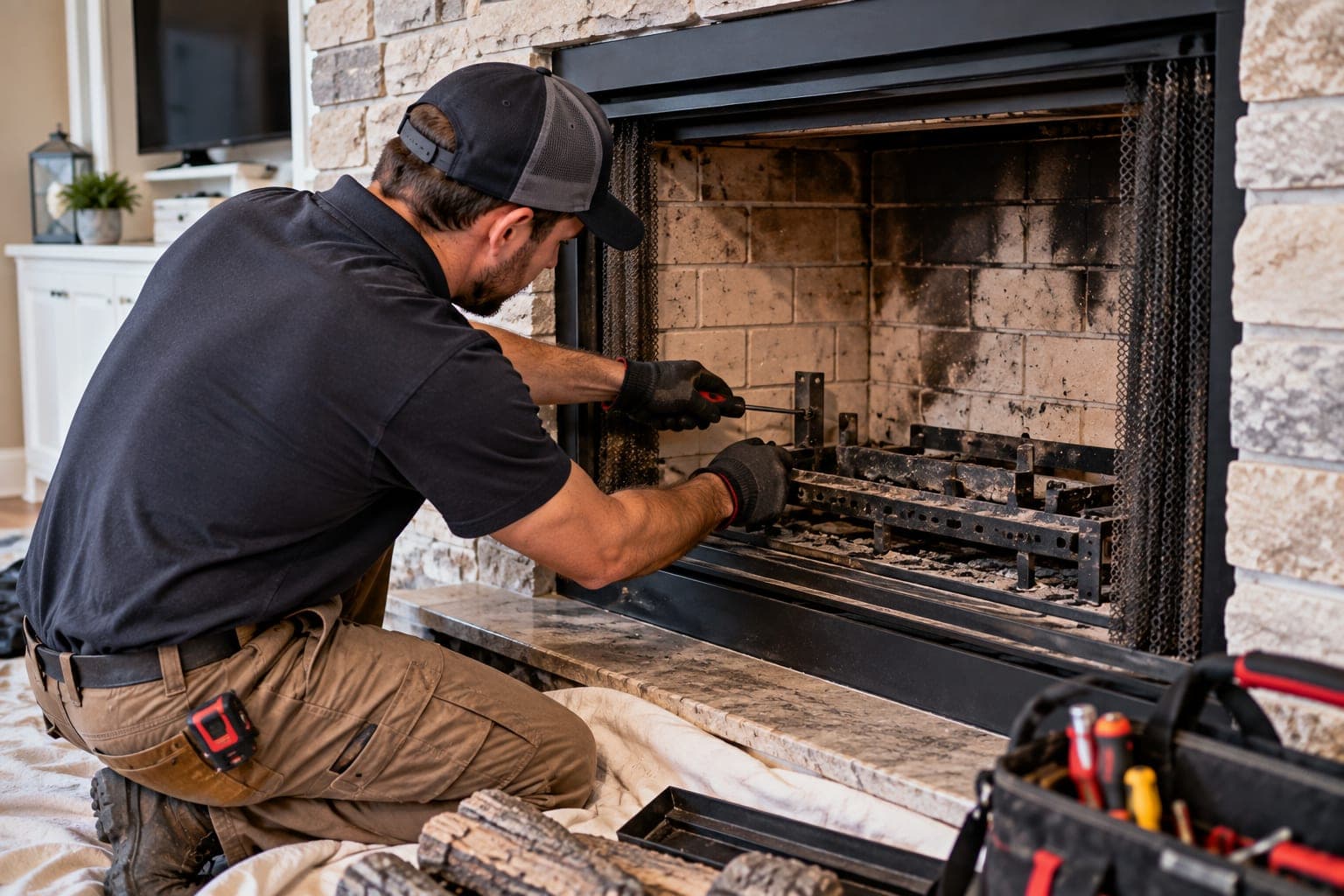
- We operate the damper and look at the plate, frame and hinge for rust, warping or broken parts
02Blocked or narrowed flue
- What you may notice
- Draft that was fine before and got worse; debris or twigs in the firebox; strong odor
- How it’s confirmed
- Visual and camera inspection of the flue for creosote buildup, nests, fallen masonry or debris
03Rough or damaged smoke chamber
- What you may notice
- Smoke curls out at the top of the opening even with the damper open
- How it’s confirmed
- We inspect the area above the damper for stepped brick, gaps or crumbling mortar that cause turbulence
04Missing or wrong chimney cap
- What you may notice
- Downdrafts on windy days, rain or animals getting into the flue
- How it’s confirmed
- We check the top of the chimney for a cap and whether it suits the flue
05House pressure pulling against the chimney
- What you may notice
- Smoke gets worse with exhaust fans, a dryer or a furnace running, and better when a window is cracked open
- How it’s confirmed
- We test the fire with fans on and off and with a window open to see if the house is starving the fireplace of air
Sometimes the issue is simply that the flue is dirty. Heavy soot and creosote narrow the passage and slow the draft, and a thorough fireplace cleaning may be most of the fix. We'll tell you if that's the case rather than selling a bigger repair.
How a draft repair visit works
From first call to a fireplace that draws
Tell us what you're seeing
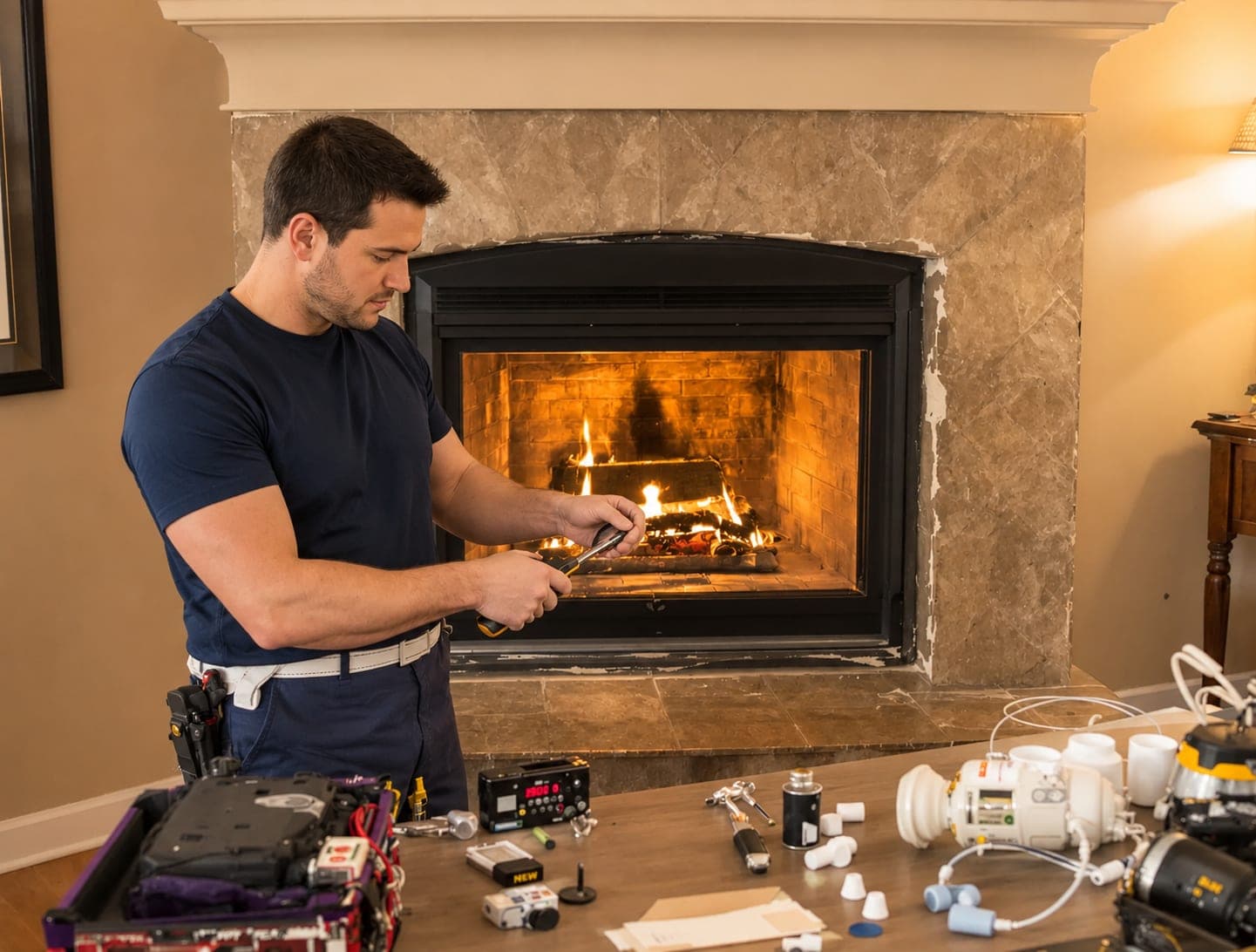
When you get in touch, describe when the smoke appears, whether it's a wood or gas fireplace, and anything that makes it better or worse. That points us toward likely causes before we arrive.
Inspect the firebox, damper and flue
We check the damper's operation, the firebox and smoke chamber, and the flue itself, using a camera where we need to see what's inside the chimney.
Check the top and the house
We look at the cap and chimney top, then consider the house side: exhaust fans, other appliances and how much air reaches the fireplace.
Explain the cause and the options
You get a plain explanation of what's restricting the draft and what it takes to correct it, with a free estimate before any repair work starts.
Make the repair
Depending on the cause, that can mean damper repair or replacement, smoke chamber repair, clearing a blockage, adding or replacing a chimney cap, flue liner work, or cleaning.
Confirm it draws
Where it's safe to do so, we verify that smoke is moving up the chimney and not into the room.
Wood, gas and electric units draft differently
Wood-burning fireplaces depend entirely on natural draft, so they show problems most clearly. Gas fireplaces vent differently depending on the type. A vented gas unit with a poor draft can let exhaust into the room, which is a reason to have it looked at promptly. We handle gas fireplace and gas appliance work as well as wood-burning fireplaces, and we work on all major brands. If you're weighing a change in fuel, our guide to gas vs wood burning fireplace covers the trade-offs.
Electric fireplaces have no flue and no draft, so a unit that isn't working right needs electric fireplace repair instead.
If smoke is filling the room right now
Stop adding fuel, open windows, and keep people and pets away from the smoke. If anyone has a headache, dizziness or nausea, get everyone outside and call emergency services. Once everyone is safe, call us. We accept emergency calls.
Booking fireplace draft repair
Same-day visits are available where the schedule allows, and 24-hour service runs Sunday–Friday. We take homeowner calls as well as commercial and property-manager work. If the inspection turns up damage beyond the draft problem, such as cracked firebox brick or a failing damper frame, we'll explain how our fireplace repair service addresses it. Call or request an estimate to get started.