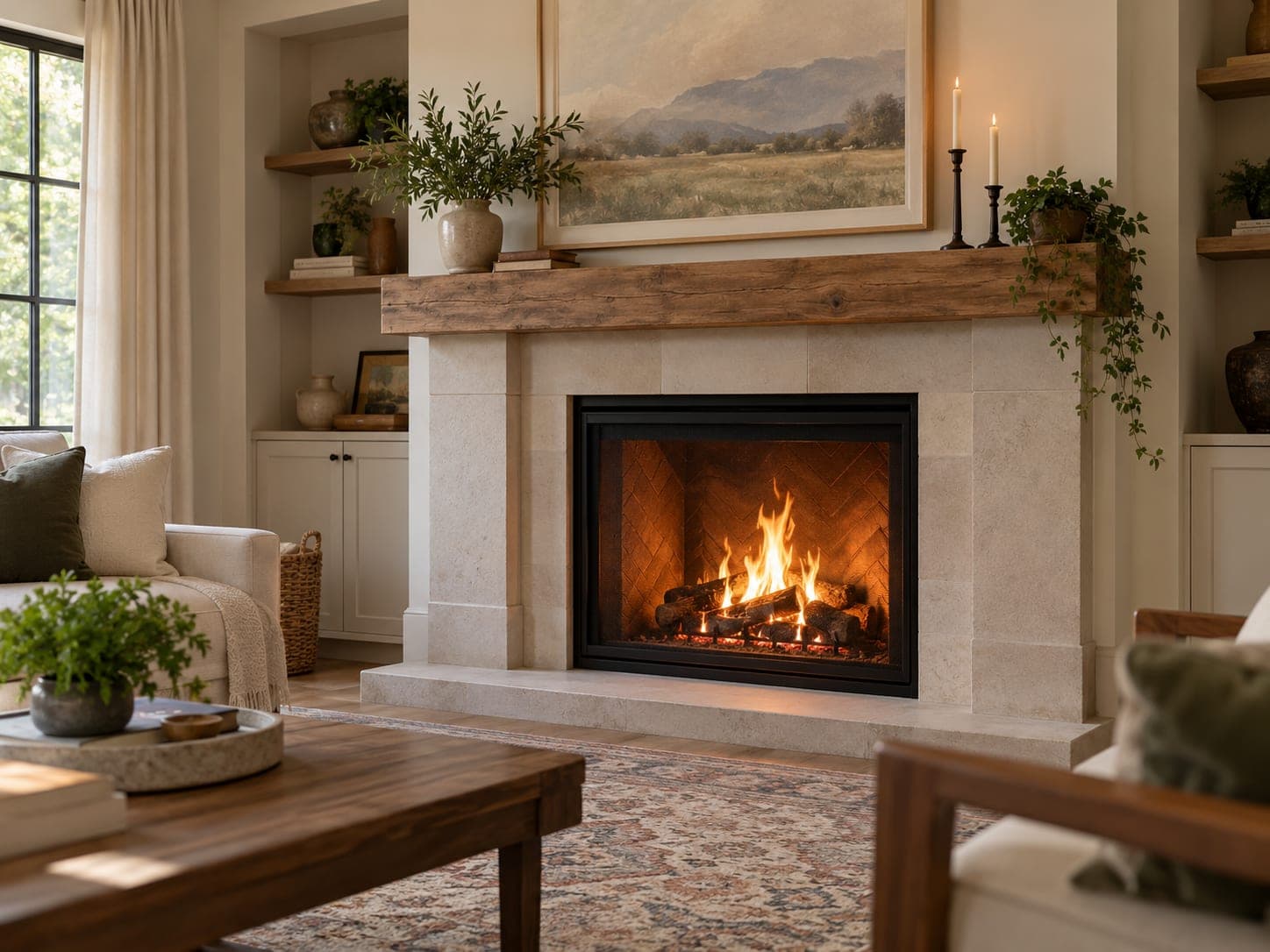
Chimney Fire Safety
How creosote turns into a chimney fire, the signs of an active or past fire, what to do if one starts, and the habits that prevent them.
6 min readRead guide
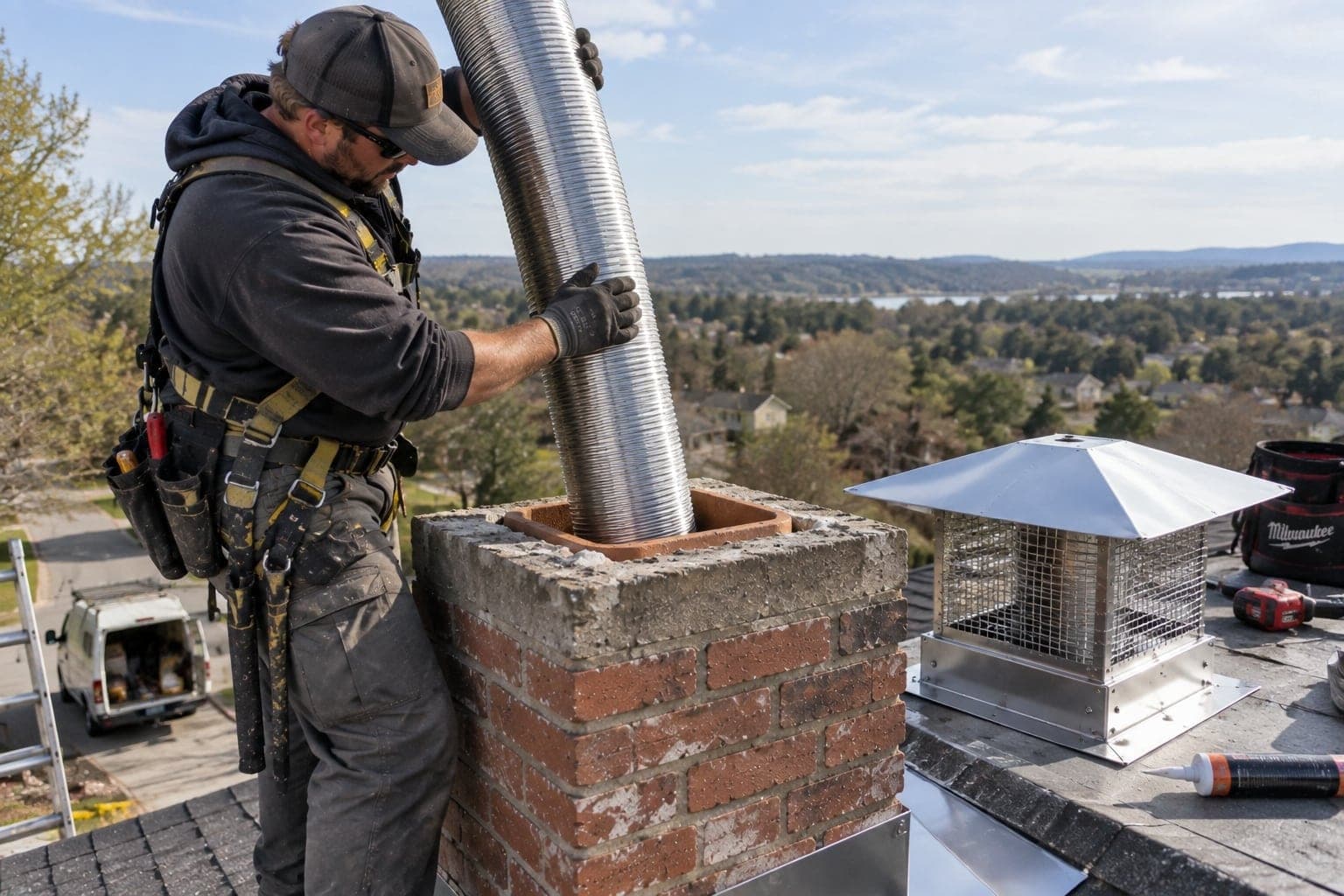
5 guides
Plain answers for decisions homeowners face: how to prevent a chimney fire, what creosote does, whether a cap is worth adding, choosing gas or wood, and when repair stops making sense compared with a rebuild.
Read before you book
How creosote turns into a chimney fire, the signs of an active or past fire, what to do if one starts, and the habits that prevent them.
6 min readRead guide
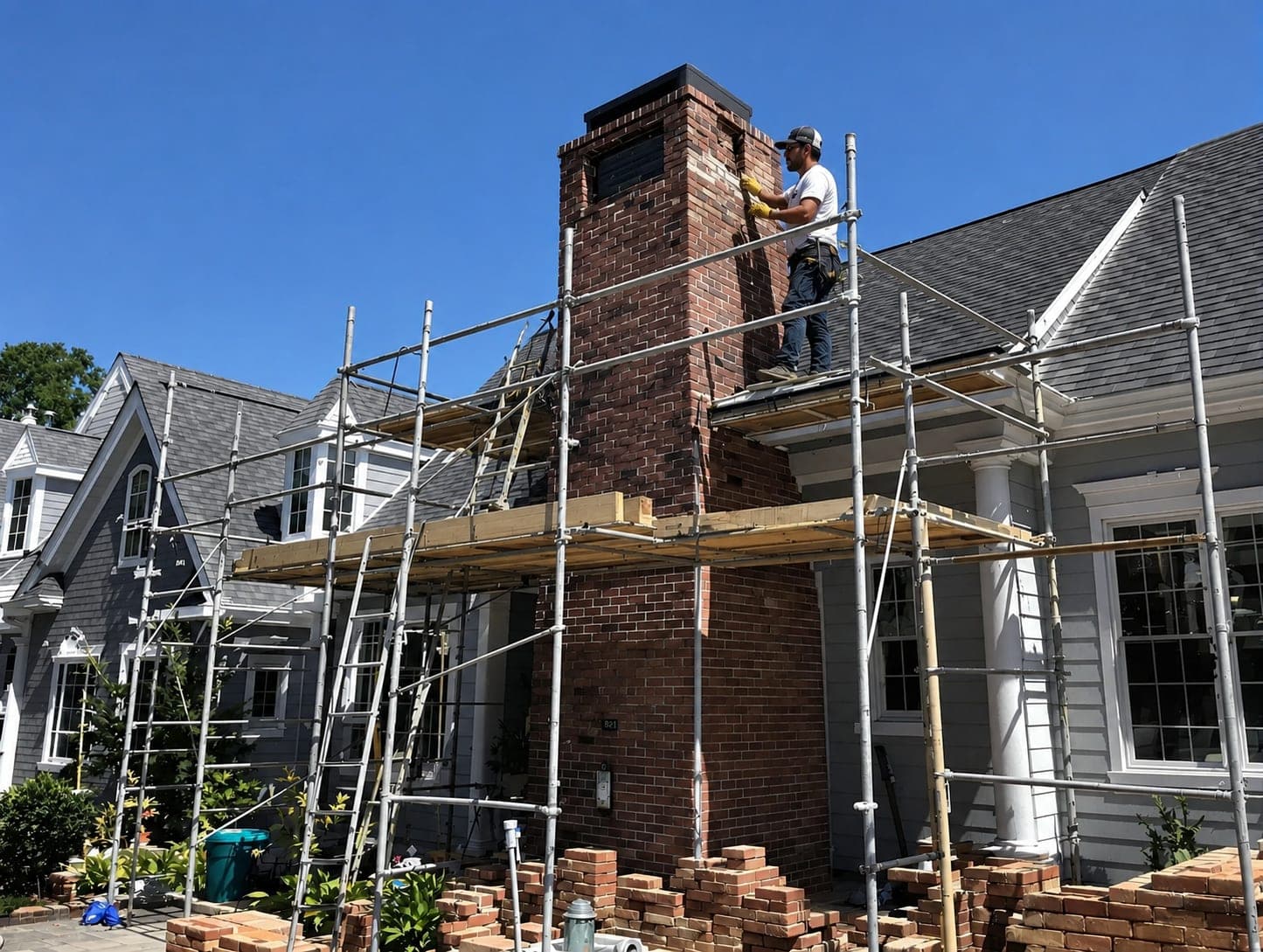
Most damaged chimneys need targeted repairs, not a rebuild. Here's how to tell which signs call for tuckpointing or crown work, and which call for a partial or full rebuild.
4 min readRead guide
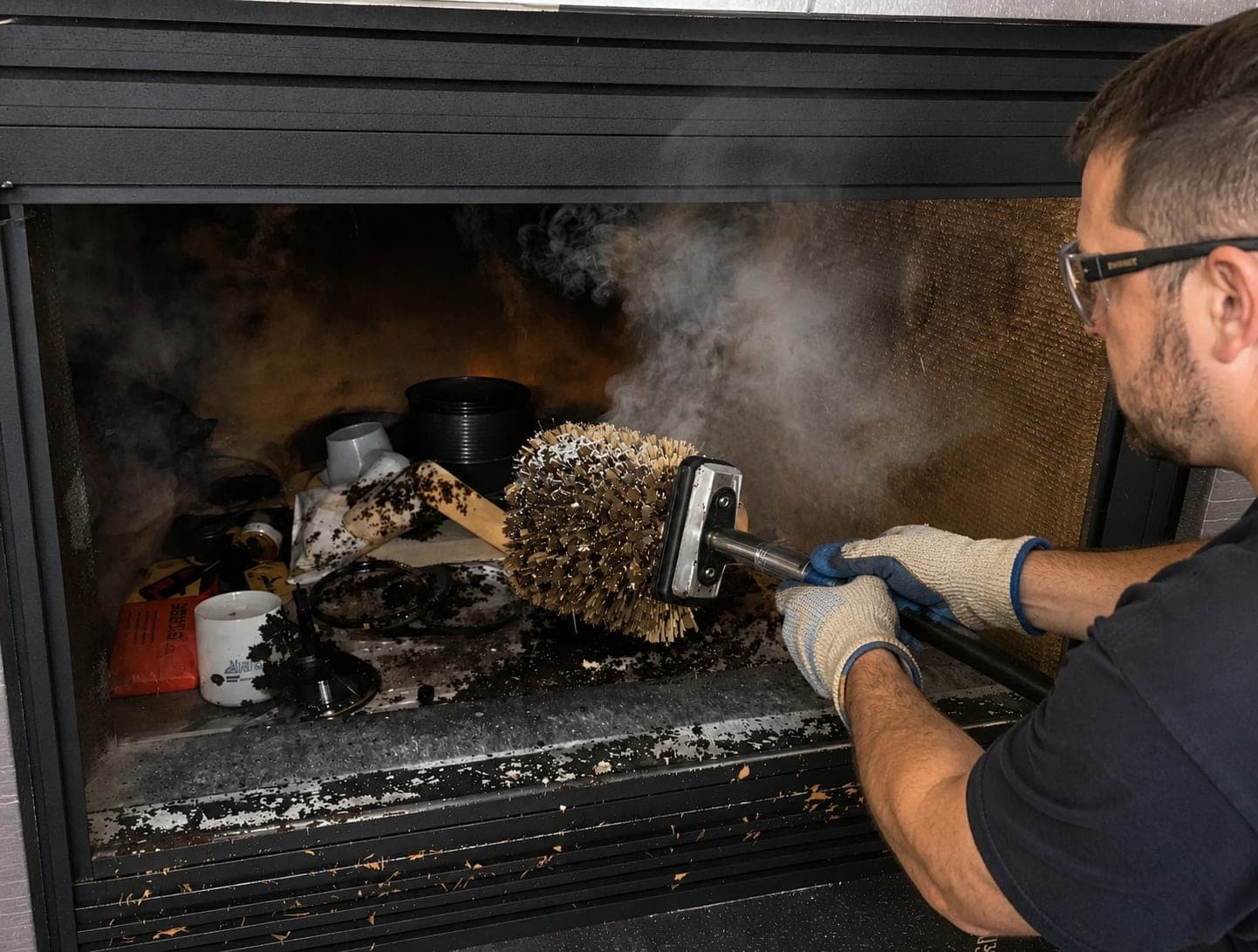
How creosote forms, what makes stage 3 glazed creosote so dangerous, the signs that buildup has become serious, and the habits and maintenance that prevent it.
7 min readRead guide
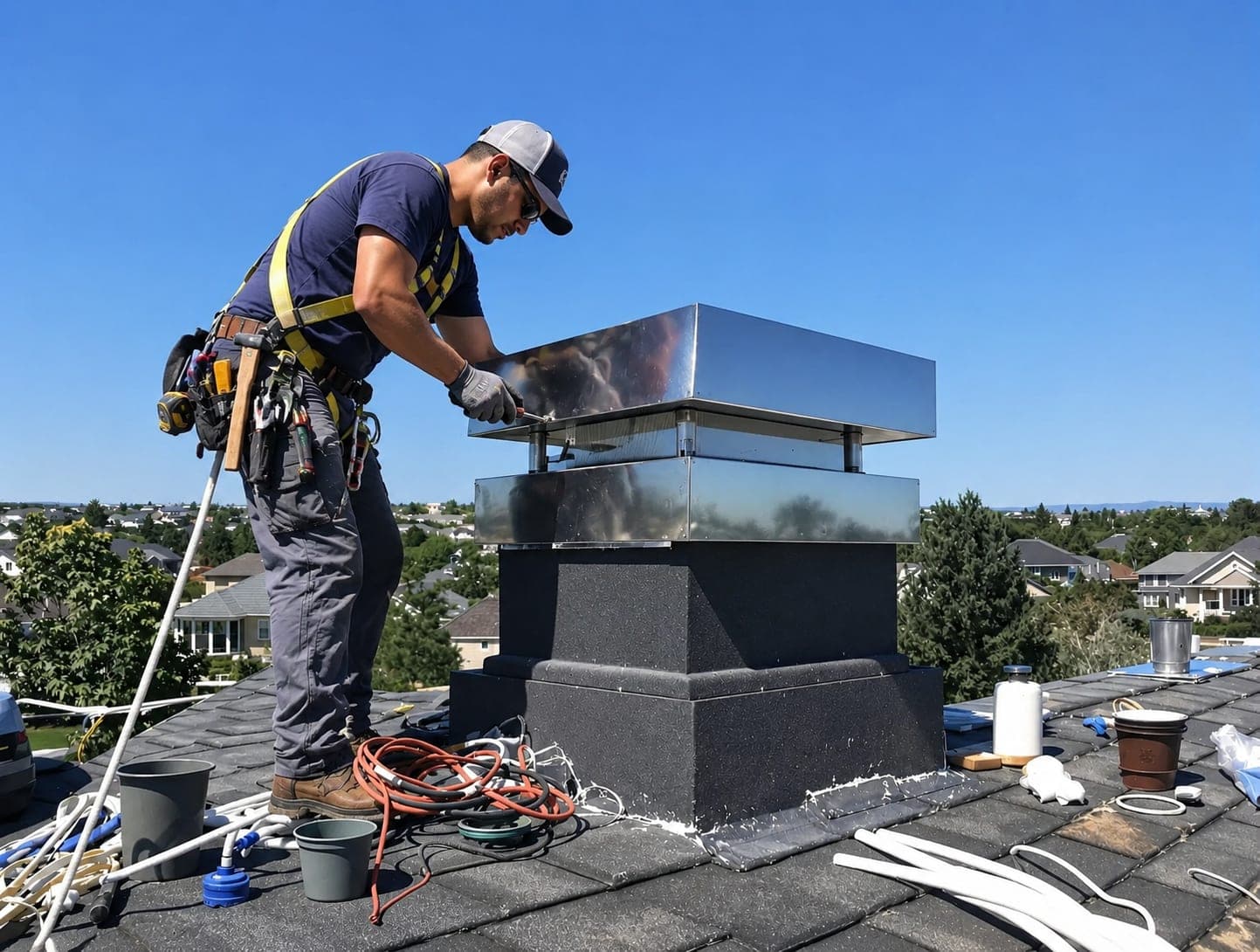
Most working chimneys should have a cap to keep out rain, animals, debris and embers. Learn which cap types and materials fit which chimney, and how to spot one that is missing or failing.
5 min readRead guide
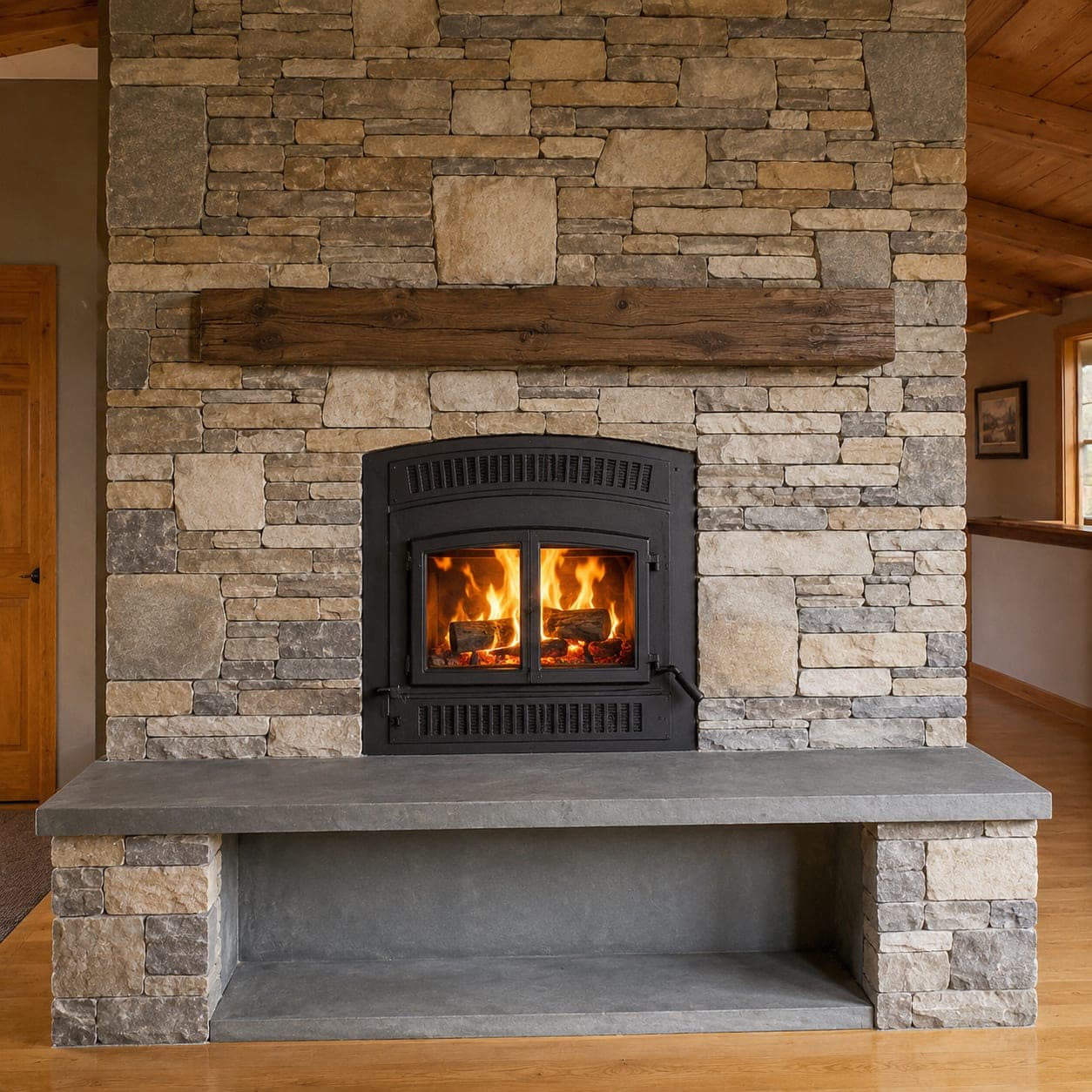
Gas fireplaces trade the crackle of real wood for convenience, cleaner burning and less upkeep. Here's how the two compare and what switching to gas involves.
5 min readRead guide
Next step
Share what you have and what you’re seeing. We’ll tell you what an inspection or service would cover.
Tell us what the system is doing and we will get back to you — the estimate is free.
Prefer to call?
(415) 594-1821