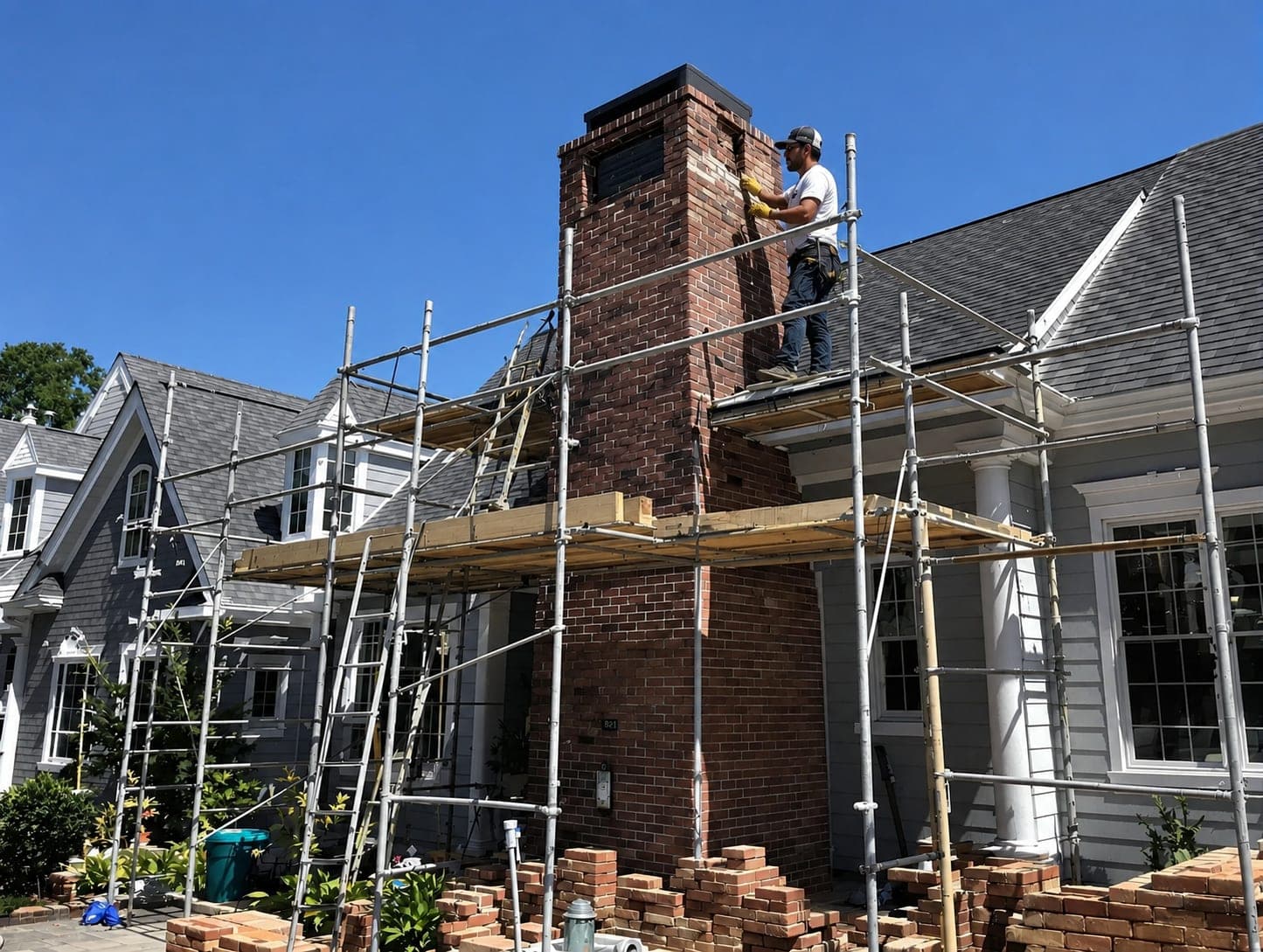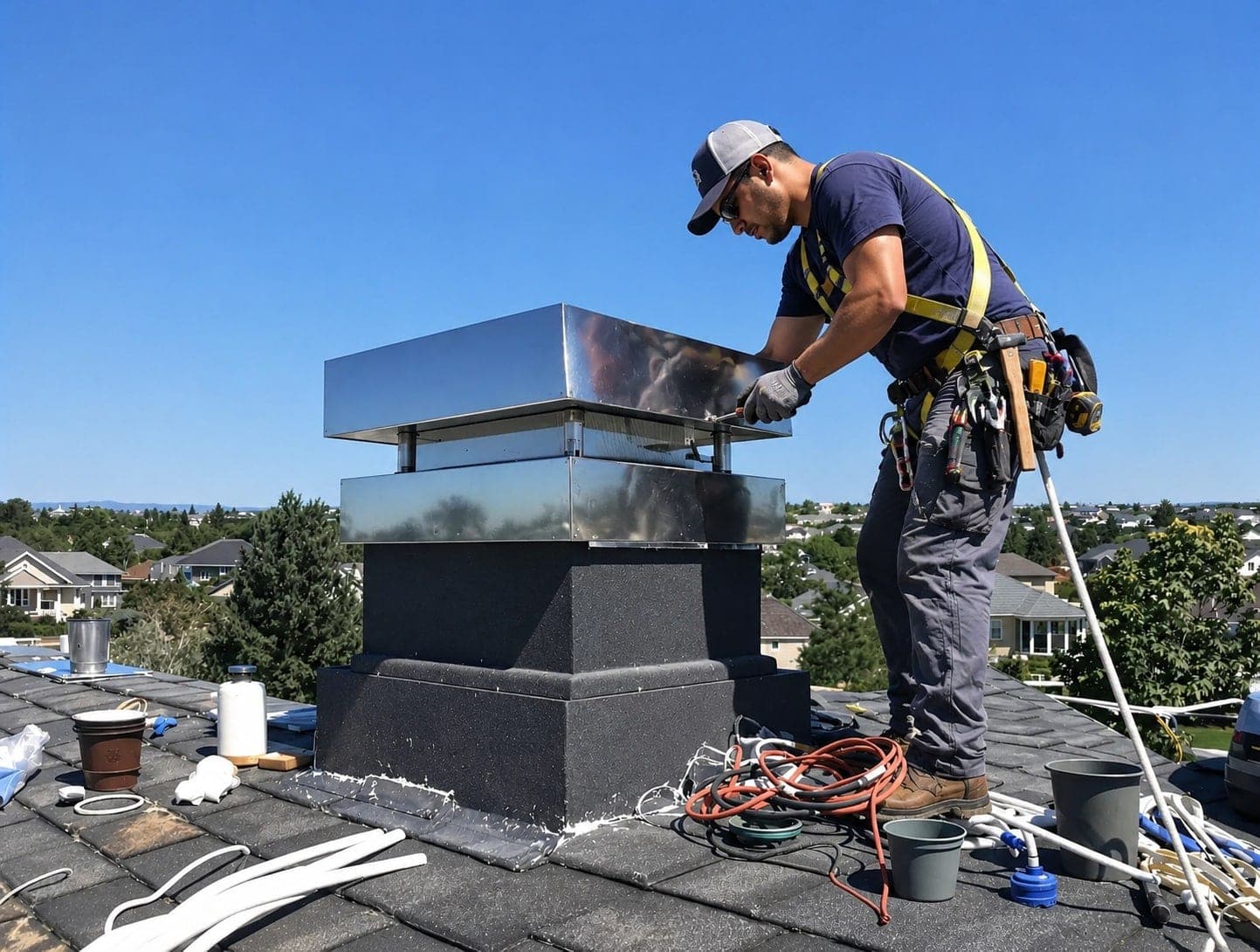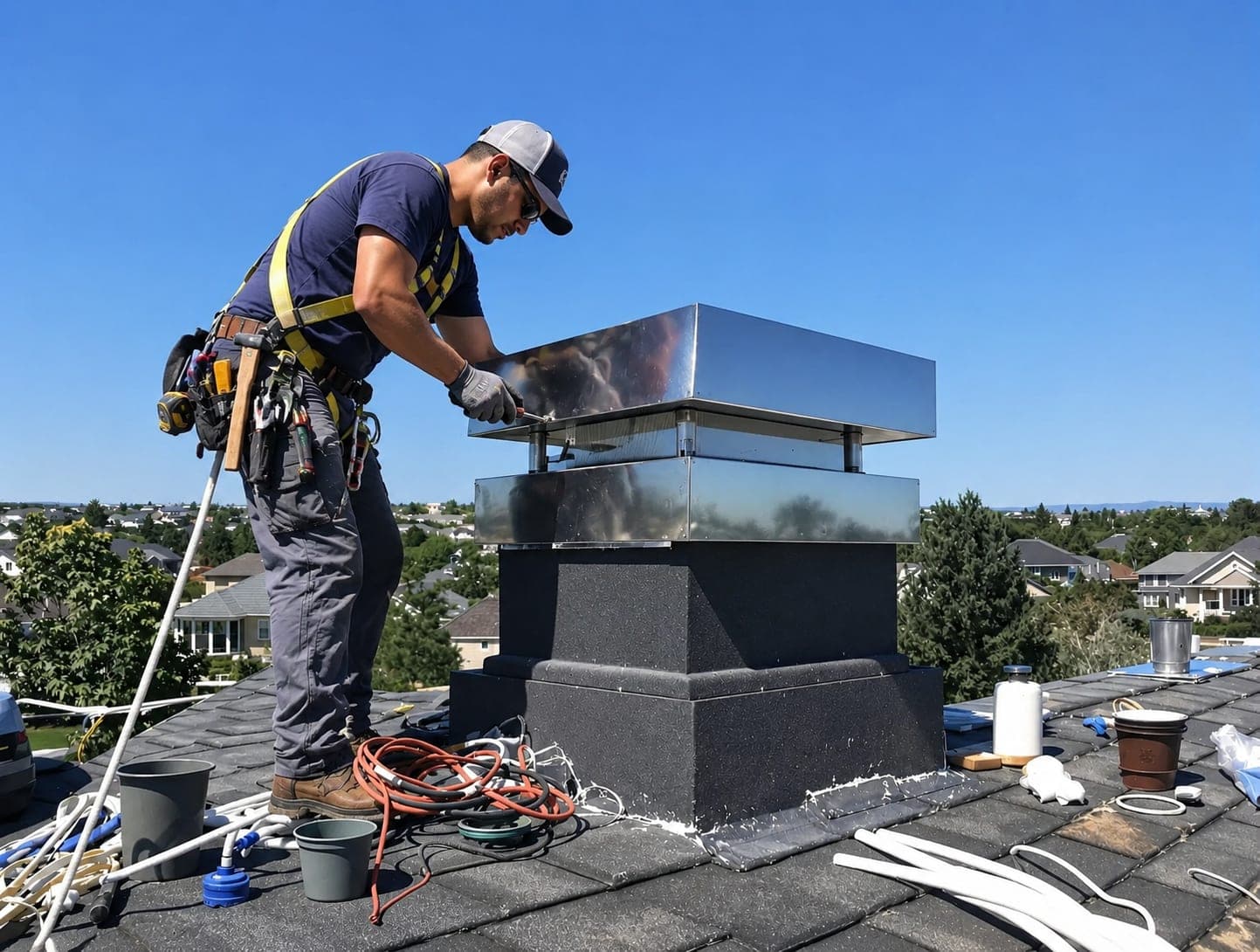
The short answer: most chimneys should have one
If your chimney serves a fireplace, wood stove, insert or gas appliance, a cap is worth having. An open flue is a straight path down into your house for rainwater, leaves, birds, squirrels and raccoons, and on a wood-burning chimney it is also a path out for hot embers. A properly sized cap with mesh sides blocks all of that while still letting smoke and combustion gases escape.
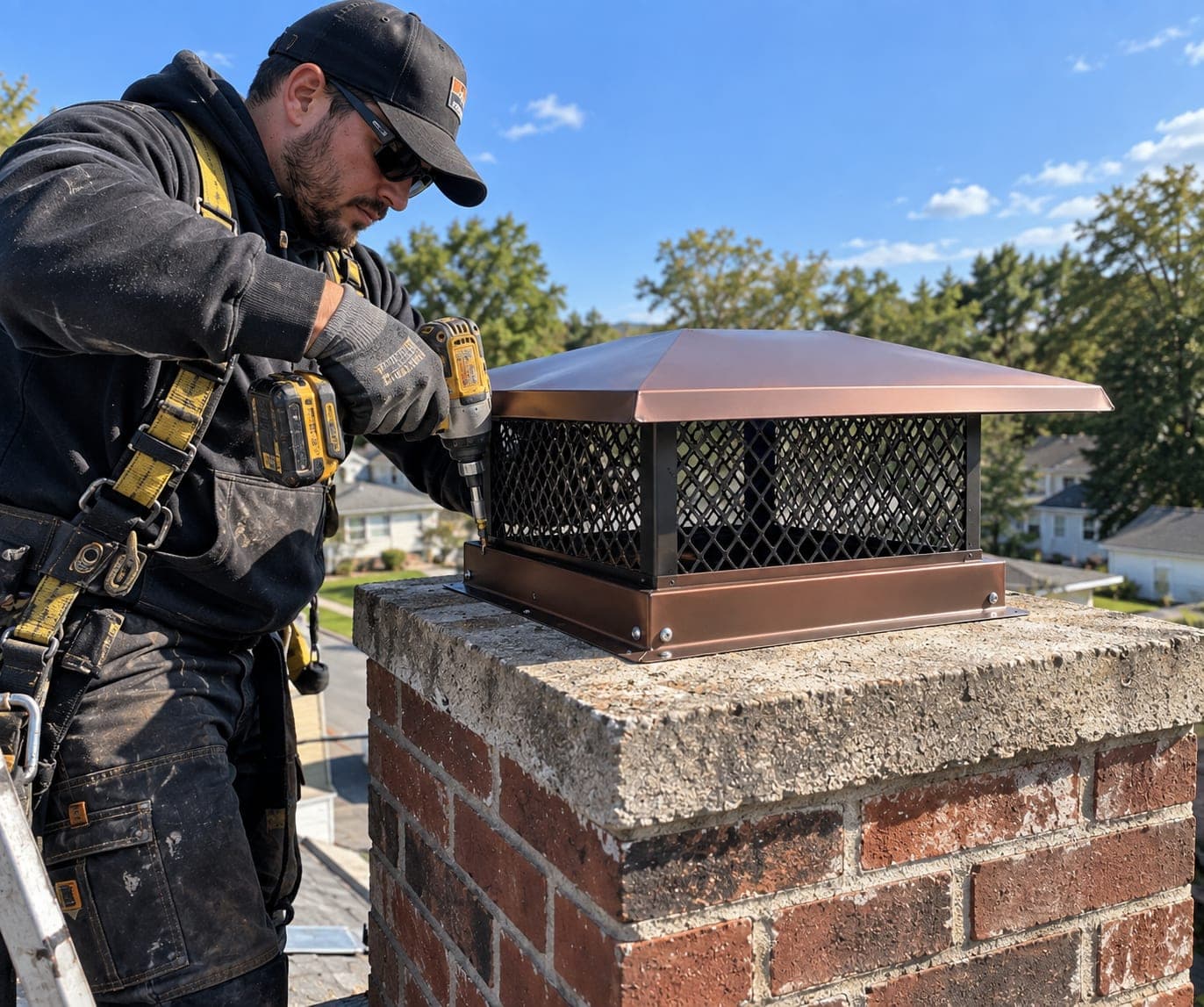
The main exceptions are chimneys that are sealed off and no longer used, and some factory-built (prefab) chimneys whose manufacturer specifies a particular termination cap. In that case the right cap is the listed one, not a generic one.
What a chimney cap protects against
A cap does several jobs at once, and the one that matters most depends on how you use your fireplace.
What a good cap keeps out or in
- Rain falling straight into the flue, where it soaks masonry, rusts dampers and metal liners, and pools in the firebox or smoke chamber
- Animals such as birds, squirrels and raccoons looking for a sheltered place to nest
- Leaves, twigs and debris that can pile up and block the flue
- Embers and sparks leaving the top of a wood-burning chimney and landing on the roof or nearby plants
- Downdrafts from wind blowing across the open flue, which can push smoke back into the room
| Feature | With a cap | Without a cap |
|---|---|---|
| Rainwater | Most rain is deflected away from the flue | Rain falls directly into the flue and firebox |
| Animals | Mesh screen keeps them out | Open entry for nesting birds and small animals |
| Debris | Leaves and twigs stay outside | Debris can collect and narrow or block the flue |
| Embers | Mesh catches most sparks | Embers can exit freely onto the roof |
| Damper and liner | Stay drier and last longer | Exposed to repeated wetting and rust |
Rainwater
- With a cap
- Most rain is deflected away from the flue
- Without a cap
- Rain falls directly into the flue and firebox
Animals
- With a cap
- Mesh screen keeps them out
- Without a cap
- Open entry for nesting birds and small animals
Debris
- With a cap
- Leaves and twigs stay outside
- Without a cap
- Debris can collect and narrow or block the flue
Embers
- With a cap
- Mesh catches most sparks
- Without a cap
- Embers can exit freely onto the roof
Damper and liner
- With a cap
- Stay drier and last longer
- Without a cap
- Exposed to repeated wetting and rust
Rain and a chimney without a cap
Water is the most common reason homeowners end up wishing they had a cap. Rain that enters an open flue runs down the inside of the chimney, soaking brick and mortar, rusting the damper and, over time, damaging the liner. You may notice damp smells, staining or water in the firebox. If you are already seeing that, it is worth reading about what causes chimney leaking when it rains, because a missing cap is only one of several possible entry points; flashing and the crown are others.
Your options: cap types and materials
Caps are chosen by how many flues the chimney has, what kind of chimney it is, and what material will hold up best.
| Type | How it fits | Typical use |
|---|---|---|
| Single-flue cap | Mounts over one flue tile or liner | Masonry chimney with one flue |
| Multi-flue (full-width) cap | Covers the whole top of the chimney and attaches to the crown | Chimneys with two or more flues, or a crown that also needs shelter |
| Prefab termination cap | Designed for a specific factory-built chimney system | Prefab fireplaces and chase-style chimneys |
| Material | Strengths | Drawbacks |
|---|---|---|
| Galvanized steel | Widely available and usually the least expensive | Zinc coating wears off and the cap rusts sooner |
| Stainless steel | Resists rust well and holds up for many years | Costs more than galvanized |
| Copper | Very durable and does not rust; weathers to a patina | Costs the most of the three; mainly chosen for its appearance |
Mesh size matters too. Mesh that is too coarse lets small animals through; mesh that is too fine can clog with soot and creosote on a wood-burning chimney and restrict draft.
What helps you decide
- No cap at all: if the chimney is in use, adding one is usually the straightforward fix. Our chimney cap installation service covers sizing and mounting it to the flue or crown.
- A cap that is rusted, bent or loose: it may no longer keep out rain or animals, and replacing it is often simpler than patching it. See how chimney cap replacement works.
- Water already getting in: a cap stops rain at the top, but if staining or drips continue, the leak may be coming from flashing or masonry, which calls for chimney leak repair.
- Crumbling brick or a damaged crown: a new cap needs something solid to attach to. If the top of the chimney is in poor shape, our guide to chimney repair vs rebuild can help you think through the next step.
If animals are already inside
Don't cap a chimney with an animal or active nest still in the flue. The animal and nest need to be removed first, then the cap or animal screen installed.
Chimney Flame installs and replaces chimney caps, animal screens and spark arrestors, and estimates are free.