When a normal load won't dry in one cycle
A dryer heats air, pushes it through the clothes and blows the moist air outside through the vent. If that air can't leave fast enough, the moisture stays in the drum. The dryer keeps running, the clothes stay damp, and you end up restarting it. A dryer taking too long to dry often has a vent problem rather than a broken machine, but not always. The first step is working out which one you are dealing with.
Common signs of restricted airflow
Signs to watch for
- Clothes are still damp or heavy after a cycle that used to be enough
- You routinely run a second or third cycle on normal loads
- Clothes and the top or sides of the dryer feel unusually hot
- The laundry room gets warm, humid or musty while the dryer runs
- A burning or scorched smell during or after a cycle
- The outside vent flap barely opens, or you feel little air coming out of it while the dryer runs
- Lint collecting around the outside vent opening or behind the dryer
Possible causes
Any of these can slow drying. Only a look at the vent run and an airflow check confirms which one, or which combination, is behind your slow dryer.
- Lint buildup inside the vent duct. The lint screen catches most lint, but some always gets past it and settles along the duct, especially at bends.
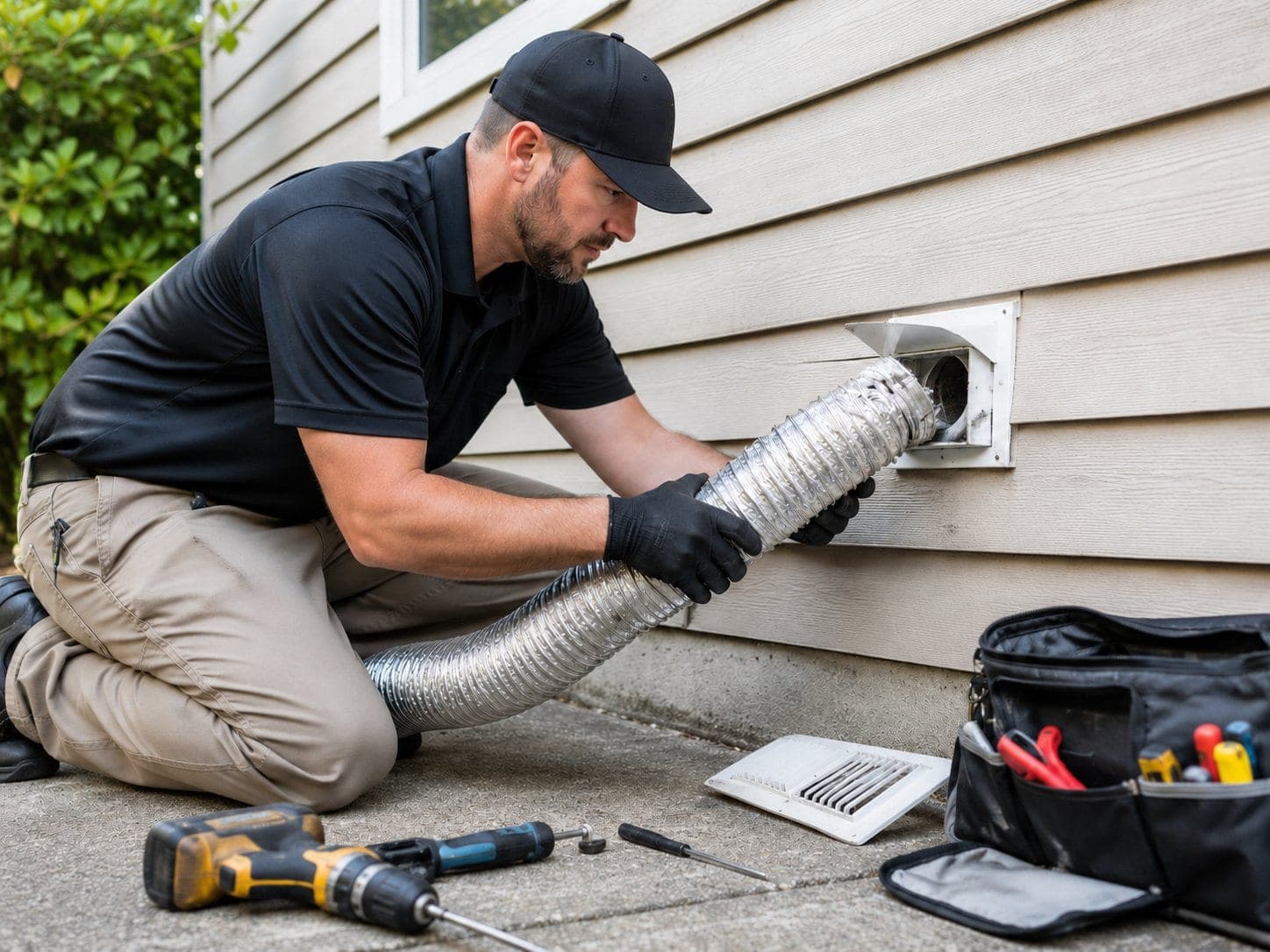
- A crushed, kinked or sagging transition hose behind the dryer, often from pushing the machine back against the wall.
- A blocked exterior vent cover. Packed lint, a stuck damper flap, or a bird or rodent nest can choke the opening.
- A long or winding vent run. Every extra bend and foot of duct adds resistance, and lint builds up faster in long runs.
- A disconnected or separated duct section, which dumps hot, moist air into a wall, attic or crawlspace instead of outside.
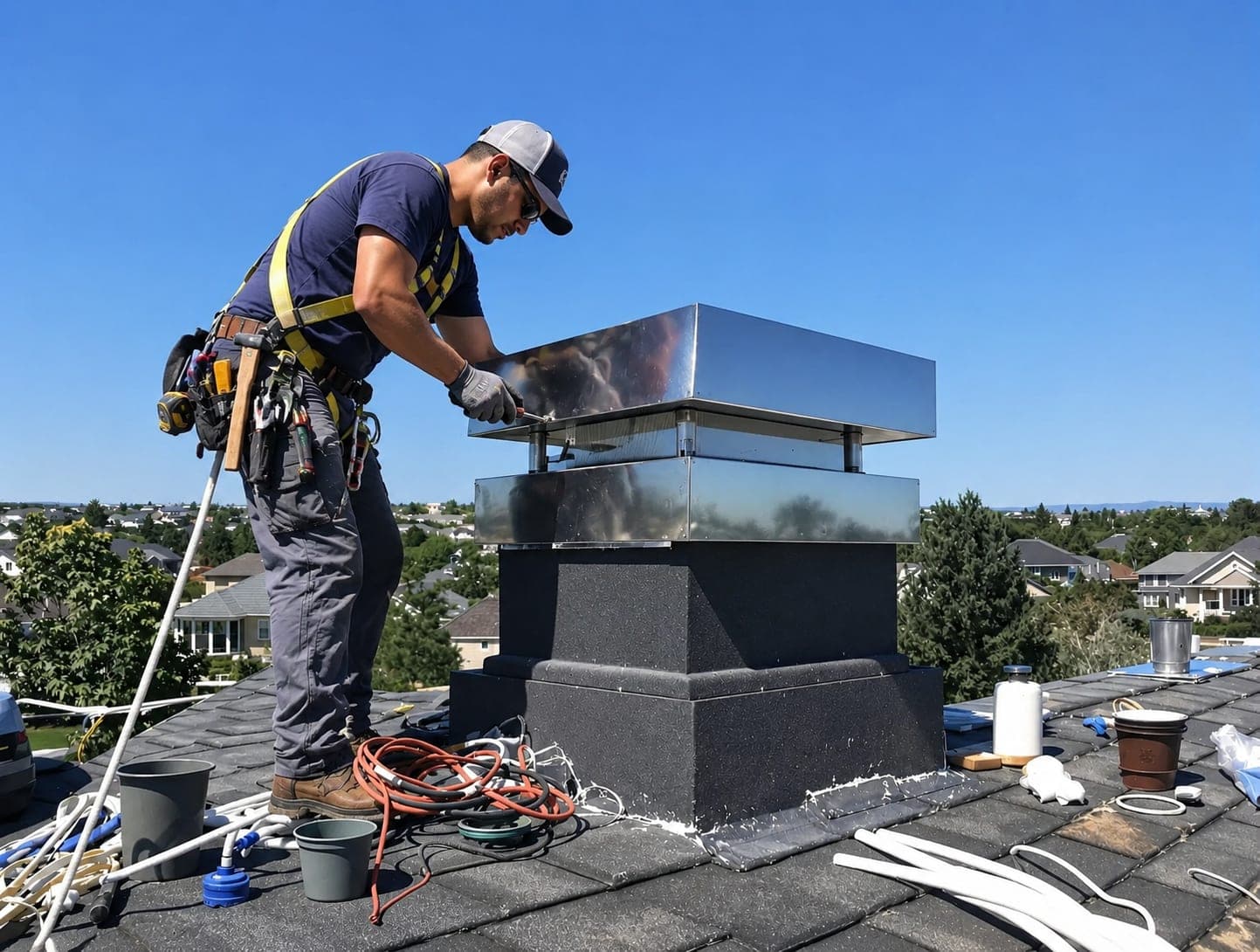
- A clogged roof vent, where lint and debris collect at the top and are hard to see from the ground.
Vent or appliance? Telling them apart
A dryer that heats but takes too long usually points to restricted airflow in the vent. The heat is there, but the moist air can't get out. A clogged dryer vent is the most common reason for that pattern.
A dryer that produces no heat at all, makes grinding or squealing noises, won't tumble, or has dried slowly ever since it was installed points to the appliance itself or how it was set up. Vent cleaning does not fix every slow dryer. If the vent checks out clear and airflow is good, the machine needs an appliance repair technician, which is not work we do.
| Feature | Points toward the vent | Points toward the dryer itself |
|---|---|---|
| Heat | Dryer gets hot, sometimes too hot | Little or no heat |
| When it started | Gradually got slower over months | Sudden change, or slow since installation |
| Outside vent | Weak airflow, lint at the opening, flap barely moves | Strong, warm airflow at the opening |
| Other clues | Humid laundry room, hot exterior, burning smell | Odd noises, drum not turning, error codes |
Heat
- Points toward the vent
- Dryer gets hot, sometimes too hot
- Points toward the dryer itself
- Little or no heat
When it started
- Points toward the vent
- Gradually got slower over months
- Points toward the dryer itself
- Sudden change, or slow since installation
Outside vent
- Points toward the vent
- Weak airflow, lint at the opening, flap barely moves
- Points toward the dryer itself
- Strong, warm airflow at the opening
Other clues
- Points toward the vent
- Humid laundry room, hot exterior, burning smell
- Points toward the dryer itself
- Odd noises, drum not turning, error codes
How urgent is it, and when to stop using the dryer
Slow drying from a clogged vent is more than an inconvenience. Lint is highly flammable, and a restricted vent makes the dryer run hotter and longer. Get it checked soon rather than living with extra cycles.
Stop using the dryer if it overheats
If the dryer or clothes are too hot to touch comfortably, you smell burning, or you see smoke, turn the dryer off and unplug it if it is safe to do so. For a gas dryer, also shut off its gas supply if you can reach the valve safely. Don't use it again until the vent and dryer have been checked. If there is smoke or fire, leave the house and call the fire department from outside.
What normally fixes it
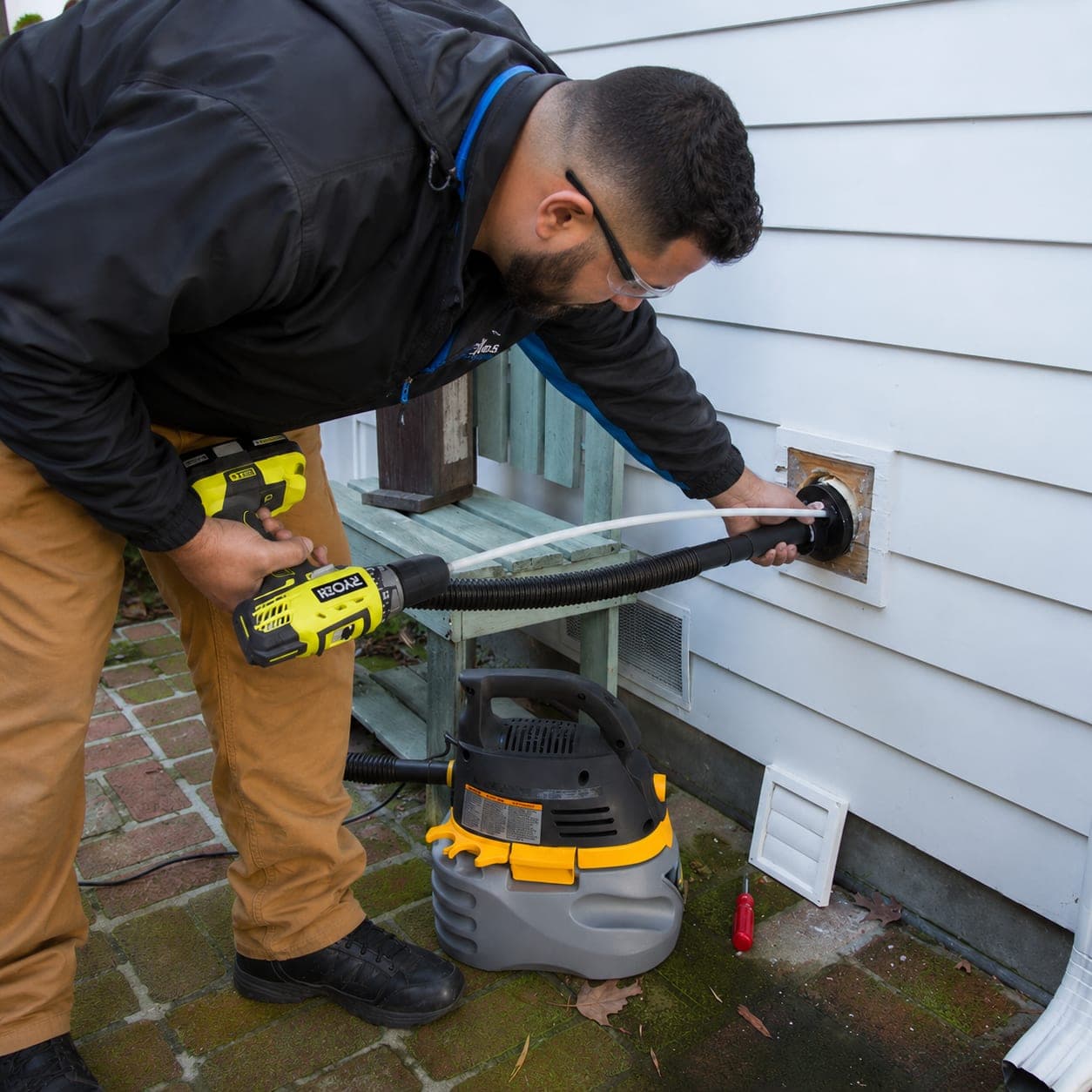
When the vent is the problem, the usual fix is cleaning the full run from the dryer connection to the outside opening, removing packed lint and debris, and checking that air moves freely when the dryer runs. Our dryer vent cleaning service covers that full run, and you can read how a dryer vent cleaning visit works before you book.
When something more solid is in the way, such as a nest, a wad of compressed lint or debris at the exterior cover, dryer vent blockage removal clears it. If the problem turns out to be a crushed hose, a disconnected section or a vent run that is simply too long, cleaning alone won't fix it: dryer vent repair replaces damaged duct and reconnects separated sections, and dryer vent rerouting shortens or straightens a run with too many bends.
What not to do
- Don't keep running extra cycles on an overheating dryer and hope it improves.
- Don't push the dryer tight against the wall; that crushes the hose behind it.
- Don't poke at the duct with sharp tools or a leaf blower; it can tear the duct or push lint deeper.
- Don't leave a dryer running while no one is home or while you sleep if it has been drying slowly or running hot.
Cleaning the lint screen before every load is still worth doing. It just doesn't reach the lint that has built up inside the duct. Estimates are free, so get in touch if your dryer has slowed down.