On this page
What refractory panel replacement involves
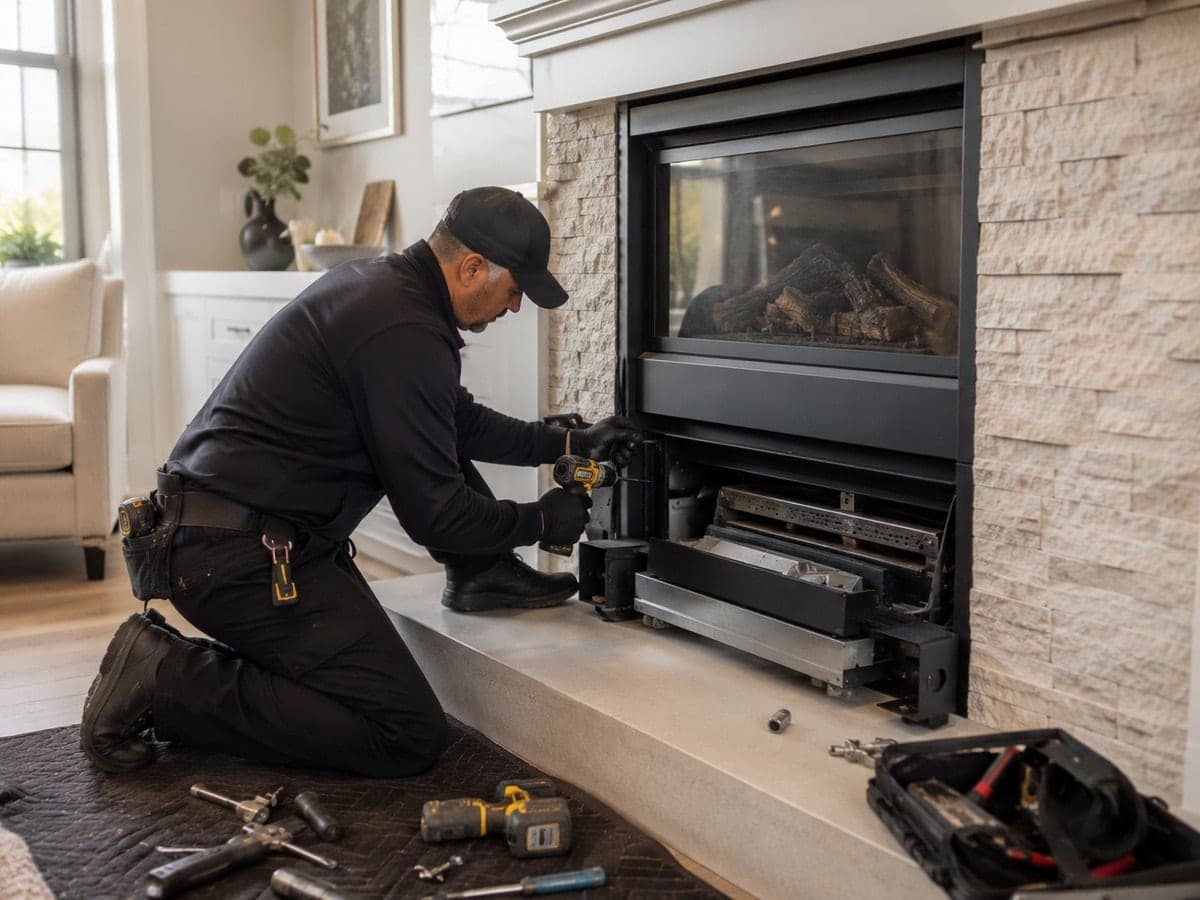
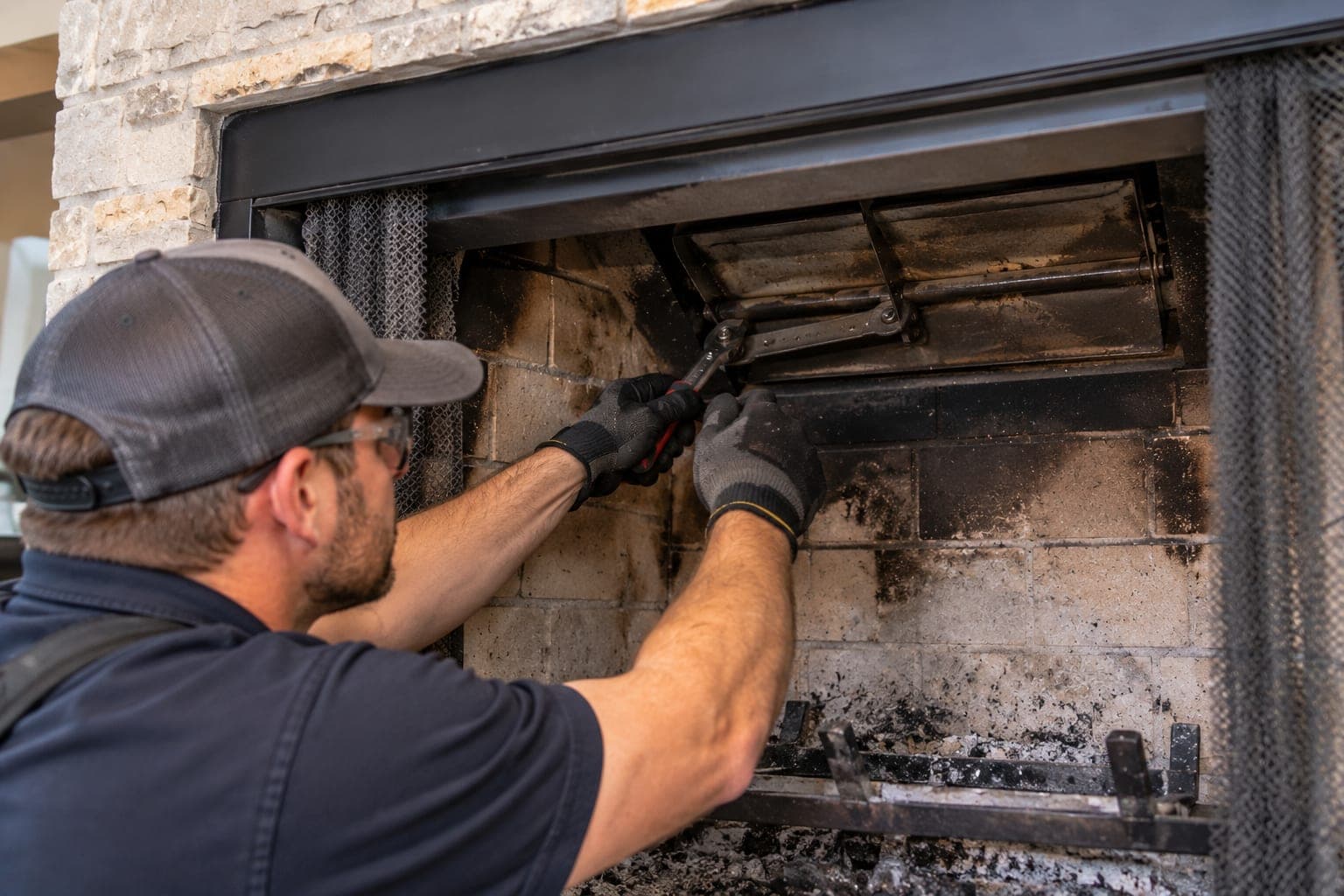
Most prefab (factory-built) fireplaces have a metal firebox lined with cast refractory panels on the back, the sides and often the floor. The panels hold up to direct flame and keep that heat off the steel shell and the framing around it. They aren't permanent. Years of heating and cooling, logs dropped against the back wall and moisture all wear them down.
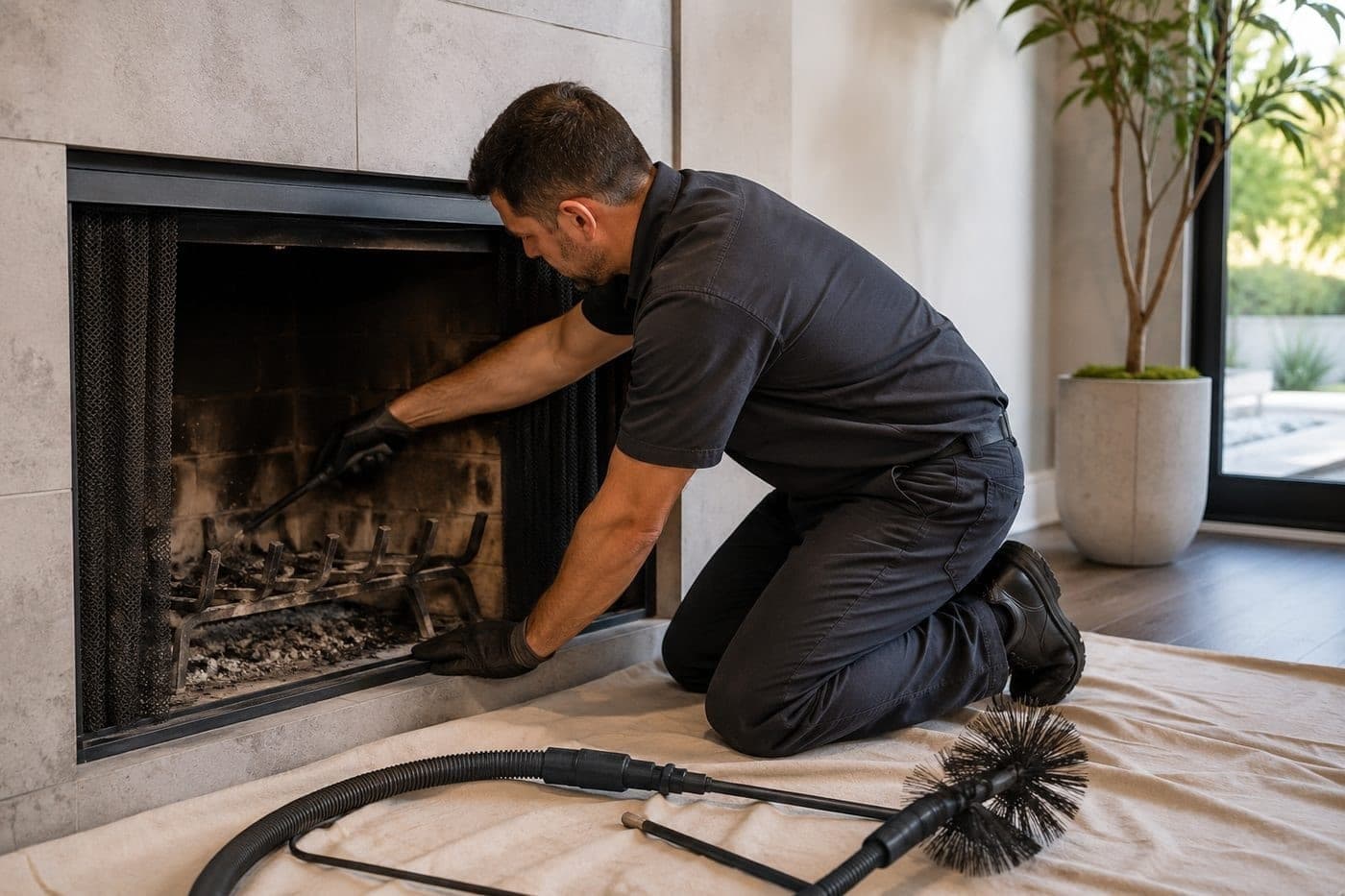
Refractory panel replacement means taking out the worn panels and installing new ones made for that exact fireplace. Panels are cut to fit a specific model, so a generic panel trimmed to size is not a substitute. Masonry fireplaces are lined with firebrick and mortar rather than panels, and that work falls under our fireplace repair service.
Signs your fireplace needs new refractory panels
Look for these inside a cold firebox
- Cracks that have opened into gaps instead of staying hairline-thin
- Pieces chipped off or missing, especially at corners and along the bottom edge
- Bare metal showing through a panel or between panels
- Panels that lean, shift or have pulled away from their brackets
- Crumbling or flaking surfaces that leave grit on the hearth
- A panel that has fallen out completely
Fine surface crazing is normal on a well-used panel, and many owner's manuals allow some cracking. The manual for your model sets the limit. If you can't find the manual or aren't sure whether a crack has gone past it, an inspection will answer the question before you light another fire.
Stop using the fireplace if metal is exposed
When a panel is broken through or missing, flame and heat reach the steel firebox directly. That can warp the metal and carry heat toward the framing around the unit. Leave the fireplace cold until the panels are replaced.
What the visit involves, step by step
From inspection to a working firebox
Inspect the firebox
With the fireplace cold, we check every panel and note which ones are cracked, loose or missing.
Identify the model
We read the unit's data plate so the replacement panels match the manufacturer and model. Panels often have to be ordered, so the installation may take a second visit.
Remove the damaged panels
We take out the grate, then the retaining brackets or screws, and lift out the old panels.
Check the metal behind
With the panels out, we look at the steel firebox for warping, rust or burn-through. Damage there changes the job, and we explain what we find before going further.
Fit the new panels
The new panels go in the order the manufacturer specifies and are secured with the correct hardware.
Reassemble and walk you through it
We put the grate back in place and show you how to load wood so the new panels last.
Panel types: wood-burning and gas units
Wood-burning prefab fireplaces use dense cast panels, sometimes molded with a brick pattern. Some gas fireplaces use refractory panels too, often lighter decorative liners set behind the logs. We handle both, and gas fireplace and gas appliance work is offered, so the burner and log set can be checked during the same visit. We work on all major brands.
Panels aren't always the only problem. Cracked or clouded doors can be handled through glass replacement and door repair. If the metal firebox itself is warped or rusted through, new panels won't fix it, and replacing the prefab fireplace may be the better option.
Keeping new panels in good shape
- Set logs down gently instead of tossing them against the back wall.
- Use a grate that fits the firebox and doesn't push against the back panel.
- Build fires of the size the manual recommends rather than overloading the firebox.
- Burn dry, seasoned wood, and never use the fireplace to burn trash.
- Look over the panels each season while the fireplace is cold, so you catch a widening crack early.
Booking refractory panel replacement
Emergency calls are accepted. Commercial and property-manager work is offered as well, so landlords and managers can book panel replacement for their units. Call or request an estimate, and if you can, have a photo of the damaged panels and the fireplace's data plate ready.