On this page
What chimney liner repair involves
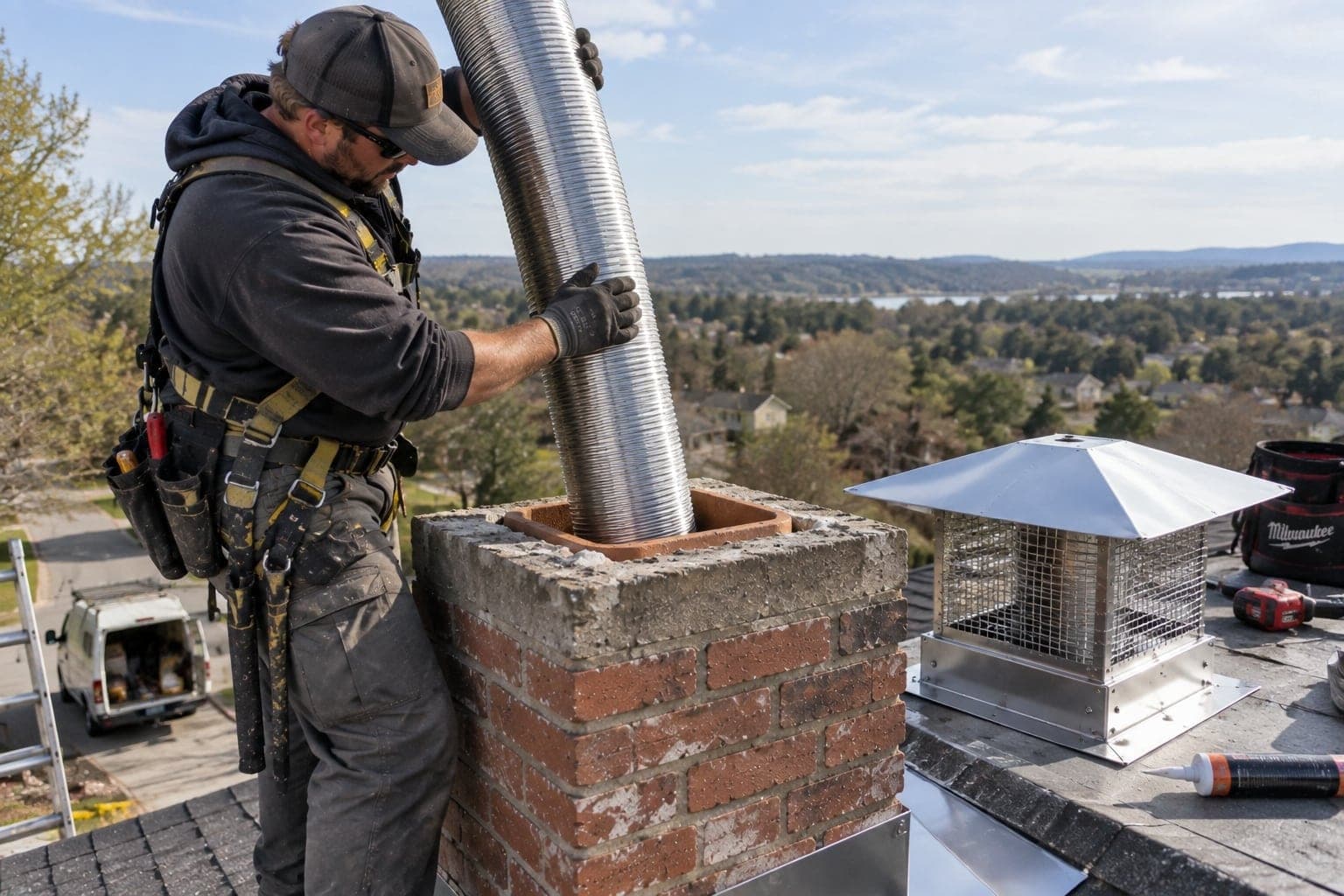
The liner is the inner wall of the flue. It carries smoke, heat and combustion gases up and out, and it keeps them away from the masonry and framing around the chimney. In most homes it is one of three types: clay tile sections stacked and mortared together, a stainless steel liner, or a cast-in-place liner formed inside the flue. Chimney liner repair means fixing the damaged part of that inner wall so it is continuous and sealed again.
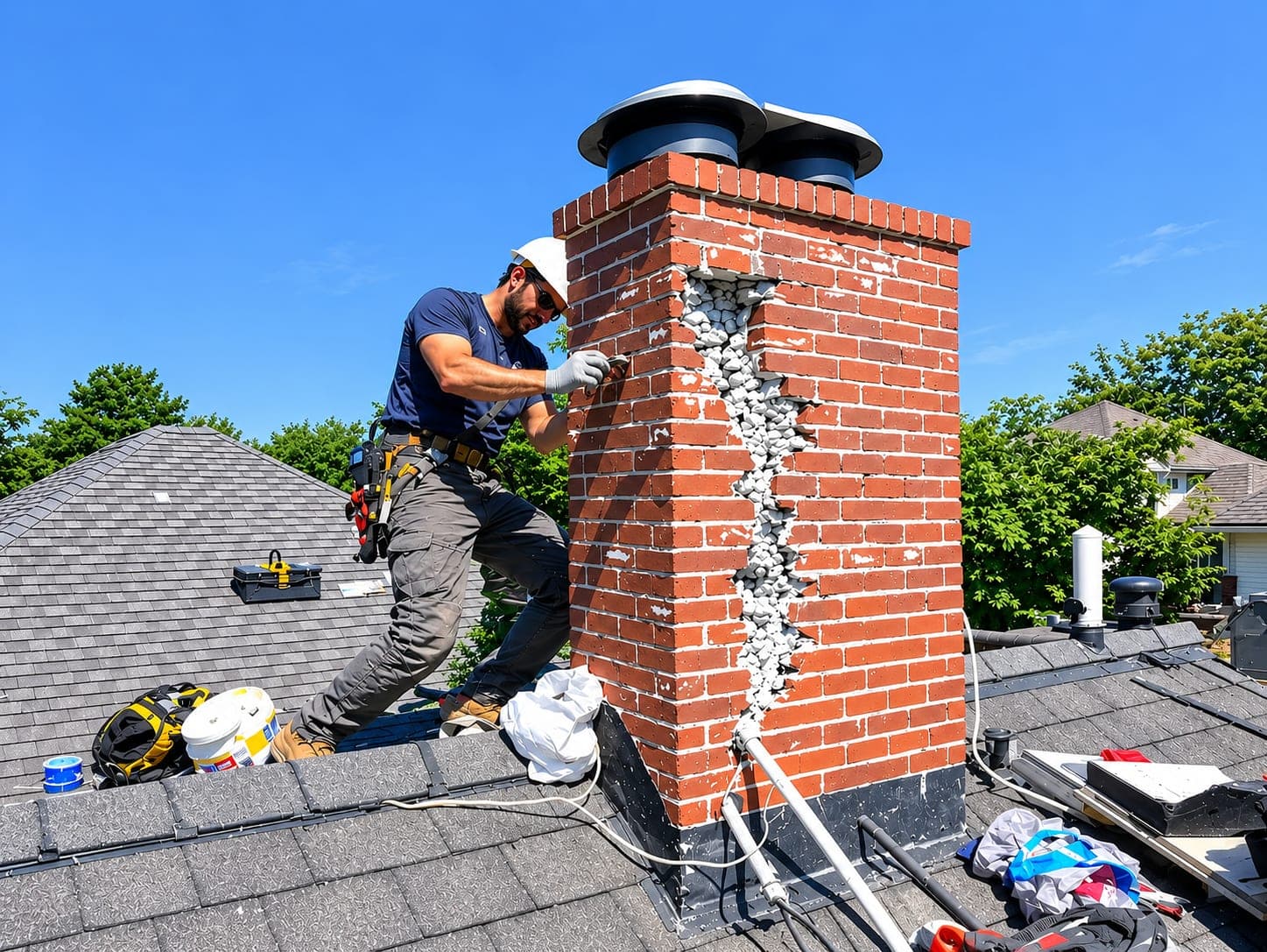
What the repair looks like depends on the liner and the damage. Open or eroded mortar joints between clay tiles can be resealed. Damaged sections at the top of the flue can sometimes be addressed directly. A metal liner with a failed connection or a damaged top section can have those parts repaired. When the damage runs the length of the flue, or the liner is collapsing, patching isn't honest value, and the better answer is a new liner put in through our chimney liner installation service. We'll tell you which situation you're in before any work starts.
Signs your chimney liner needs repair
Common signs of liner damage
- Thin, curved pieces of tile or flakes collecting in the firebox or on the smoke shelf
- A smoky or acrid smell in the room, especially when the fireplace isn't in use
- Smoke that seems slow to clear or that drifts back into the room
- Rust, flaking metal or loose sections on a stainless liner or at its top
- Staining or moisture on the chimney's interior walls or nearby ceilings
- A known or suspected chimney fire, even a brief one
- An inspection report that mentions cracked tiles, gaps or missing mortar
Some of these signs share causes with other problems. Water staining, for example, can come from failed flashing or a damaged crown rather than the liner, and that calls for fixing the source of the water through chimney leak repair. On factory-built chimneys, a rusted or cracked metal top can let water run straight into the flue, and a chase cover replacement is often part of stopping liner damage from coming back.
What the visit looks like, step by step
From first look to finished repair
Talk through what you've noticed
We ask what you've seen, smelled or found in the firebox, how often you use the fireplace or appliance, and what fuel it burns.
Inspect the flue
We look at the liner from the firebox and the top of the chimney. We use a camera inspection where the damage can't be seen directly, so you can see the condition of the flue's full length.
Explain the findings
You get a plain explanation of what is damaged, what likely caused it and whether repair or relining is the sensible fix. You also get a free estimate.
Prepare the work area
We protect the hearth and room and clean the flue where needed so the repair bonds to sound material.
Repair the liner
We reseal joints, fix damaged sections or repair metal components, depending on what the inspection found.
Check the result
We look over the repaired areas and talk with you about safe use and upkeep going forward.
Liner types and what tends to go wrong
| Liner type | Typical problems |
|---|---|
| Clay tile | Cracked tiles, eroded or missing mortar joints, flaking from heat or moisture |
| Stainless steel | Corrosion, loose or failed connections, damage at the top termination |
| Cast-in-place | Cracking or surface breakdown in sections of the formed lining |
Fuel type matters too. Wood smoke leaves creosote, and the exhaust from gas appliances is moist and can be corrosive to liners that weren't suited to it. We work on wood-burning fireplaces and stoves, and we also work on gas fireplaces and gas appliances. Our work covers all major brands.
Safety and keeping the liner in good shape
Hold off on fires if you suspect liner damage
A cracked or gapped liner can let heat and combustion gases reach the materials around the flue. If you find tile pieces in the firebox, smell smoke when nothing is burning or have had a chimney fire, stop using the fireplace or appliance until the flue has been inspected. Make sure your carbon monoxide alarms are working.
- Have the flue swept and inspected on a regular schedule, so small cracks are found before they spread.
- Burn dry, seasoned wood to limit creosote buildup inside the liner.
- Keep water out of the top of the chimney. Our guide on whether you need a chimney cap explains how caps protect the flue.
- If the inspection turns up damage beyond the liner, reading about when chimney repair beats a rebuild can help you weigh your options.
Booking chimney liner repair
Get in touch to describe what you're seeing and set up a visit. Commercial and property-manager work is offered, so landlords and managers can book liner repair for the buildings they look after.