On this page
What chimney liner installation involves
A chimney liner is the inner channel that carries smoke and exhaust gases up the chimney. In many masonry chimneys it is a stack of clay tiles. In others it is a metal liner. Some older chimneys have no liner at all. Chimney liner installation means fitting a new, continuous liner inside the existing chimney. That new liner either replaces a failed one or lines a flue that never had one.
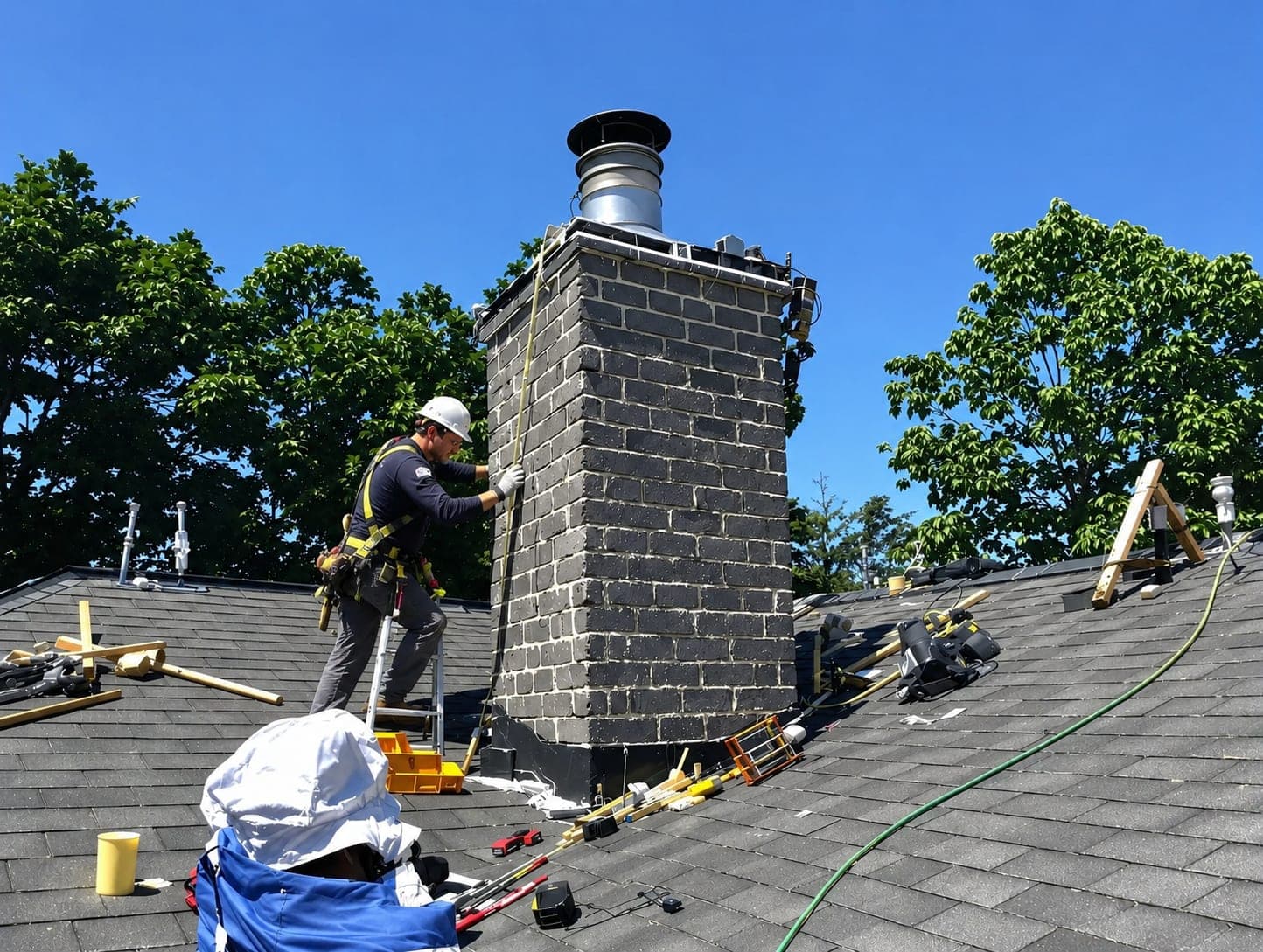
The new liner has to match three things: the appliance it serves, the fuel being burned, and the size and shape of the chimney. A liner that is too large for a stove or insert can draft poorly and collect creosote faster. A liner that is too small can starve the fire of draft. Sizing is part of the job, not an afterthought.
When a home needs a new liner
Liner problems are usually found during an inspection, because most of the liner can't be seen from the firebox. These are the situations that most often lead to a new liner:
- Cracked, shifted or missing clay tiles. Gaps let heat and gases reach the brick and any nearby wood framing.
- Damage after a chimney fire. Fast, intense heat can crack tiles along much of the flue's length.
- An unlined chimney. Older masonry chimneys were sometimes built with no liner at all.
- A new or different appliance. Adding a wood stove, a fireplace insert or a gas appliance usually means a liner sized to that appliance.
- Persistent draft problems. Smoke rolling into the room or a fire that won't draw can point to an oversized or damaged flue.
- Deterioration from moisture and combustion byproducts. Over time these can erode mortar joints and the tile surface.
Not every liner problem calls for a full replacement. Isolated damage can sometimes be fixed, and our chimney liner repair service covers those cases. The comparison below shows how the two usually differ.
| Feature | Liner repair | New liner installation |
|---|---|---|
| Extent of damage | Limited, localized damage | Widespread cracking, missing sections, or no liner at all |
| Appliance | Same appliance, existing liner correctly sized | New stove, insert or gas appliance, or a liner the wrong size |
| After a chimney fire | Only if the inspection shows minor damage | Common when damage runs the length of the flue |
Extent of damage
- Liner repair
- Limited, localized damage
- New liner installation
- Widespread cracking, missing sections, or no liner at all
Appliance
- Liner repair
- Same appliance, existing liner correctly sized
- New liner installation
- New stove, insert or gas appliance, or a liner the wrong size
After a chimney fire
- Liner repair
- Only if the inspection shows minor damage
- New liner installation
- Common when damage runs the length of the flue
Signs of a damaged chimney liner
Worth having checked
- Pieces of tile or flaky shards collecting in the firebox or on the smoke shelf
- Smoke or a burning smell in rooms away from the fireplace
- Heavy creosote buildup that comes back quickly after cleaning
- Water stains or crumbling mortar inside the firebox
- A fire that is hard to start or keeps smoking into the room
Liner materials, components and fuel types
Stainless steel chimney liners
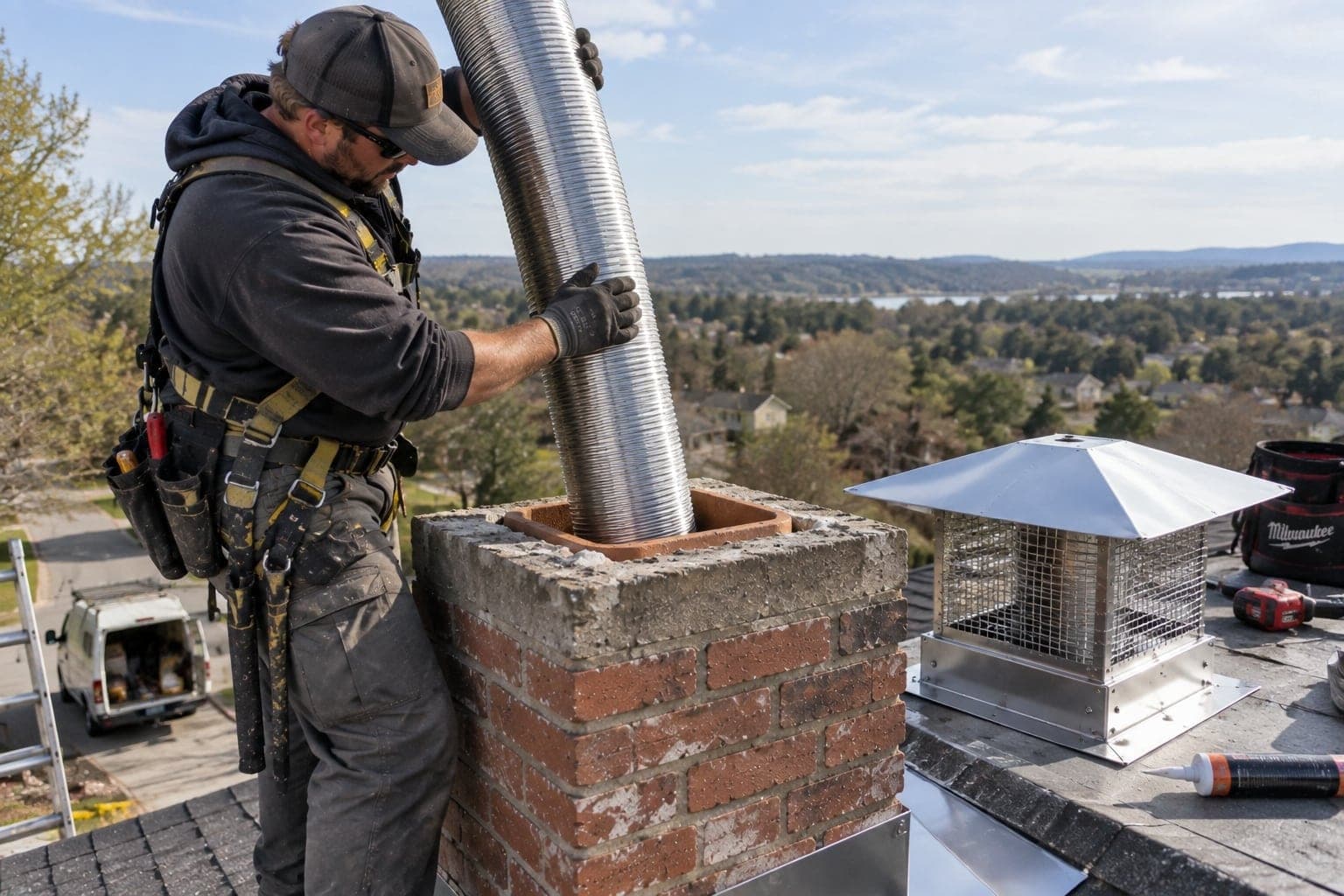
Stainless steel is the most common choice for relining an existing chimney. It comes in two forms. Flexible liners can follow offsets and bends in the flue. Rigid liners suit straight runs. Either type can be installed from the top of the chimney without tearing into walls. The grade of stainless steel is matched to the fuel, and wood-burning and gas appliances place different demands on a liner. Insulation is added around the liner where the chimney's construction and clearances call for it.
Clay tile and cast-in-place liners
Clay tile is the traditional liner in masonry chimneys. It holds up well when it is intact. Once tiles crack or the joints fail, though, replacing them usually means opening up the chimney. Cast-in-place liners are a cement-like mixture formed inside the existing flue. They can suit chimneys where a smooth, continuous lining is wanted inside an irregular flue.
Flue liner installation components
- The liner itself, sized to the appliance outlet
- A connector or adapter joining the liner to the stove, insert or gas appliance
- Insulation wrap where it is called for
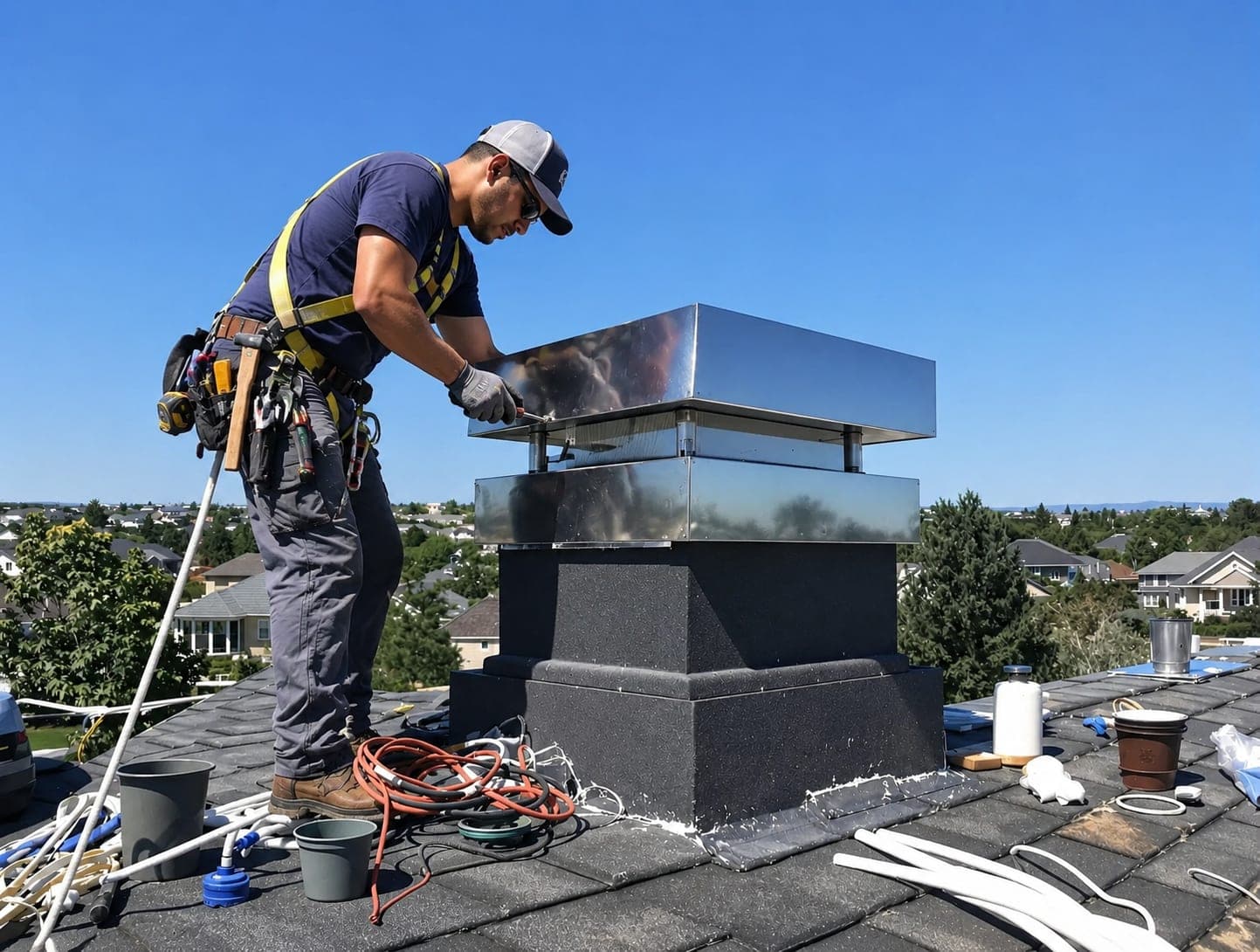
- A top plate that seals the liner at the chimney crown
- A cap at the top to keep out rain, debris and animals
The cap is often fitted at the same visit. Here is how chimney cap installation works, and a chimney animal screen installation can be added where birds or animals have been a problem.
What the visit involves, step by step
From inspection to first fire
Inspect the flue
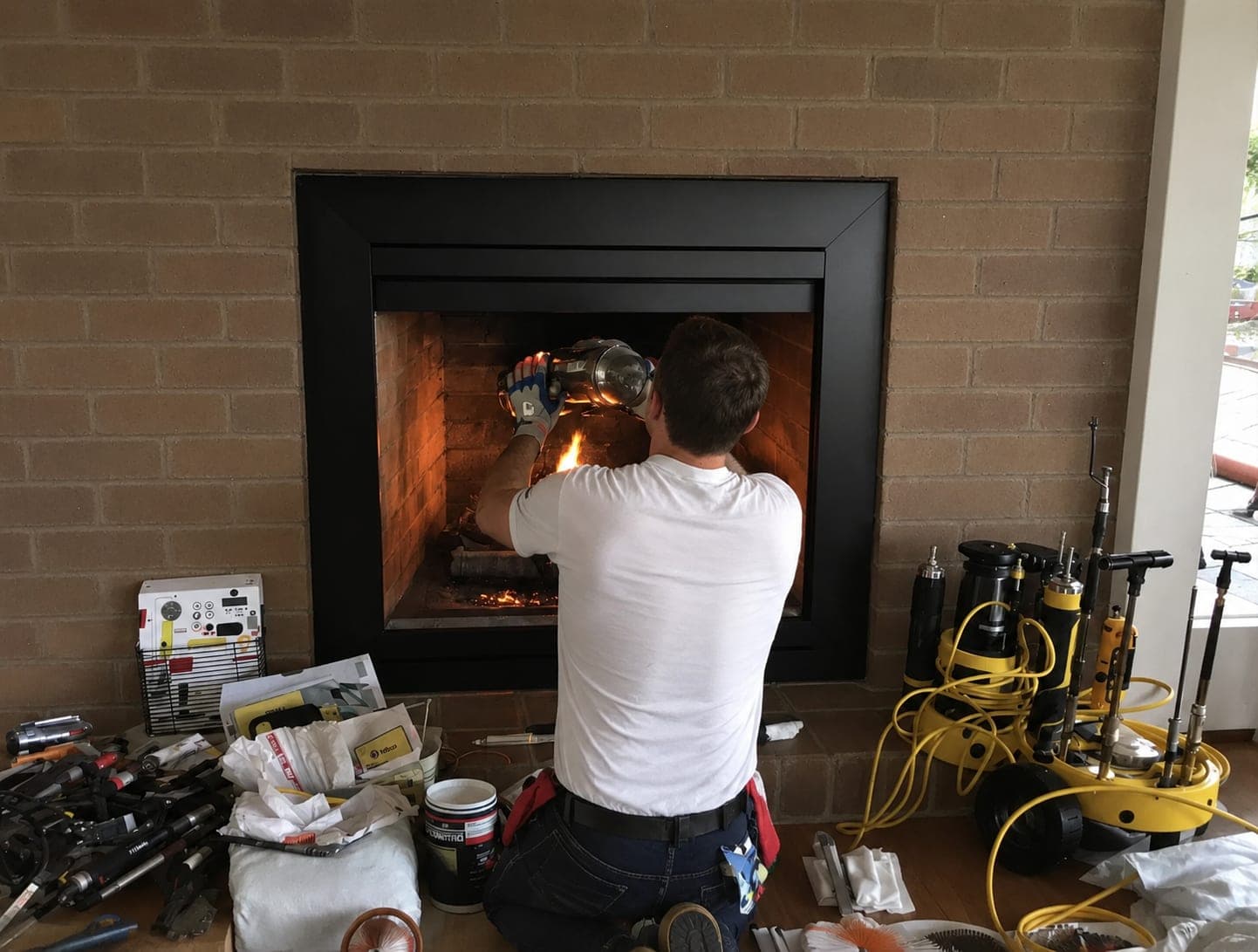
We check the chimney and existing liner, often with a camera, to see the condition and size of the flue and any offsets.
Measure and match
We measure the flue and note the appliance and fuel, so the liner diameter, material and insulation fit the setup.
Prepare the chimney
We sweep the flue and remove any loose tile, debris or obstructions that would get in the way of the new liner.
Install the liner
We lower the liner down the chimney and connect it to the appliance or the fireplace at the bottom.
Seal the top
We fit a top plate at the crown, then install the cap.
Check the draft and walk you through it
We confirm the appliance drafts properly, then explain what was installed and how to look after it.
Safety and maintenance after a new liner
A new liner doesn't mean the chimney never needs attention again. Wood-burning appliances still produce creosote, and a stainless liner still needs regular sweeping. Gas appliances produce less soot, but their venting should still be checked so nothing blocks the flue. Keep the cap in place, burn dry wood in wood-burning appliances, and have the system inspected if you notice smoke spillage, odors or a change in how the fire draws.
Stop using a flue you suspect is damaged
If tile fragments are falling into the firebox, or smoke is showing up where it shouldn't, stop using the fireplace or stove until the flue has been inspected.
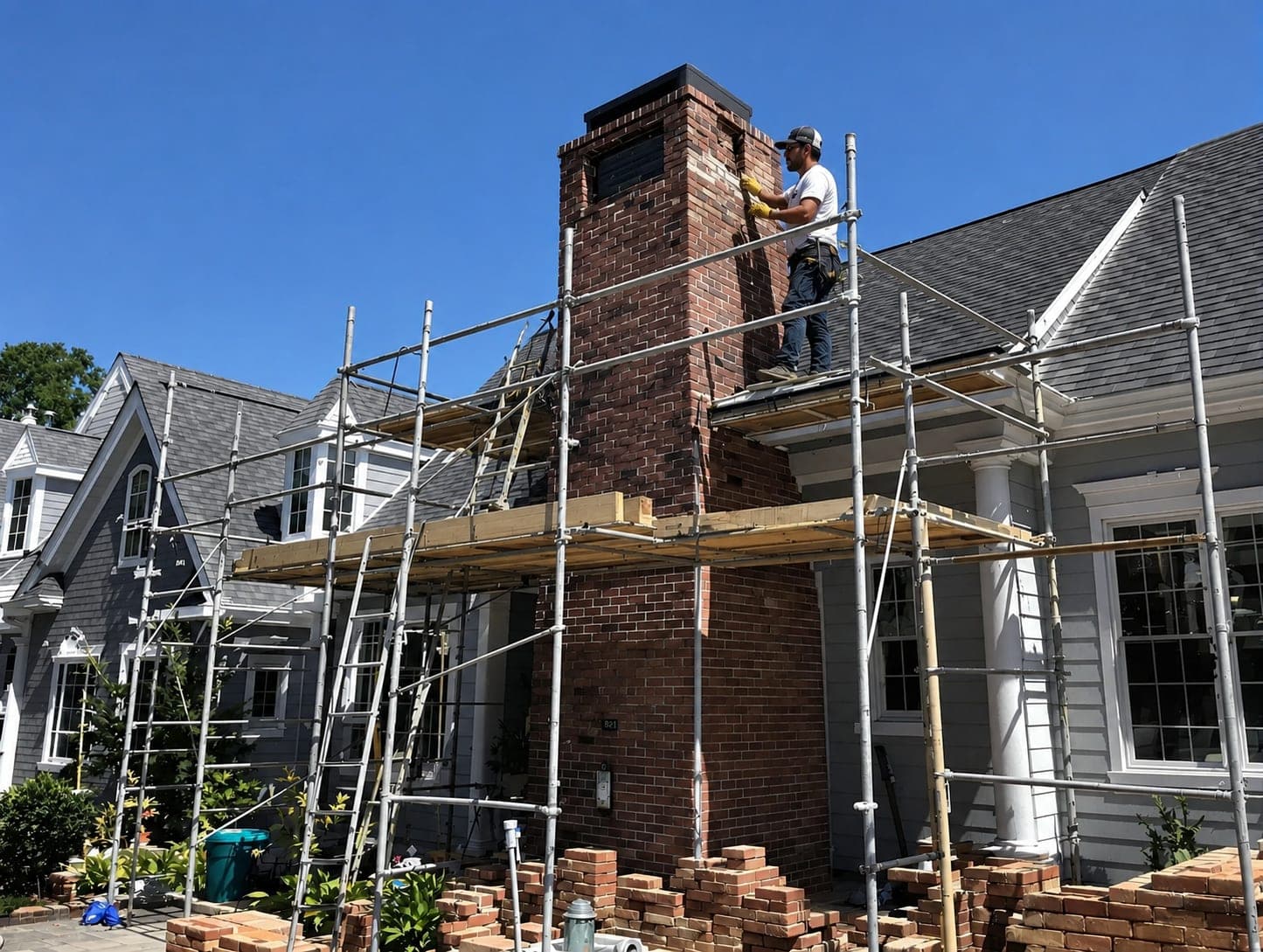
Sometimes the liner is only part of the problem and the masonry around it has failed too. Reading up on chimney repair vs rebuild can help you weigh those options before the estimate. If your chimney has no cap at all, it's worth asking do you need a chimney cap before the liner goes in.
Booking chimney liner installation
Call or request an estimate to get started. We also handle gas fireplace and gas appliance work, take on commercial and property-manager jobs, and work on all major brands of fireplaces, inserts and stoves.
Free estimates.
Tell us about your chimney and appliance, and we'll look at the flue and explain what a new liner would involve.