Chimney liner installation in brief
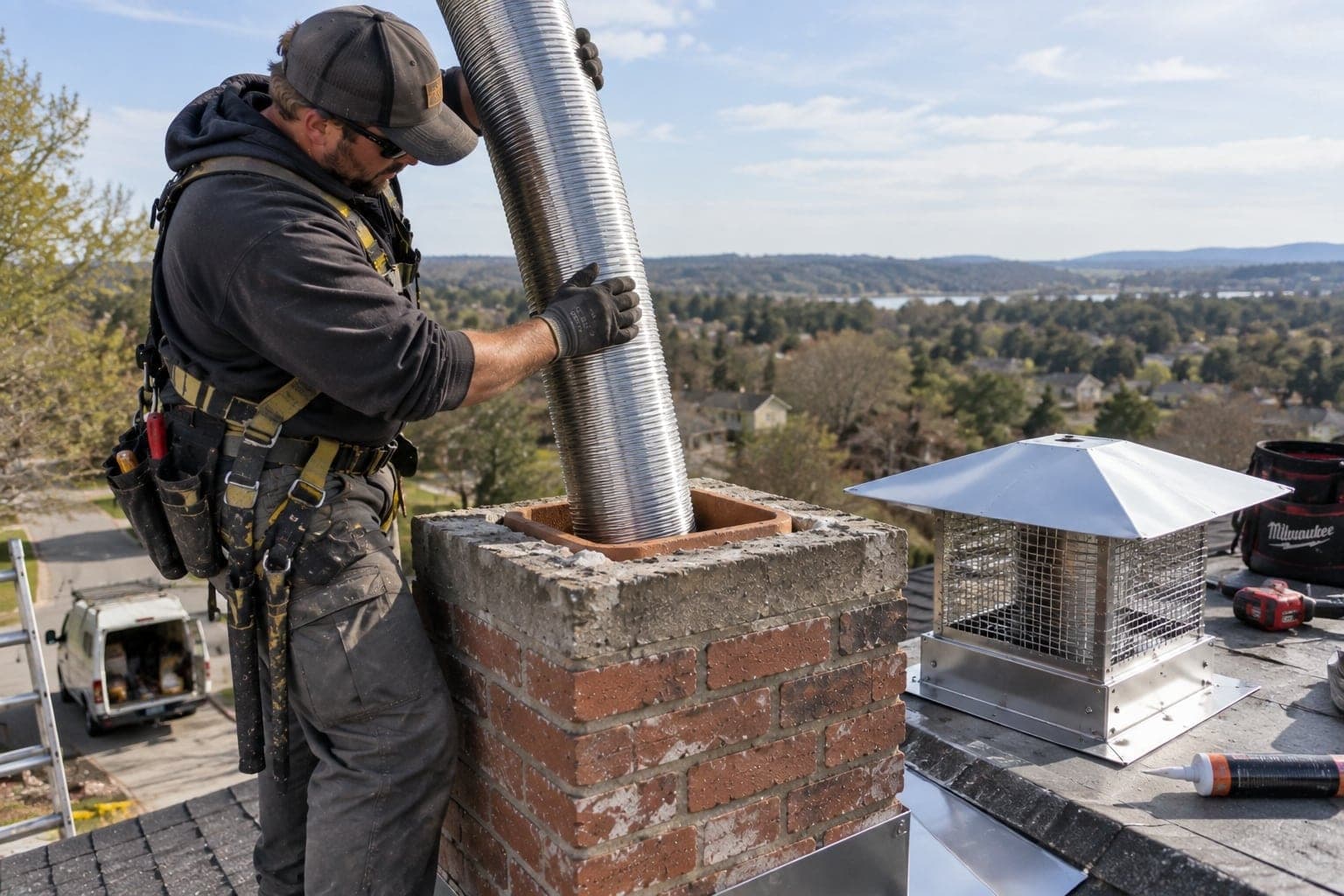
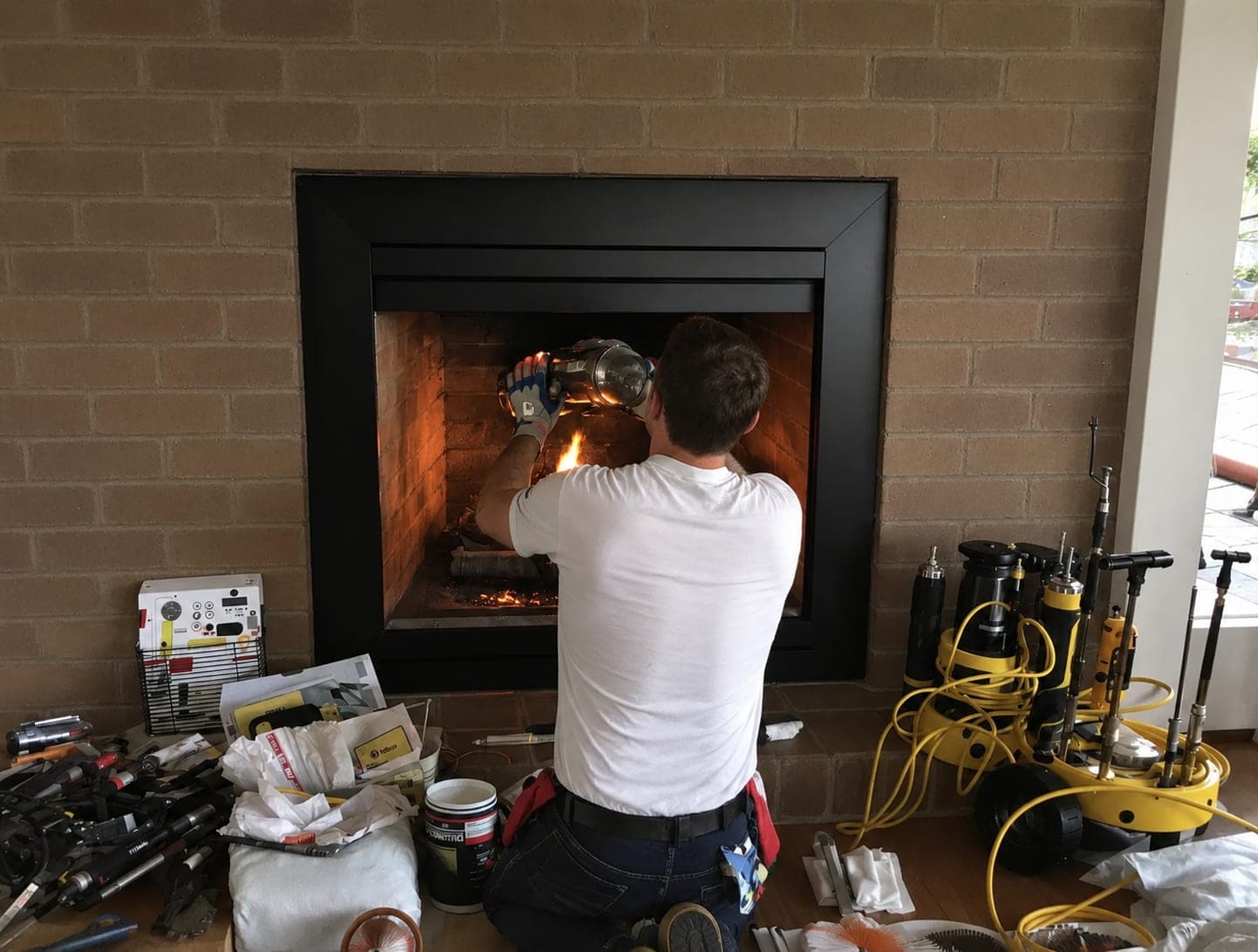
Flue liner installation means fitting a new liner inside an existing chimney. The liner keeps heat, smoke and combustion gases in a sealed channel so they don't reach the masonry or nearby framing. Most jobs use a stainless steel chimney liner sized to the fireplace, insert, stove or gas appliance it serves. We check and clean the flue, take measurements, run the liner from the appliance connection to the top, and finish the termination. For materials, sizing and the full sequence, read how chimney liner installation works.
What Piedmont's rules mean for a new liner
Most liner work happens inside the chimney, where no one sees it. These two city rules deal with what shows on the outside and with what a permitted project has to include.
Low-profile flues and planning permits
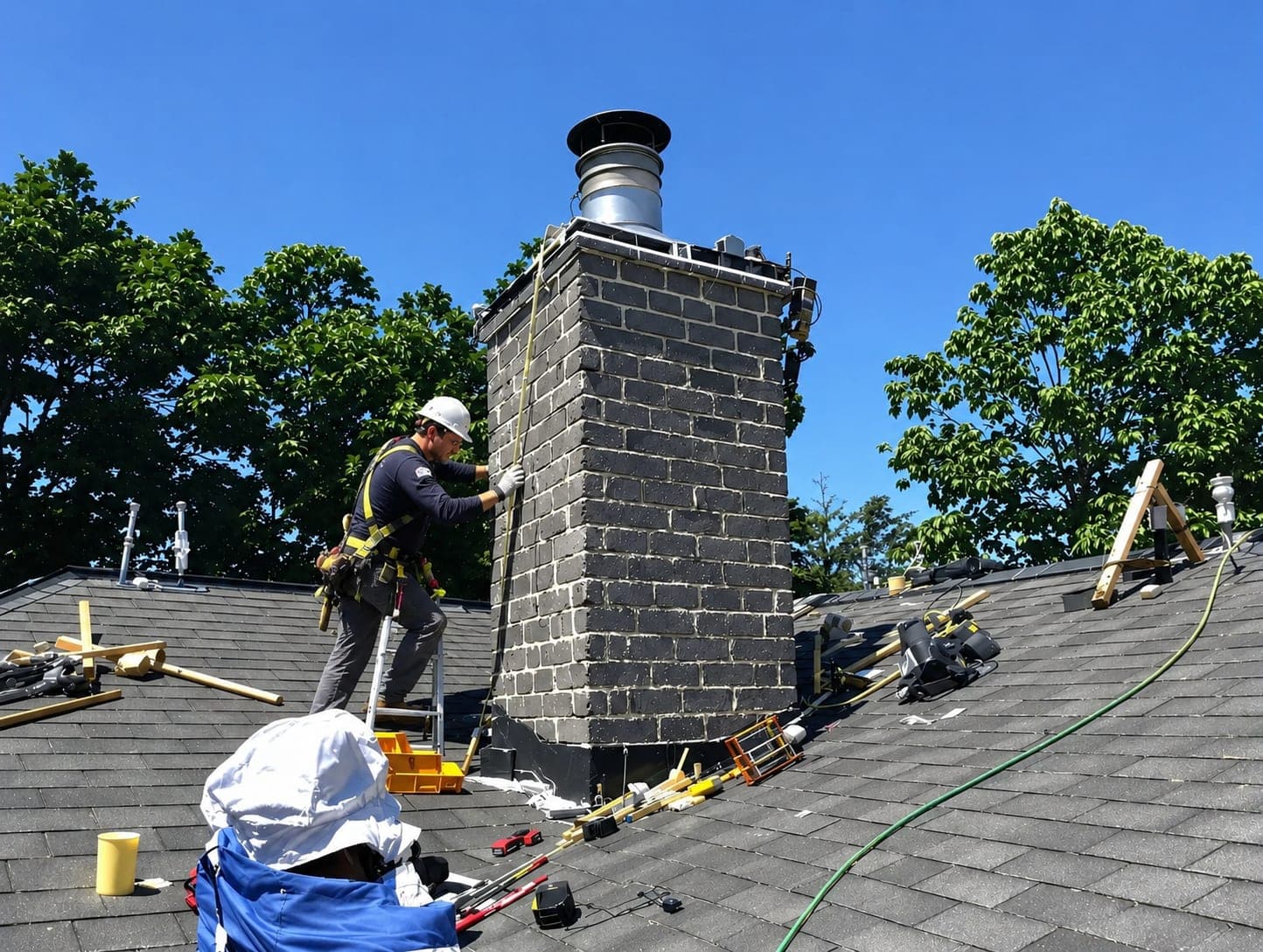
City of Piedmont exempts new or relocated low-profile wall- or roof-mounted flues, vents and spark arrestors from Planning permits if they project less than 12 inches and are painted to match the adjacent wall, roof or chimney. (Source: City of Piedmont - Projects that don't require a Planning permit.)
For a liner job, this applies when the work adds or moves a flue, vent or spark arrestor on a wall or roof. If that piece projects less than 12 inches and is painted to match the surface next to it, it qualifies for the exemption. A taller piece, or one left unpainted, does not qualify for this exemption, so settle the height and finish before installation.
When a building permit brings a spark arrester requirement
Piedmont's local amendment to California Residential Code R1003.9.2 (City Code 8.02.020, effective January 1, 2026) requires a chimney spark arrester whenever a building permit above a set valuation is issued, installed before the final inspection is scheduled. (Source: City of Piedmont - City Code Chapter 8, Building, Construction and Fire Prevention, effective 2026-01-01.)
The requirement is triggered by the permit, not by the liner itself. If your liner is part of work that receives a building permit above that valuation, plan for the spark arrester as part of the same job. It has to be in place before the final inspection is scheduled, not added afterward. We install caps and spark arresters as well as liners. See chimney cap installation for homes in Piedmont for that side of the job.
Before the liner goes in
- Find out whether the project carries a building permit and, if so, whether it is above the city's set valuation.
- If a spark arrester is required, schedule it before the final inspection, not after.
- For any new or moved flue, vent or spark arrestor on a wall or roof, confirm it will project less than 12 inches.
- Pick a paint color that matches the adjacent wall, roof or chimney.
When a liner is the right job
A new liner fits when the chimney structure is sound but the flue is cracked, missing or the wrong size for the appliance it serves. It also fits when you switch to an insert, stove or gas appliance that needs a properly sized flue. If the masonry itself is failing, a liner alone won't fix it. In that case, our guide to chimney repair vs rebuild explains how to weigh the bigger options. Estimates are free, so you can find out which job your chimney needs before committing.
More for Piedmont homeowners
For liner types, sizing and what a typical installation day looks like, go to our chimney liner installation service page. For everything else we handle for homes in the city, start with our Piedmont area page.
Sources (2)
The sources of the Piedmont facts on this page.
- 1City of Piedmont - Projects that don't require a Planning permit
- 2City of Piedmont - City Code Chapter 8, Building, Construction and Fire Prevention (effective 2026-01-01)