Piedmont's spark arrestor rule and your chimney cap
Piedmont's vegetation-management code (City Code 8.14.030, Ordinance 755 N.S.) applies to developed parcels citywide and requires installing a spark arrestor on functioning chimneys or stovepipe outlets. Source: City of Piedmont, Ordinance No. 755 N.S., Adopting Very High Fire Hazard Severity Zone Map and Vegetation Management Requirements.
Who the requirement covers
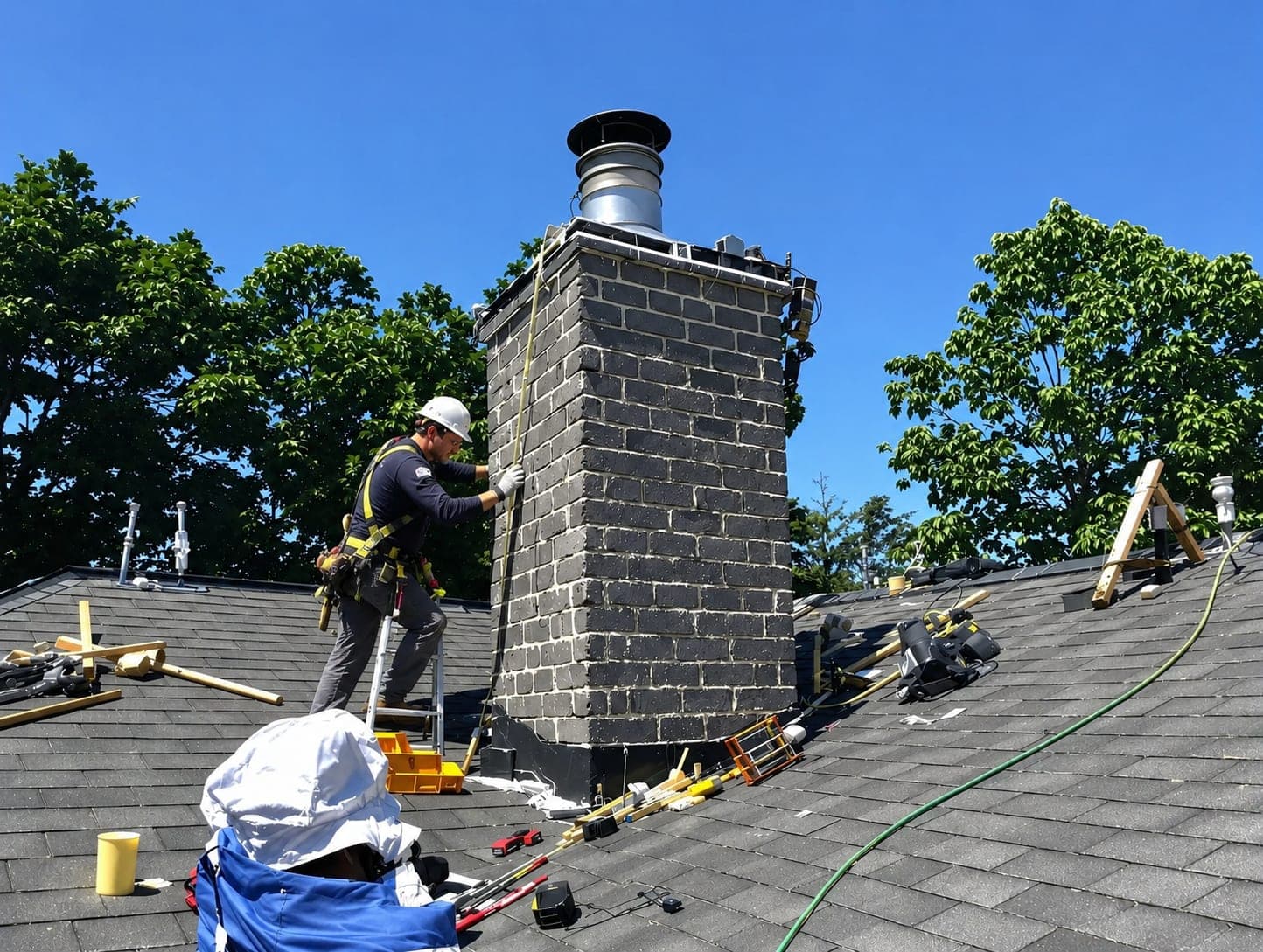
The rule covers developed parcels citywide and applies to functioning chimneys or stovepipe outlets. A working masonry chimney on a house falls under it. So does the pipe from a wood stove that exits through the roof or a wall.
What it changes about installing a cap
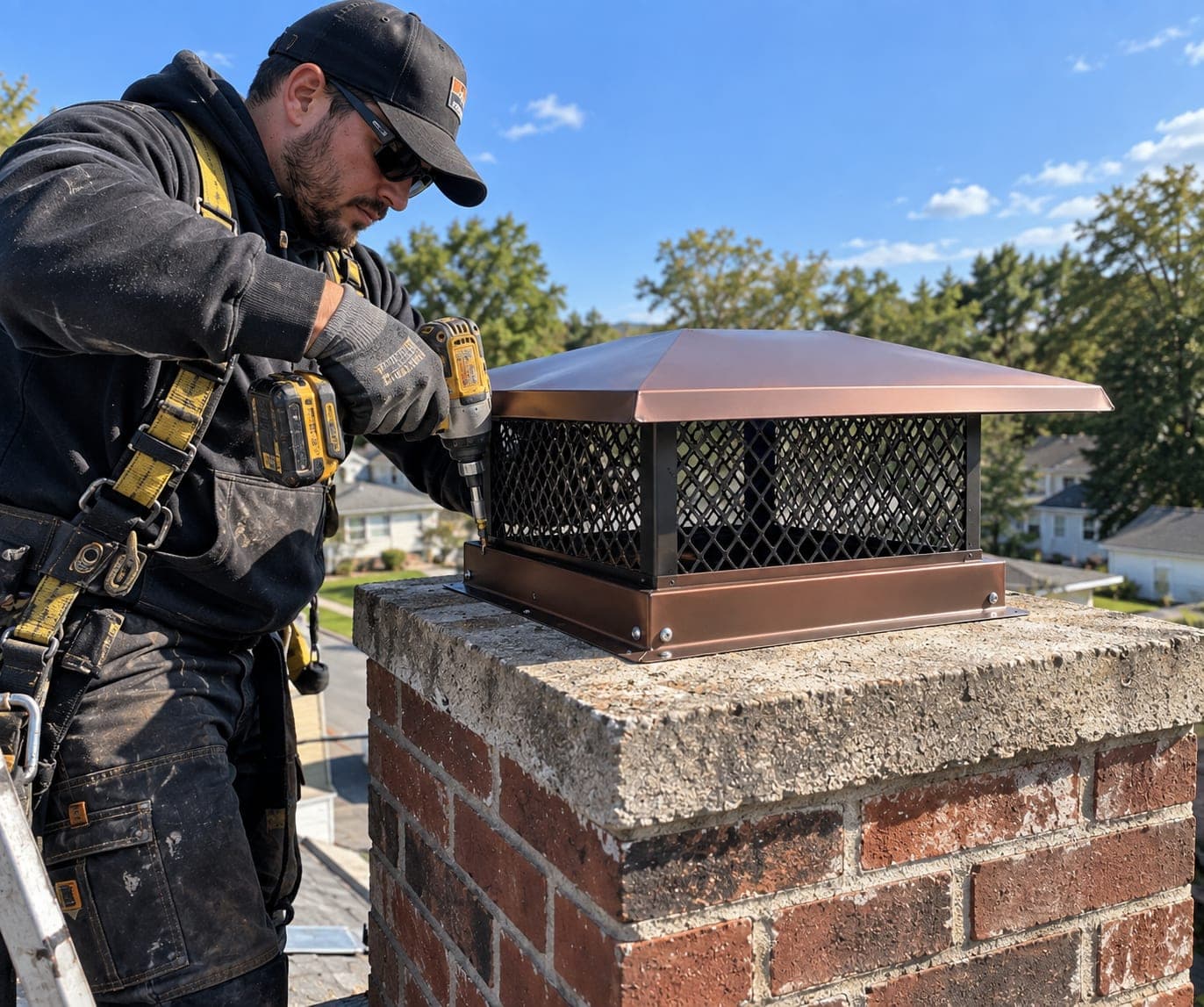
A plain rain cap with no mesh keeps water out, but it doesn't stop embers from leaving the flue. On a chimney or stovepipe that is in use, the cap should come with spark arrestor mesh, or a separate arrestor should go on with it. In practice, these are the points to settle before the cap goes on:
Before a cap goes on a working chimney or stovepipe
- Whether the fireplace or stove is still in use, since the rule names functioning chimneys and stovepipe outlets
- Whether the existing cap, if there is one, already has arrestor mesh and whether that mesh is intact or rusted through
- How many flues come out of the chimney top, since each working flue needs its outlet covered
- What the flue serves: a wood fireplace, a wood stove or a factory-built or gas system.
- The condition of the crown and flue opening the cap will sit on
Arrestor mesh needs upkeep
The same mesh that catches embers also collects soot and creosote over time. A clogged screen can choke the draft, so it's worth having the cap and mesh looked at whenever the chimney is swept.
Chimney cap installation in brief
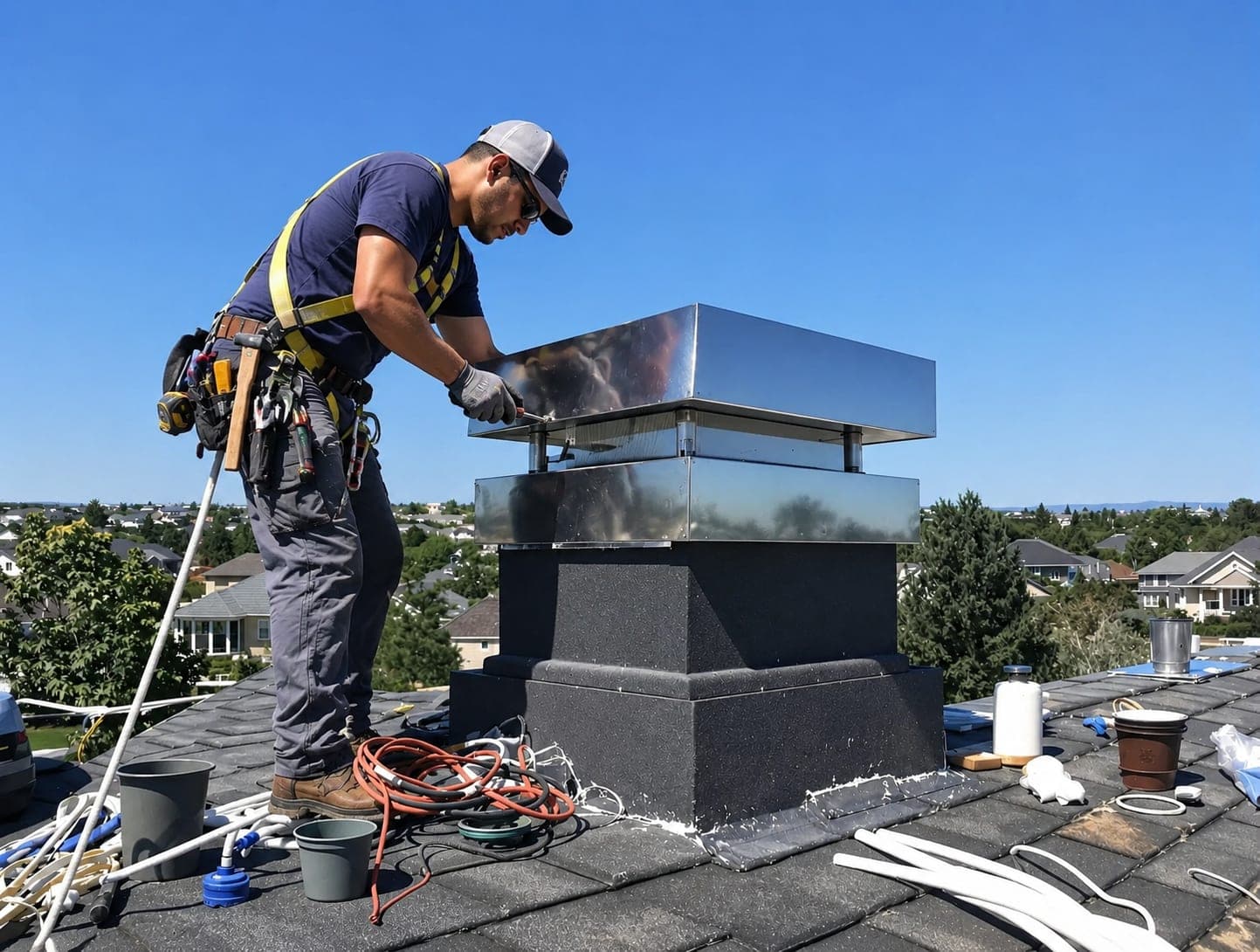
Chimney cap installation starts with measuring the top of the flue, or each flue. Then comes choosing a cap that fits both the chimney and the appliance it serves, and fastening it so wind can't lift it off. The hood sheds rain and keeps leaves out. The mesh sides keep birds and animals from nesting in the flue, and on a spark-arrestor cap they also catch embers. The crown and flue opening get checked first so the new cap isn't covering a problem. Our chimney cap installation service covers the job in more detail.
When a new cap is the right job, and when it isn't
- No cap at all on a working chimney or stovepipe: cap installation with arrestor mesh is the job.
- A cap that's rusted, dented, loose or missing its mesh: Chimney Cap Replacement swaps it for one that fits.
- A sound cap that only lacks arrestor screening: Chimney Spark Arrestor Installation may be enough.
- Birds or animals already inside the flue: Chimney Animal & Nest Removal comes first, and the cap goes on afterward.
- A cracked or crumbling crown under the cap: Chimney Crown Repair should be done before anything is fastened to it.
- A factory-built chimney with a rusted metal top: Chase Cover Replacement may be the better fit.
If you're still deciding whether a cap is worth adding, our guide to whether you need a chimney cap explains what a cap does and doesn't prevent.
Booking a cap for a Piedmont home
Tell us whether the fireplace or stove is in use, and send a photo of the chimney top if you have one. That helps narrow down the cap and mesh before the visit. For the details of the job itself, read how chimney cap installation works. For the chimney, fireplace and dryer vent work we handle in Piedmont, start from the area page.
Sources (1)
The sources of the Piedmont facts on this page.
- 1City of Piedmont - Ordinance No. 755 N.S., Adopting Very High Fire Hazard Severity Zone Map and Vegetation Management Requirements