Chimney rebuild in brief
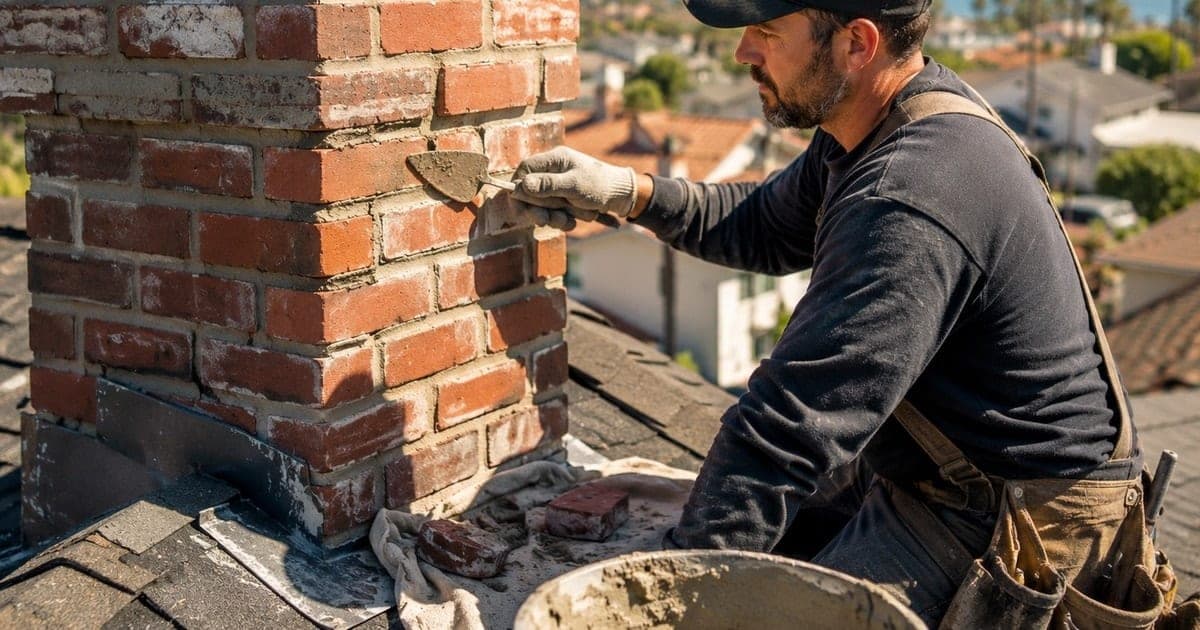
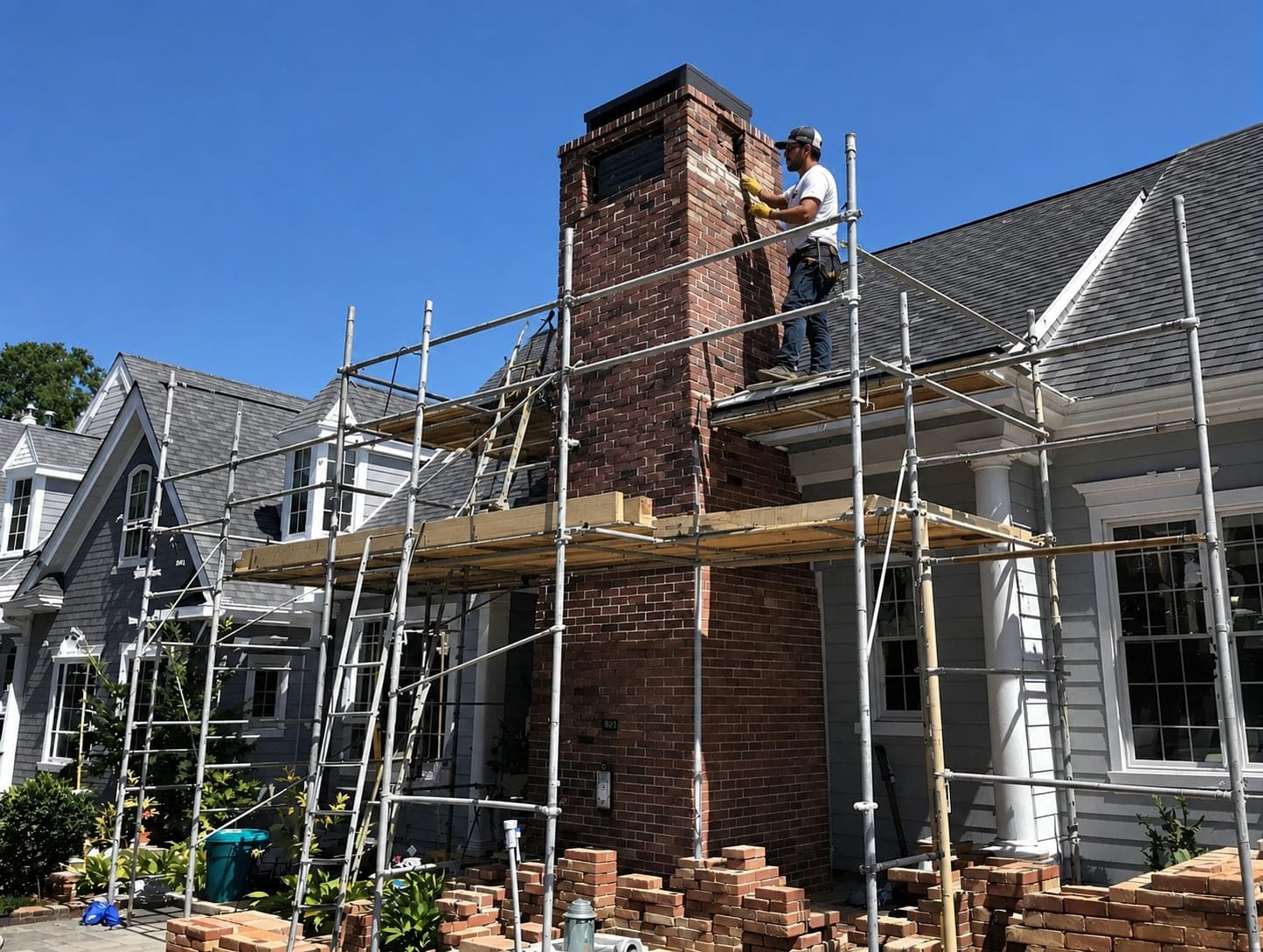
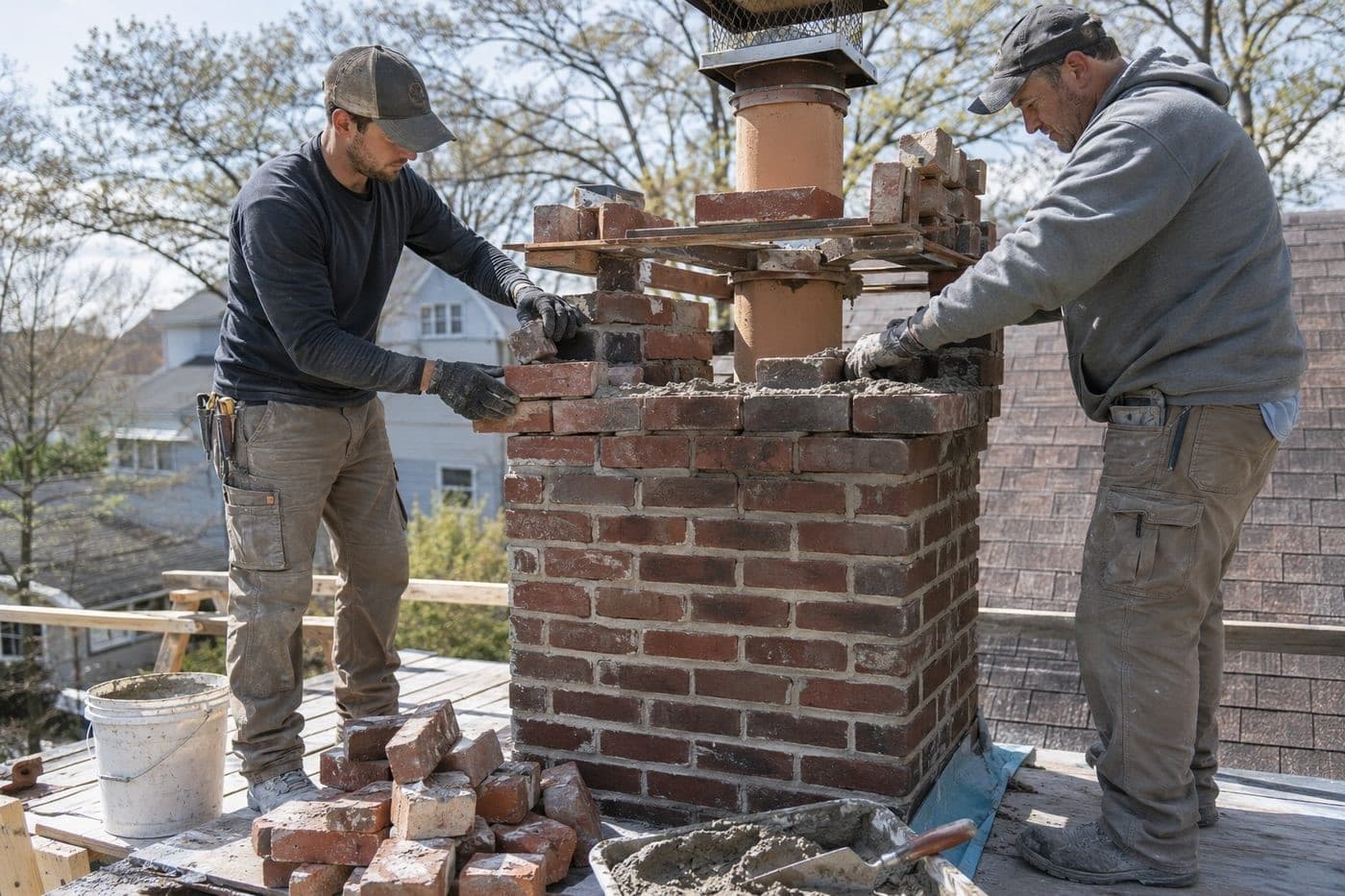
A chimney rebuild takes down the damaged part of a masonry chimney and lays it up again with new brick and mortar. Sometimes that is only the section above the roofline. When the damage runs deeper, the rebuild goes further down the stack. The job finishes with a new crown, flashing tied back into the roof and a cap, so the new masonry is protected from water from the start. Each stage is set out in detail under our chimney rebuild service.
What Mill Valley's planning rules mean for a rebuilt chimney
Two items in the City of Mill Valley's planning documents bear on a chimney rebuild. Both concern how the finished chimney sits on the house: where it can be seen from, and how tall it can be.
Chimneys visible from neighbors or the street
The City of Mill Valley Planning Department's Design Review application checklist asks applicants to show the location of chimneys and flues that would be visible from adjoining properties or the public right-of-way. (Source: City of Mill Valley Planning Department, Design Review Application Submittal Checklist.)
If your rebuild is part of a project going through Design Review, plan for this. A chimney that can be seen from next door or from the street belongs on the plans in its actual position. That matters most when the rebuild changes the chimney's shape or location. Whether a particular rebuild needs Design Review is a question for the Planning Department, so ask before the old masonry comes down.
The 10-foot limit above the building's height limit
The City of Mill Valley's design guidelines quote Municipal Code 20.60.060. Under that code, chimneys and other accessory units mounted on buildings may not exceed 10 feet above the building's height limit. (Source: City of Mill Valley Planning, Multi-Family Residential, Downtown Residential & Mixed Use Design Guidelines and Development Standards.)
The limit is measured from the building's height limit, not from the roof of the house as it stands today. If you plan to raise the chimney during the rebuild, for example to help it draw better, the new top has to stay within that limit.
Worth settling before the old chimney comes down
- Whether the chimney can be seen from adjoining properties or from the street.
- The chimney's current height, and whether the rebuild will change it.
- Whether the project is going through Design Review. Confirm this with the City of Mill Valley Planning Department.
- Whether the fireplace or stove it serves burns wood or gas, since that shapes the liner and cap choices.
Rebuild, repair, or inspect first?
A rebuild is the right job when the masonry itself has failed. Signs include a leaning chimney, a stack pulling away from the house, brick crumbling through rather than only at the joints, or a top section loose enough to move.
When the trouble is limited to worn mortar joints, a cracked crown or failed flashing, smaller masonry repairs are often enough. Our guide to chimney repair vs rebuild explains how to tell the two apart.
If you can't tell how far the damage goes, start with a chimney inspection for homes in Mill Valley. A camera can check the flue from the inside before anyone decides how much masonry to replace.
If the chimney is leaning or shedding brick
Stop using the fireplace, and keep people and pets away from the area below the chimney.
Booking a rebuild
Commercial and property-manager work is offered, as well as work on single-family homes.
For the full sequence from tear-down to cap, read how chimney rebuild works. For the other services available to homes here, see everything we do in Mill Valley.
Sources (1)
The sources of the Mill Valley facts on this page.
- 1City of Mill Valley Planning Department - Design Review Application Submittal Checklist; City of Mill Valley Planning - Multi-Family Residential, Downtown Residential & Mixed Use Design Guidelines and Development Standards