Chimney cap installation in brief
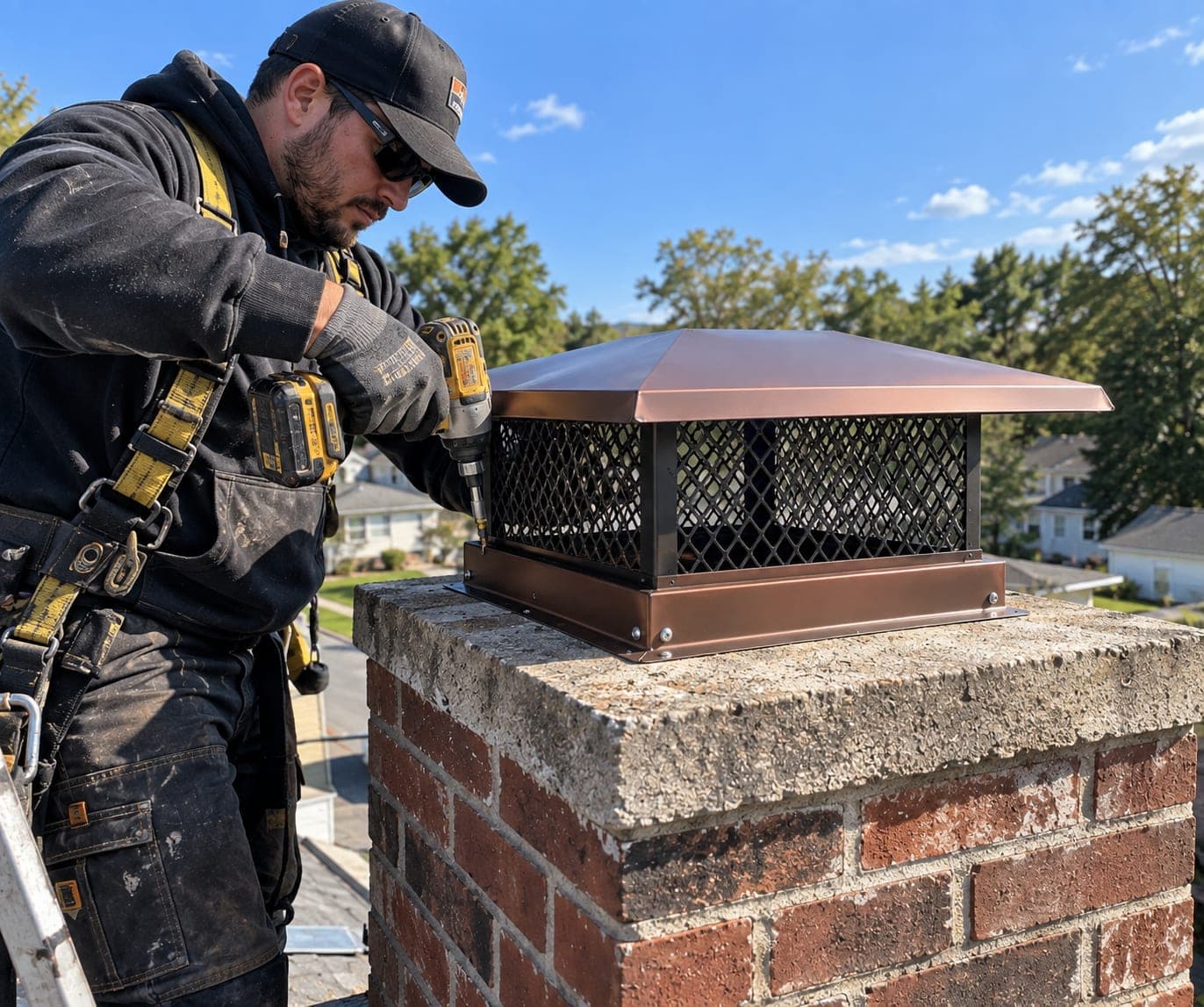
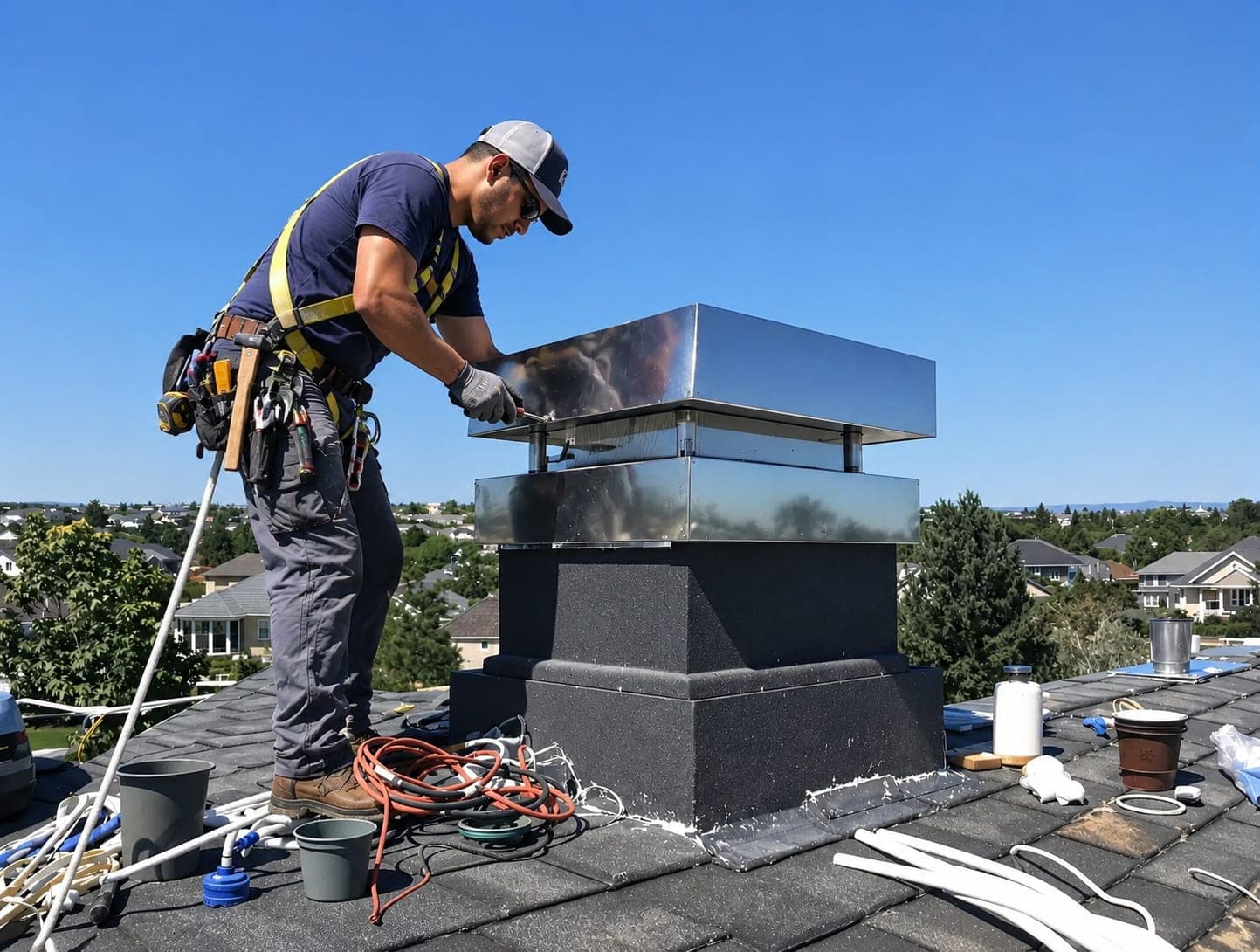
A chimney cap is a metal hood with a mesh screen that sits over the top of the flue. We start by measuring the flue tile or the crown so the cap fits snugly. Next we choose a style that suits your chimney: a single-flue cap, or a larger cap that covers the whole top. Then we fasten it so wind can't lift it off. While we're on the roof, we also check that the top of the chimney is sound enough to hold it. For cap styles, materials and the full process, see how chimney cap installation works.
What a new roof means for the chimney top in Mill Valley
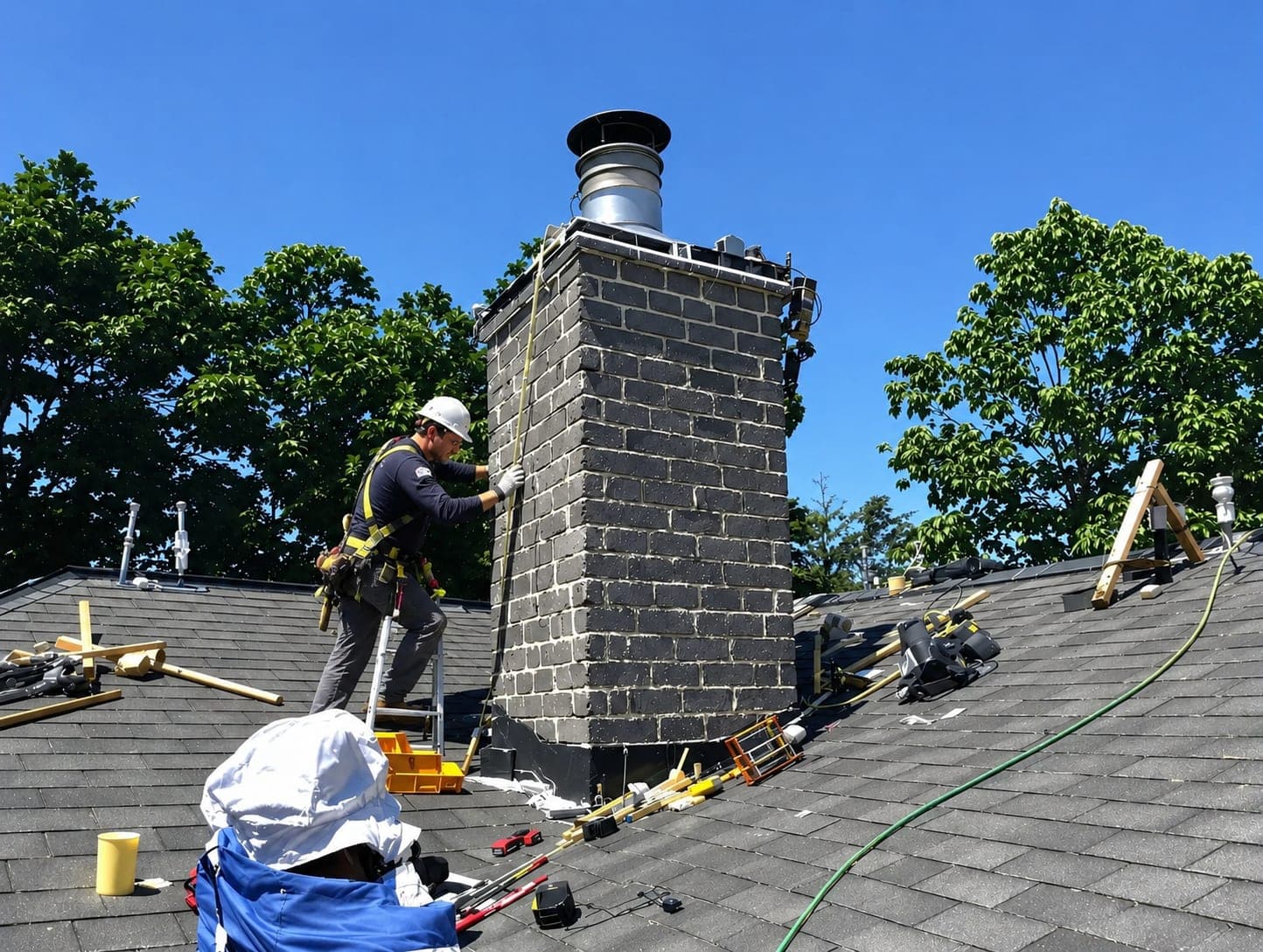
The City of Mill Valley Building Department's reroofing requirements state that, per the Mill Valley Municipal Code, spark arresters must be installed at chimney tops on wood-burning fireplaces when new roofing is installed, as a condition of final approval (source: City of Mill Valley Building Department – Reroofing Requirements, Residential & Commercial).
Who the requirement applies to
- Homes with a wood-burning fireplace, as the requirement is written
- Projects where new roofing is being installed
- Reroofs that still need final approval, because the spark arrester is a condition of that approval
This requirement changes two things about cap installation. The first is which cap you choose. Many caps are built with spark-arrester mesh around the sides, so a single fitting keeps out weather and animals and also catches embers. The second is timing. The requirement is tied to final approval, so the chimney top should be finished before the roof's final inspection. Otherwise the roof job sits waiting on the cap.
Lining up a cap with a reroof
Share the roofing schedule
Tell us when the roof work is planned and when the final inspection is expected, so we can fit the cap before then.
Measure and estimate
We measure the flue and the top of the chimney and recommend a cap with arrester mesh that fits it. Estimates are free.
Fit the cap before final approval
We install and secure the cap, so the chimney top is ready when the reroof goes up for final approval.
No wood-burning fireplace, or no reroof?
As written, the requirement covers wood-burning fireplaces when new roofing is installed. If your fireplace burns gas, or you aren't reroofing, ask the City of Mill Valley Building Department what applies to your house before you choose a cap.
When a cap is the right job, and when something else comes first
- A cap is the right call when the flue has no cap, or when you're reroofing a house with a wood-burning fireplace and need a screened cap before final approval.
- Replacing the existing cap makes more sense when the old one is rusted through, bent or loose. We replace caps as well as installing new ones.
- Removal comes first when birds or animals are already living in the flue. They need to be cleared out before a cap closes off the top.
- An inspection comes first when you're not sure the crown or flue can hold a new cap, or when you see water stains or crumbling masonry near the top. Start with a chimney inspection in Mill Valley and decide on the cap after that.
Still not sure whether you need one? Do you need a chimney cap explains what a cap does and doesn't do. It's worth reading before you book.
Booking cap installation
Request an estimate, and tell us if a reroof is underway. Estimates are free, and same-day visits are available where the schedule allows. Our chimney cap installation service goes into cap types in more detail. The Mill Valley area page lists all the chimney, fireplace and dryer vent work we do there.
Sources (1)
The sources of the Mill Valley facts on this page.
- 1City of Mill Valley Building Department - Reroofing Requirements (Residential & Commercial)