Fireplace installation in brief
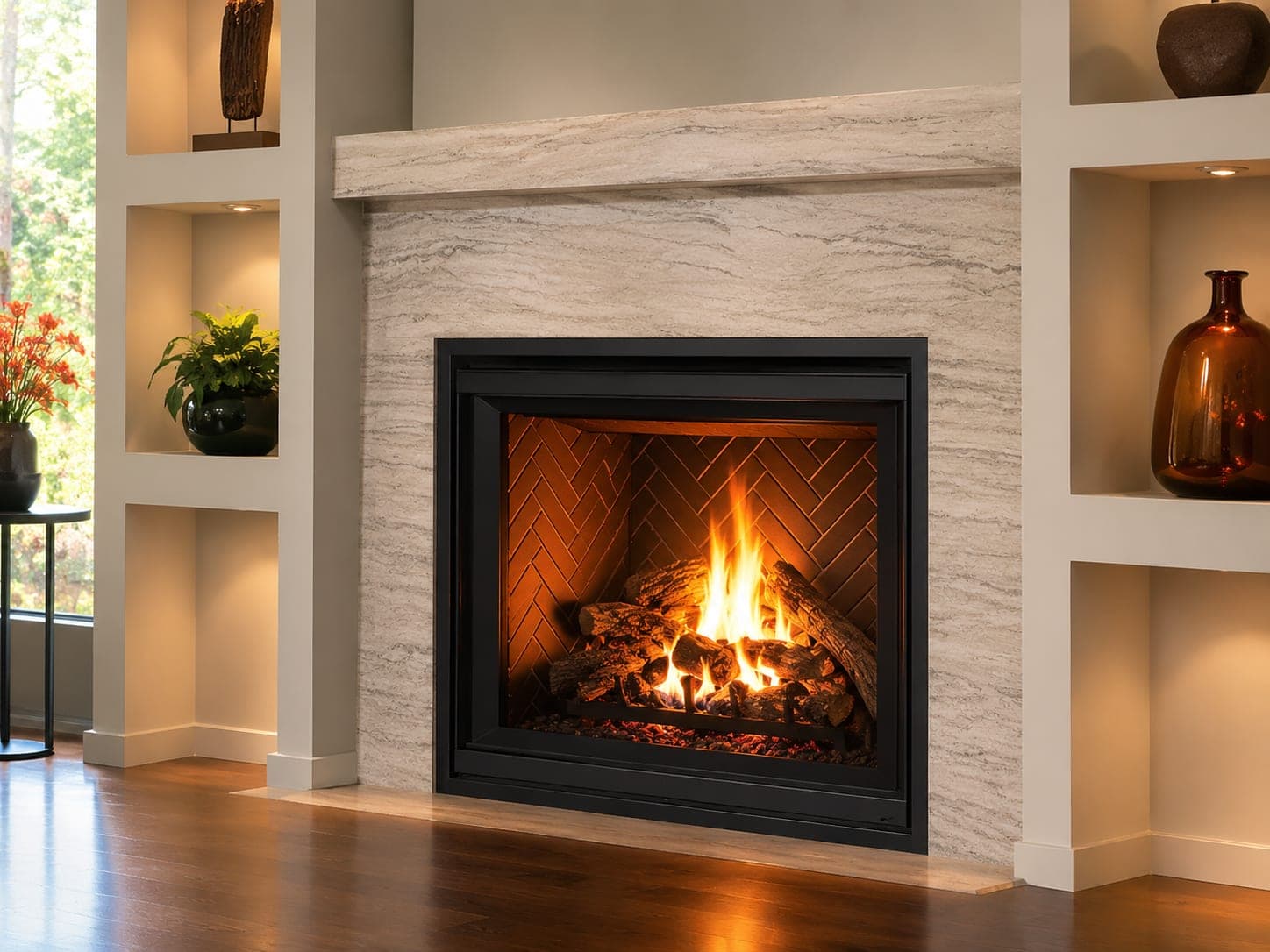
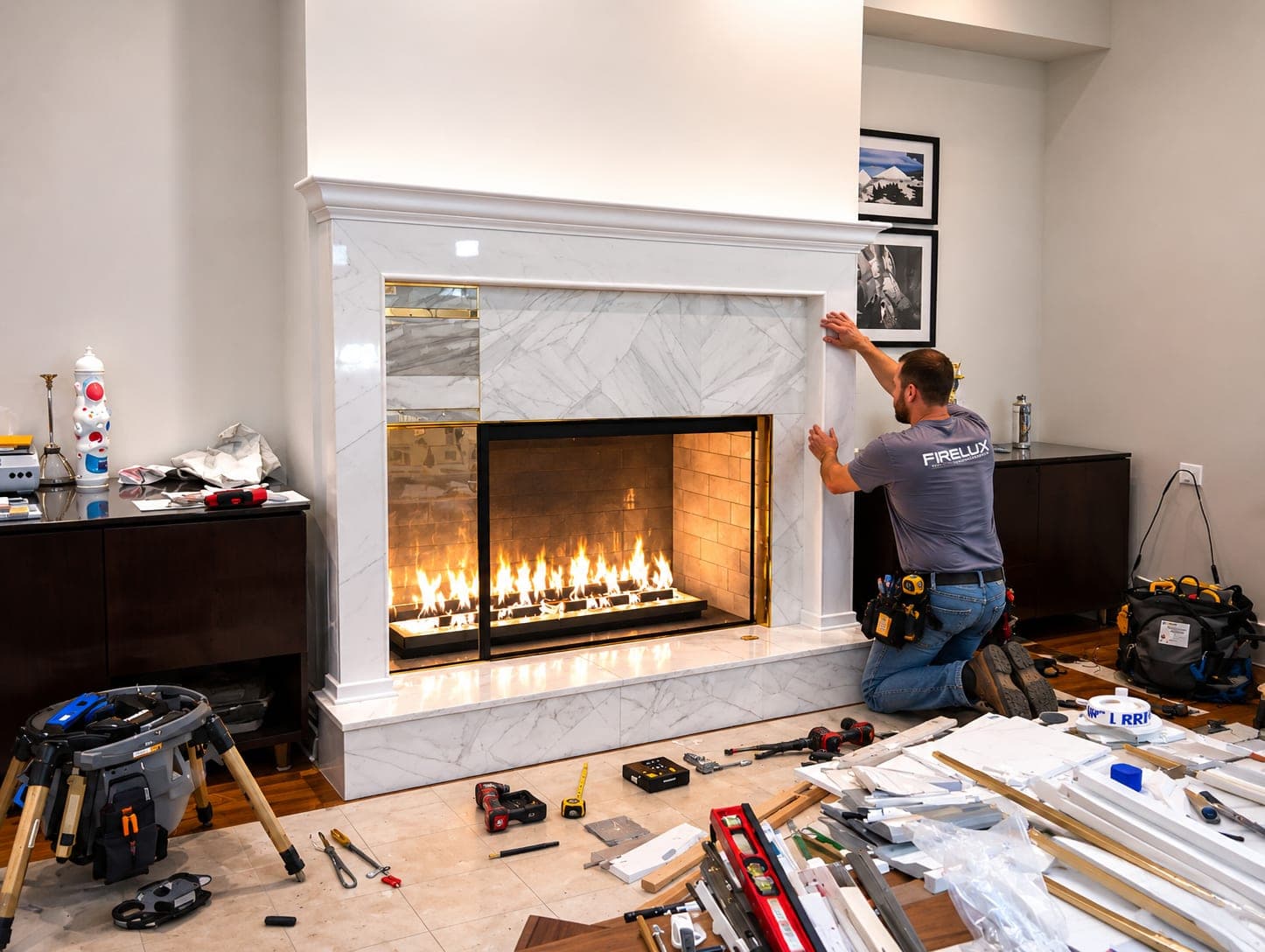
Fireplace installation means fitting a new fireplace in a home that doesn't have one, or in a new spot in the house. The work covers choosing the type of fireplace, planning the chimney or vent, setting the firebox or unit with proper clearances, and finishing the hearth and surround. For gas fireplaces we also handle the gas line. If you're still choosing a fuel, read our guide to gas vs wood burning fireplace. The steps, options and materials are covered on our fireplace installation service page.
What the town's rules mean for a new fireplace
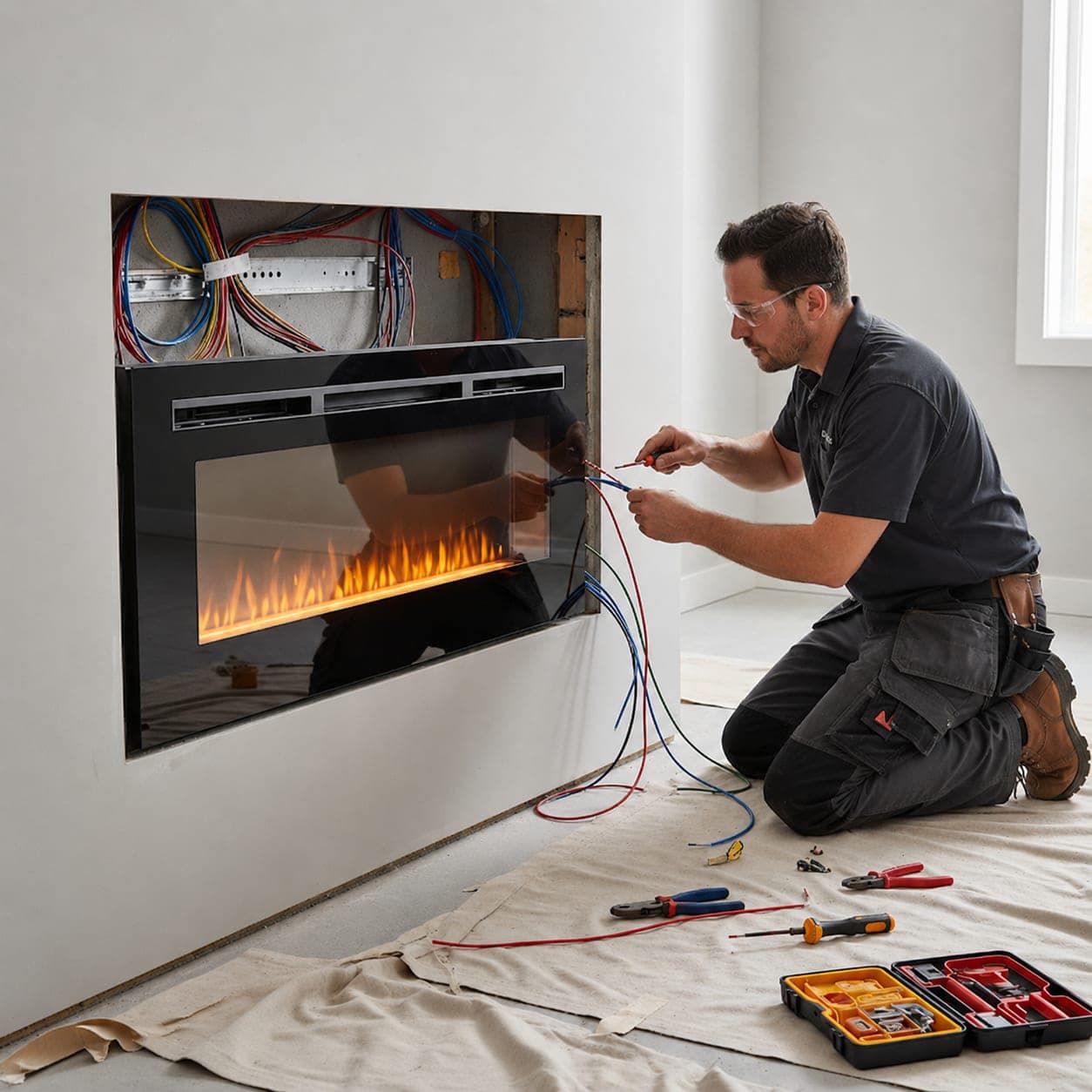
Two town documents bear directly on a new fireplace. One covers chimney height in single-family zoning. The other is the checklist the Building Department uses for permit submittals.
Chimney height in single-family zoning
Under San Anselmo's single-family zoning regulations (Section 10-3.404), a chimney up to twelve square feet may exceed the maximum building height by four feet. (Source: Town of San Anselmo - Single Family Residential (R-1) Zoning Regulations summary, through 8/28/2026.)
This rule comes from the single-family (R-1) regulations, so it is written for homes in that zone. It matters for a new fireplace because the chimney is often the tallest part of the house. A chimney has to rise far enough above the roof to draw well and to stay clear of nearby roof surfaces. On a home already built close to the height limit, the four-foot allowance can decide whether the chimney fits as planned. The allowance has a size condition: it applies to a chimney up to twelve square feet. The chimney's footprint and its height should be settled together before the plans are drawn.
What the permit checklist asks about fireplaces
The Town of San Anselmo Building Department's permit submittal checklist asks whether plans include details for fireplaces and a spark arrestor at new or existing chimneys. (Source: Town of San Anselmo Building Department - Permit Submittal Checklist.)
For an installation, the fireplace and the top of its chimney are both part of what the plans should show. The checklist names a spark arrestor, the screened cap that keeps embers from leaving the flue. Choose its type and how it mounts during planning, not after the chimney is built. We install spark arrestors along with the fireplace, so that detail can be set from the start.
Details worth settling before plans are drawn
- The type of fireplace: wood-burning or gas, built-in firebox or factory-built unit
- Where the chimney or vent runs and how high it rises above the roof
- The chimney's footprint, measured against the twelve-square-foot figure in the zoning rule
- The spark arrestor at the top of the chimney
- Hearth, surround and clearance details around the opening
- For gas units, the gas line route to the fireplace
When a new installation is the right job
Installation fits when you want a fireplace where there isn't one, or a different kind of fireplace in a new location. If you already have a fireplace that works but burns poorly or leaks heat, an insert set into the existing opening may be the simpler project. If the fireplace you have is cracked, smoky or out of use, repairs or a restoration may make more sense than starting over. We do all of this work. At the estimate we'll tell you plainly which job fits your home.
Getting an estimate
Estimates are free. Gas fireplace and gas appliance work is offered, and we work on all major brands. To compare options before we visit, read how fireplace installation works. For everything else we do in town, visit our San Anselmo area page. When you're ready, call or request an estimate.
Sources (1)
The sources of the San Anselmo facts on this page.
- 1Town of San Anselmo - Single Family Residential (R-1) Zoning Regulations summary (through 8/28/2026); Town of San Anselmo Building Department - Permit Submittal Checklist; Town of San Anselmo Planning - R-1 Zoning Regulations Handout