Chimney services Pleasant Hill homeowners can book
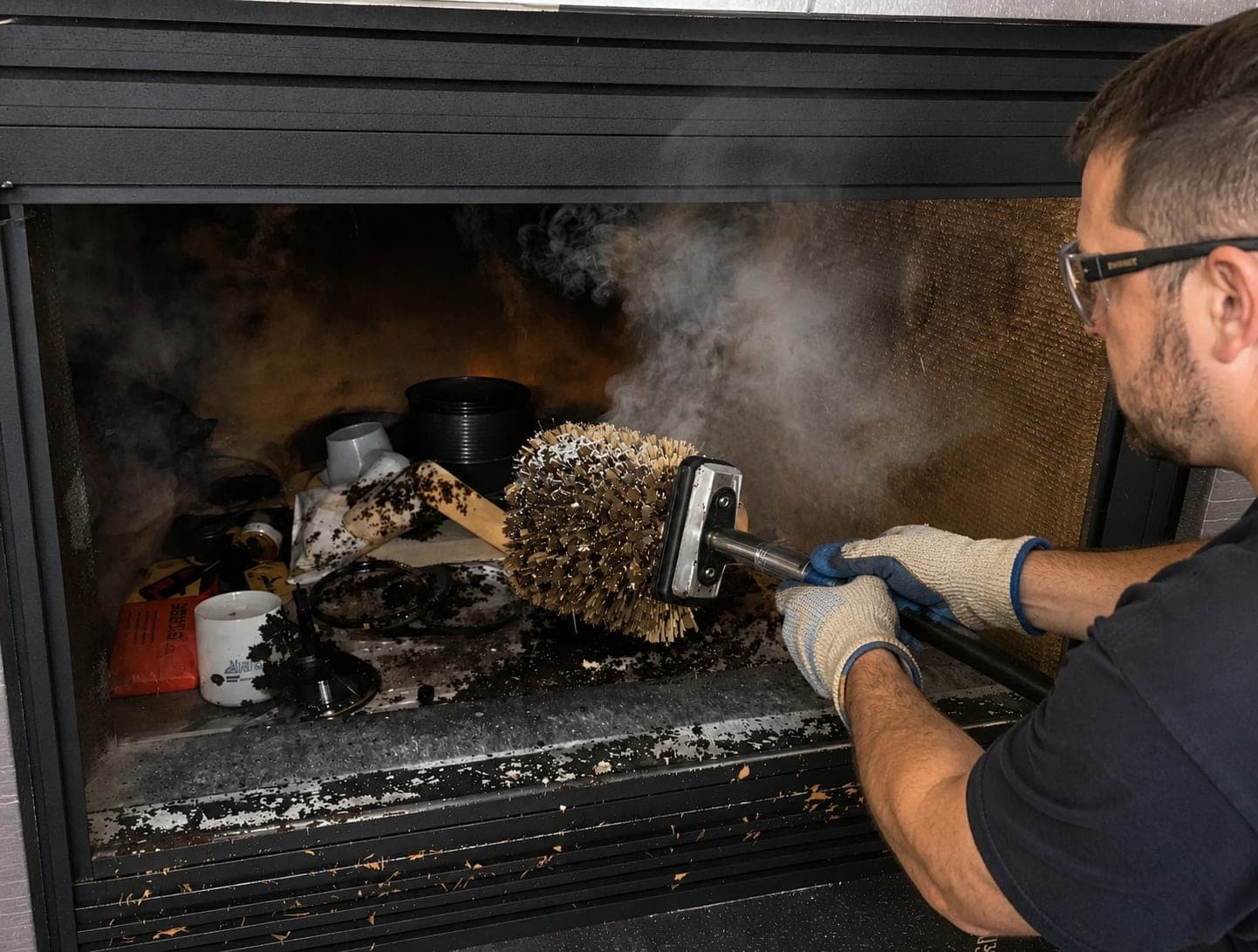
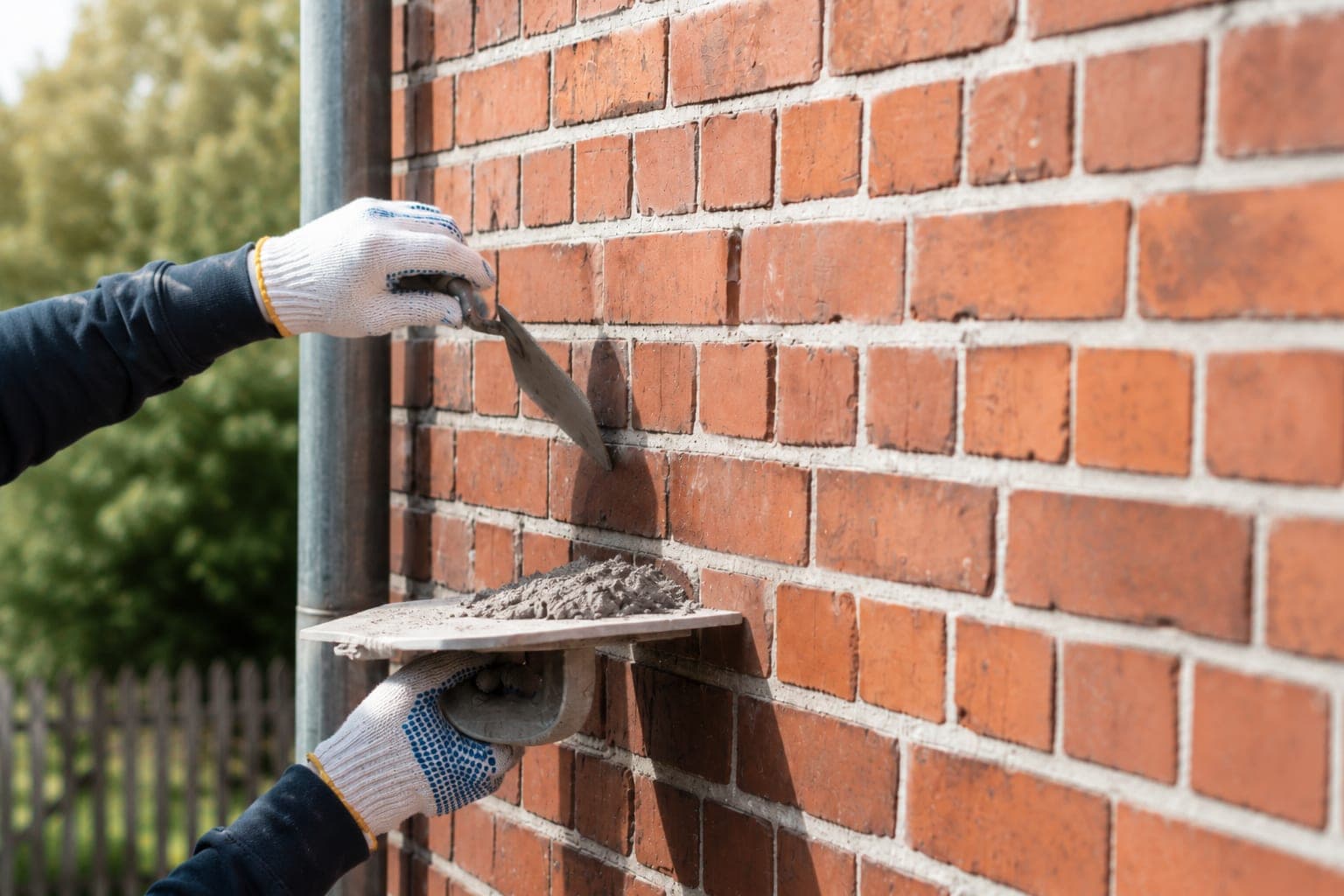
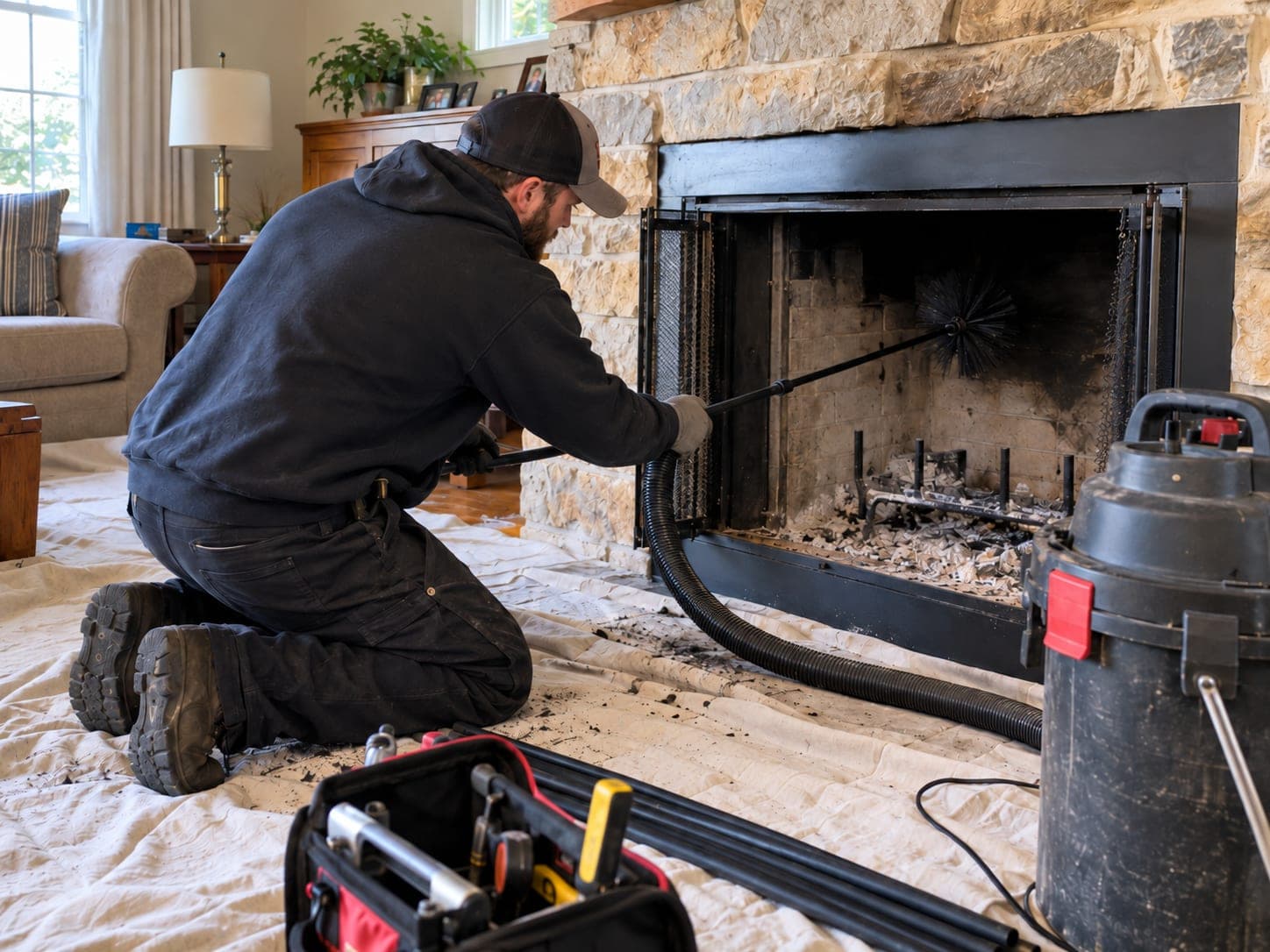
Most chimney visits start with cleaning or a look inside the flue. We sweep chimneys, clean flues, remove creosote, and clear blockages, odors, animals and nests. A chimney inspection can be a standard check, a camera inspection of the liner, a review for a home sale, or a check after a storm. When an inspection turns up damage, our chimney repair service covers leaks, flashing, crowns, tuckpointing, liners, dampers, chase covers and full rebuilds.
Fireplace work covers wood-burning fireplaces, inserts and wood stoves. That includes cleaning, firebox and smoke chamber repair, draft problems, refractory panels, and glass and door repair. Gas fireplace work is offered too: service and maintenance, repair, gas log and gas line installation, and conversions. We also install new fireplaces, inserts and fireplace doors, and replace worn-out prefab units.
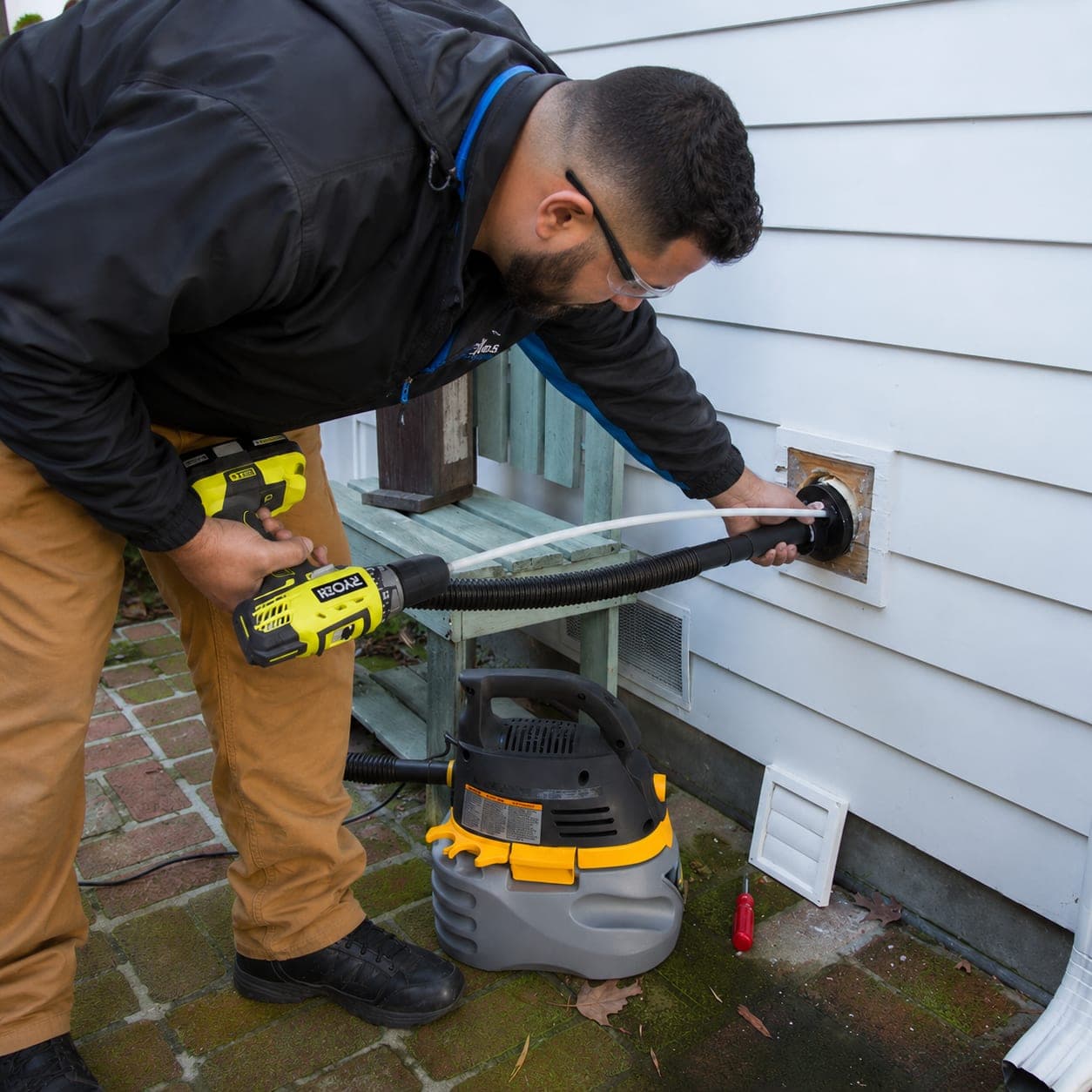
Dryer vents are the third part of the work. We clean vents, remove lint and blockages, clean vents that exit through the roof, and test airflow so you know whether the dryer can actually exhaust. When a vent run is too long, crushed or poorly placed, we repair it, replace it or reroute it, and we replace broken vent covers.
Not sure which visit to book?
Homeowners usually know the symptom, not the service name. Here is how common problems match up with what we do:
- Smoke coming back into the room or a fire that won't draw well: start with a cleaning and a draft check, since buildup or a blockage is a common cause.
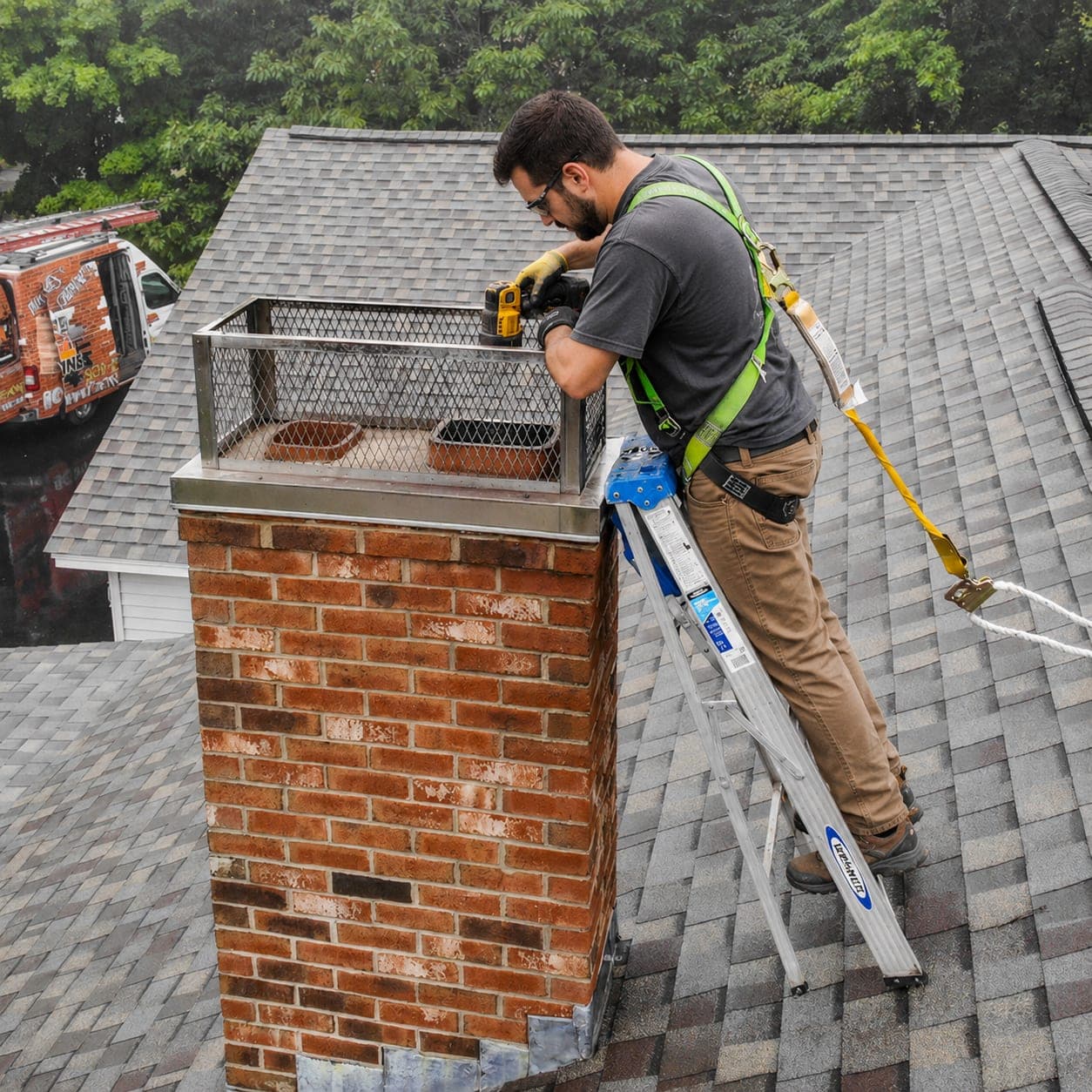
- Water stains near the chimney or a damp smell after rain: the steps in a chimney inspection show whether flashing, the crown or the cap is letting water in.
- Birds, squirrels or debris in the flue: we remove the nest and the blockage, then install a chimney cap or animal screen to keep them out.
- Cracked mortar, loose bricks or a crumbling crown: see how chimney repair works for masonry, crown and tuckpointing jobs.
- Clothes taking two cycles to dry or a laundry room that gets very hot: book a dryer vent cleaning with airflow testing.
If none of these fits, describe what you're seeing, hearing or smelling when you get in touch. That is usually enough to decide whether a cleaning, an inspection or a repair visit makes sense first.