Chimney services Burlingame homes can book
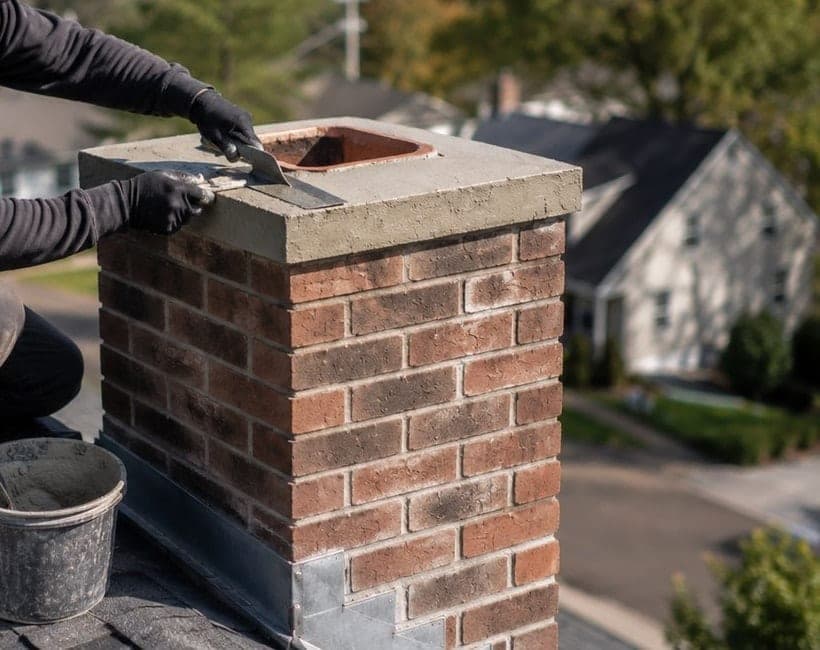
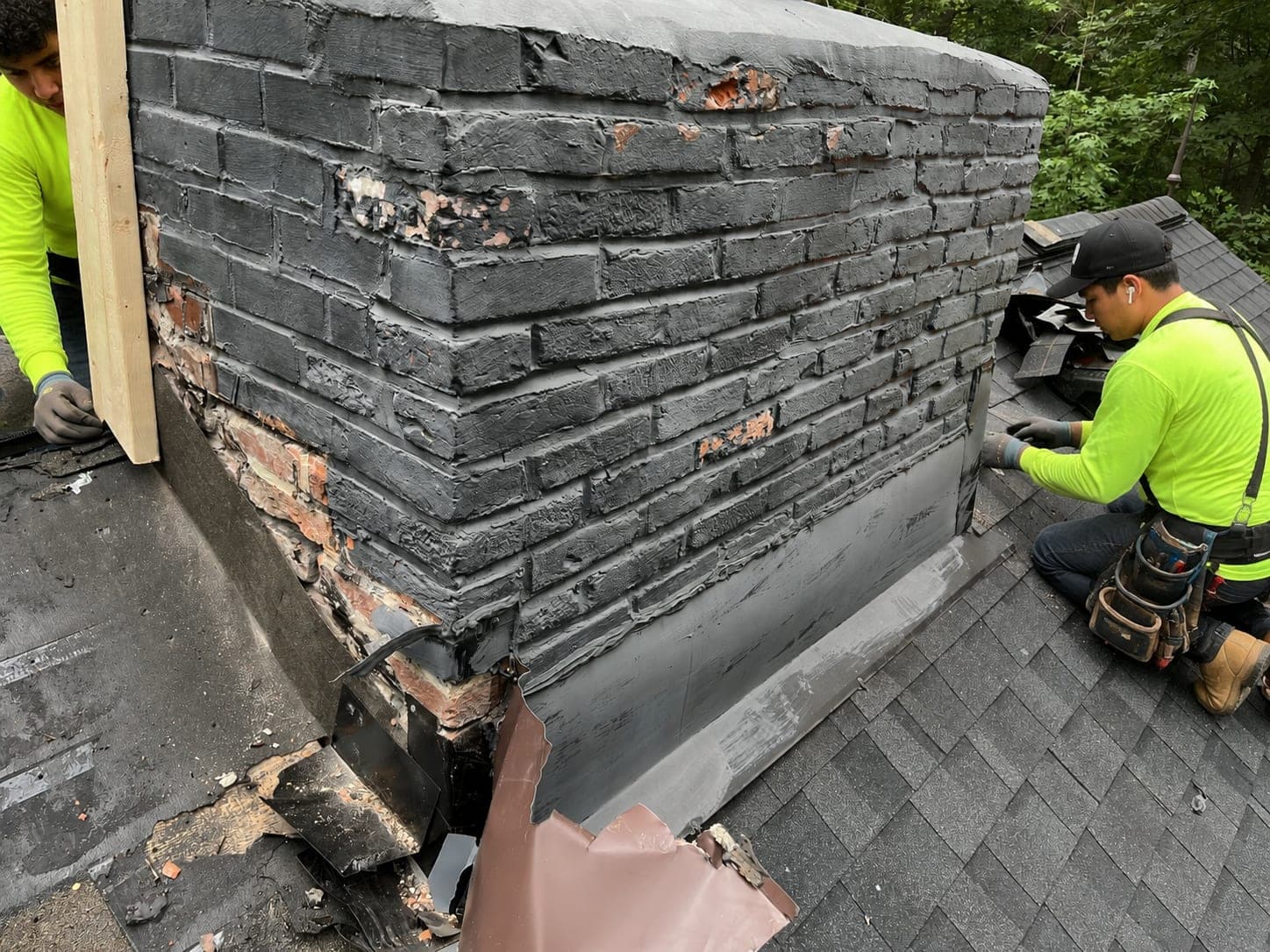
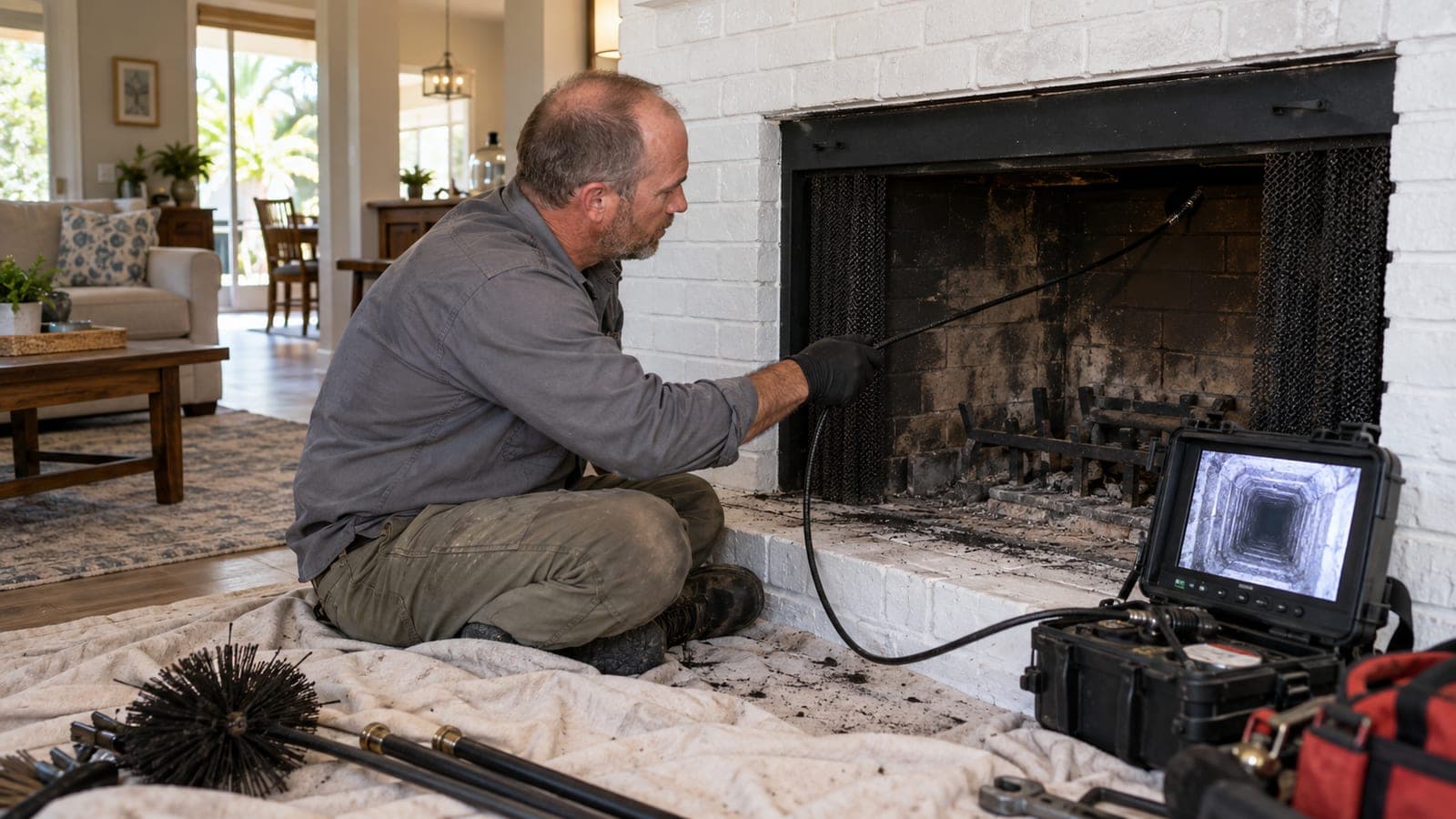
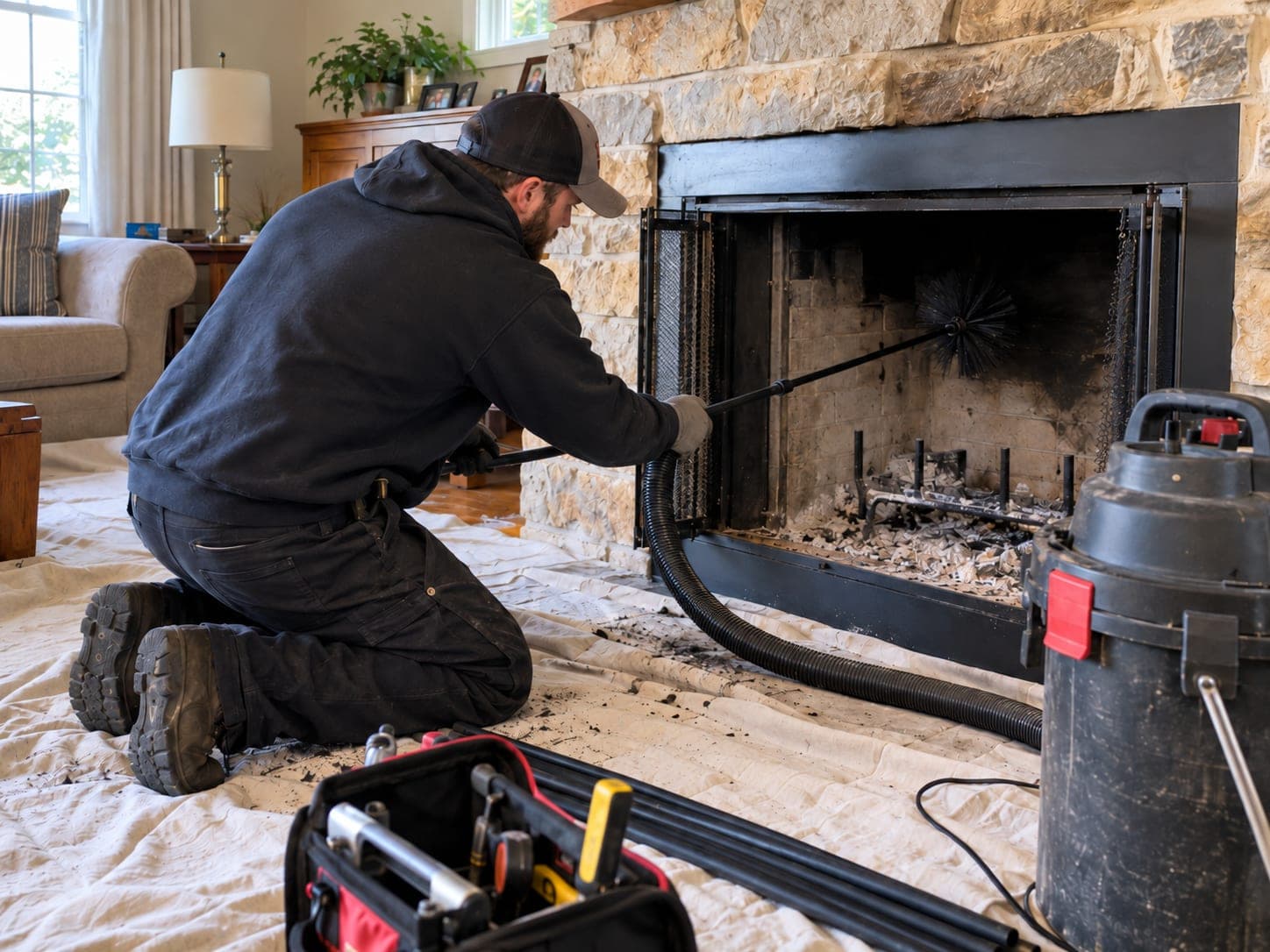
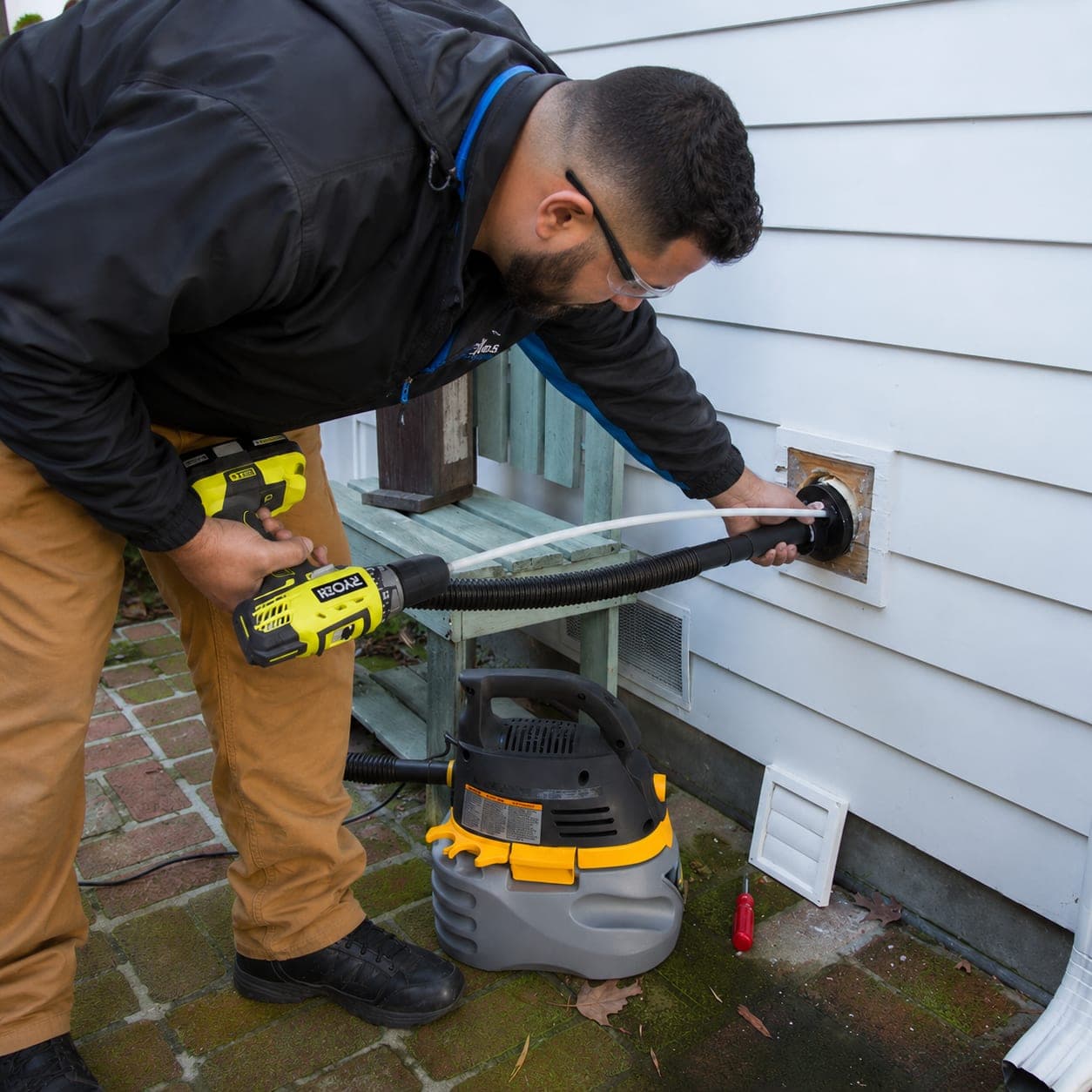
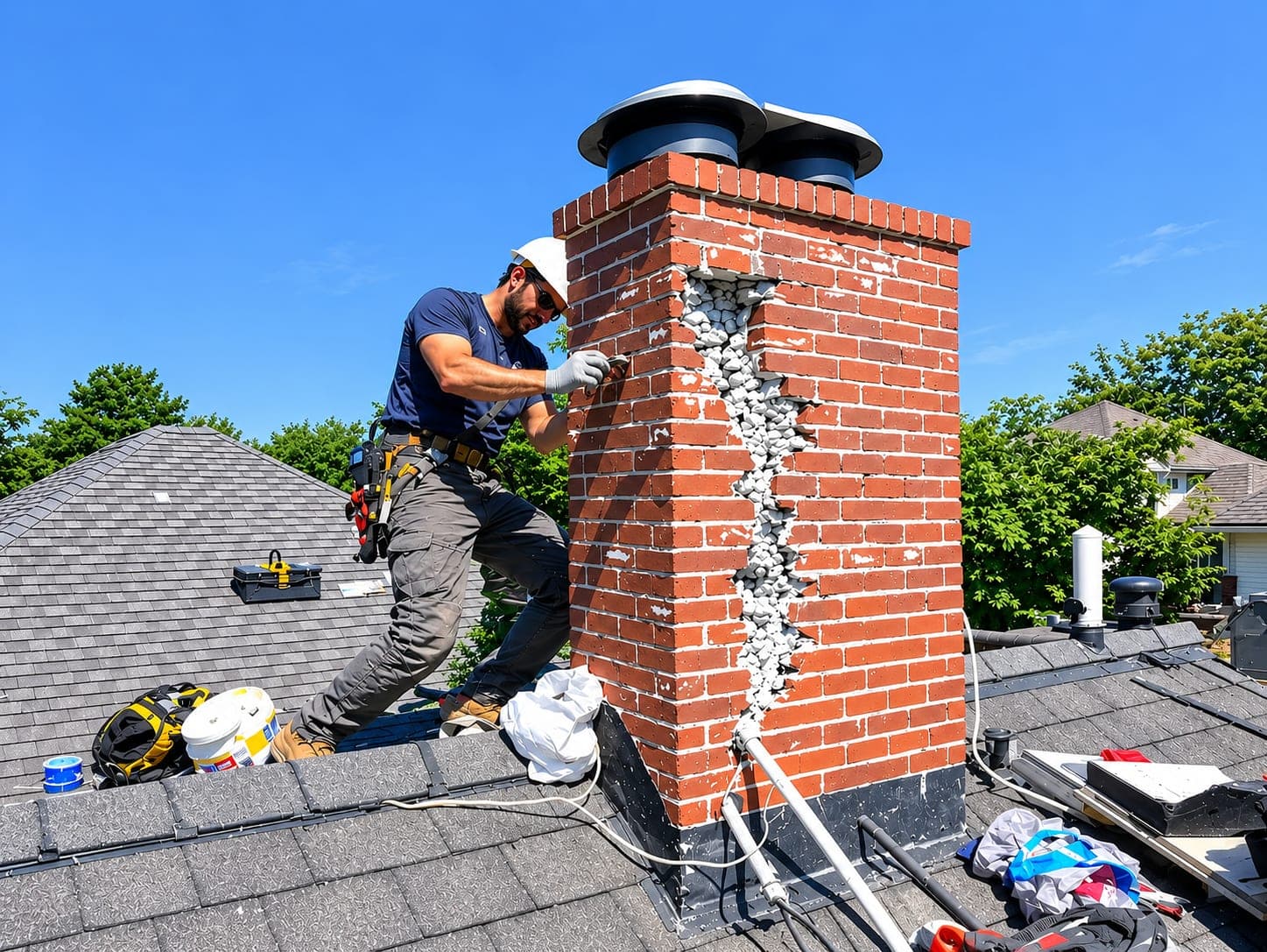
Chimney work covers sweeping, creosote removal and clearing blockages or nests. It also includes a chimney inspection that checks the flue, crown and flashing, with a camera when the flue needs a closer look. When something is cracked, leaking or loose, the crew handles masonry, crown and leak fixes through chimney repair. Fireplace work covers wood-burning, gas and electric units, inserts and wood stoves. Dryer vents are cleaned, tested for airflow and repaired or rerouted when needed.
What the fire department's wildland checklist means for your chimney
Central County Fire Department reports that the State Fire Marshal's 2025 Local Responsibility Area maps identified fire hazard severity zones within Burlingame. Its self-survey checklist says to trim tree limbs back 10 feet from chimneys and stove pipes. (Source: Central County Fire Department, Wildland Urban Interface (WUI) page.)
Fire hazard severity zones
These maps mark areas the state rates for wildfire hazard. The finding covers zones within Burlingame, not the whole city, so check your own address against the maps on the department's WUI page. If your home is in a zone, anything that lets sparks leave the chimney deserves attention. That includes a missing cap, a torn screen, or heavy creosote that could ignite inside the flue.
The 10-foot clearance from chimneys and stove pipes
The checklist applies to both masonry chimneys and the metal pipes on wood stoves. Branches hanging over a chimney top can catch embers. They also drop leaves and twigs into an uncapped flue. Trimming the trees is yard work, not chimney work. Once the limbs are back, a sweep and inspection can confirm the top of the chimney is clear and in good shape.
Before you light the first fire of the season
- Look up at the chimney and stove pipe: no branches within 10 feet, per the department's checklist
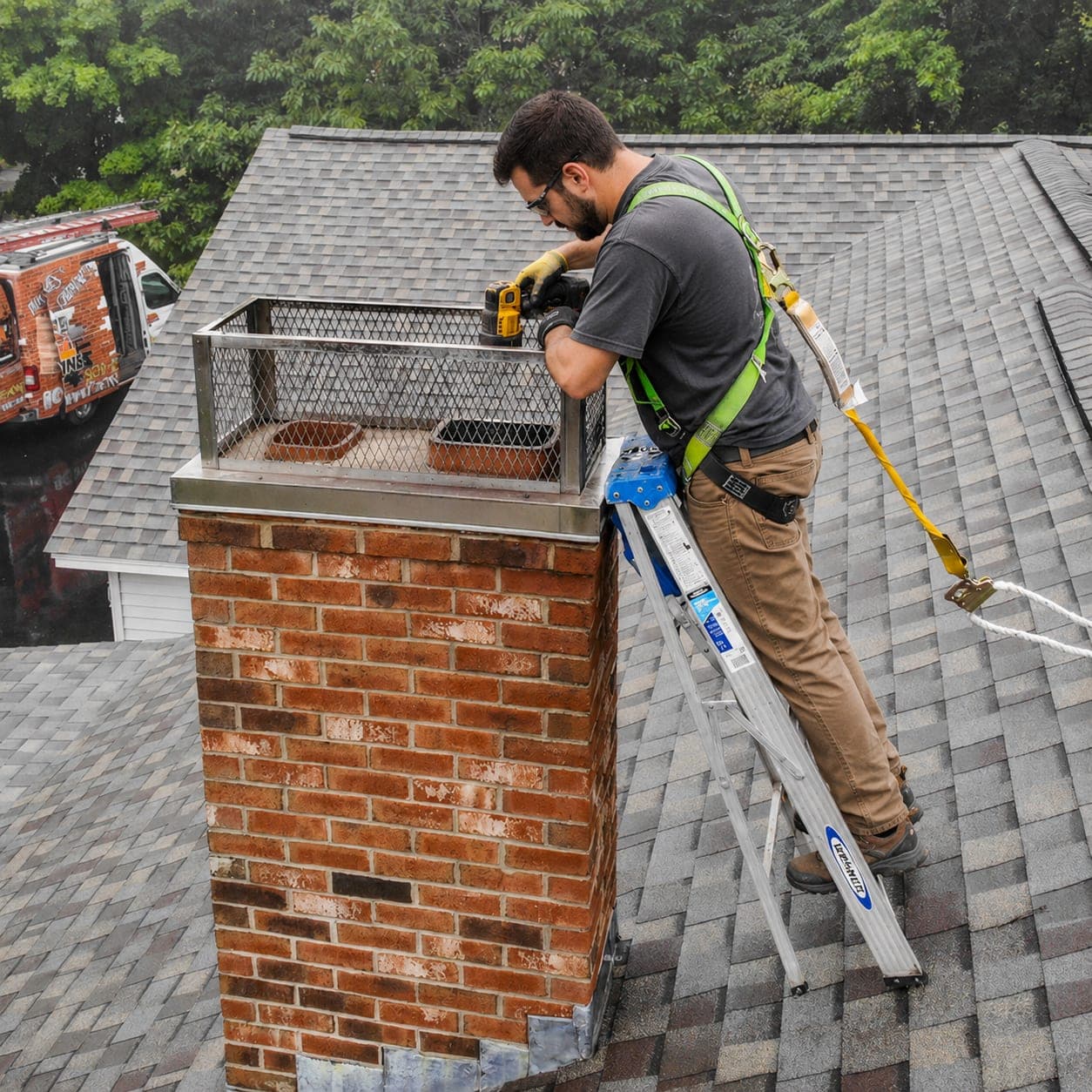
- Check that the cap and its mesh screen are in place and not torn or rusted through
- Look for leaves, nesting material or debris at the top of the flue
- Have the flue swept if creosote has built up since the last cleaning
- Open the damper and make sure it moves freely before lighting
If the screen is damaged or there is no cap at all, installing a chimney cap with a spark arrestor screen helps hold embers in the flue. The same cap also keeps debris and animals out.
Sources (1)
Facts and figures on this page come from these references.
- 1Central County Fire Department - Wildland Urban Interface (WUI) page